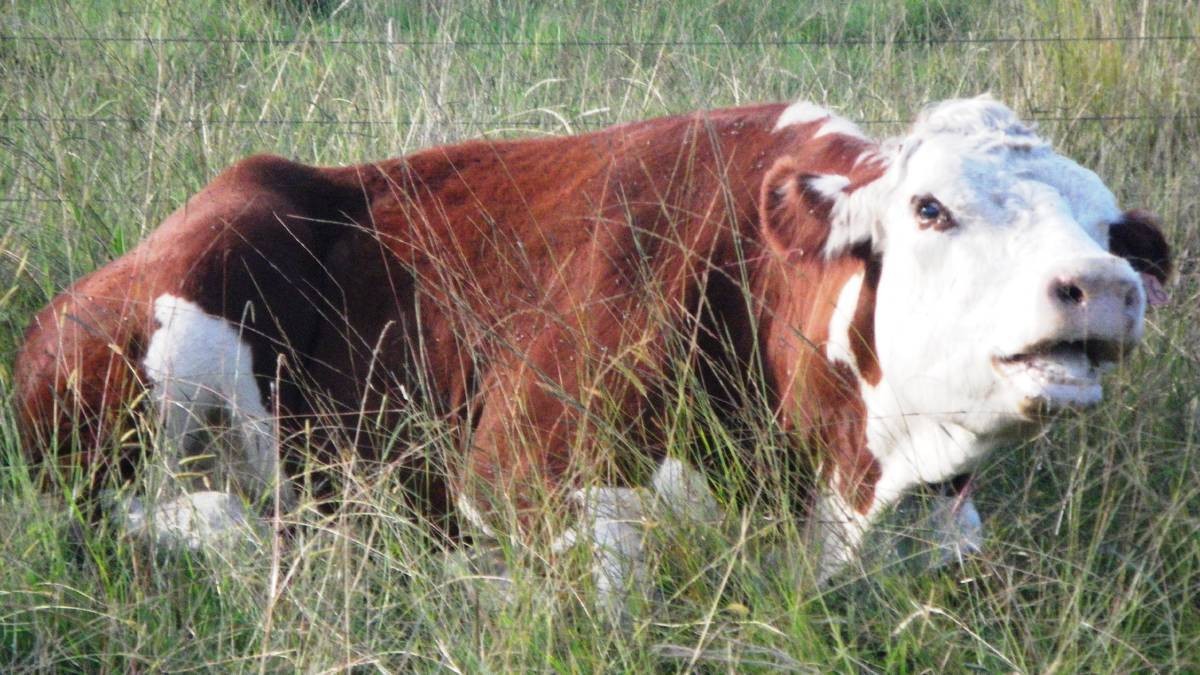
On the NSW North Coast, cattle are showing signs of Bovine Ephemeral Fever, popularly known as three-day sickness.
Laboratory testing has verified the illness in animals over the northern rivers and far north coast. The disease is predicted to spread south as the season develops.
Three-day sickness is an insect-borne virus that produces a high temperature and muscle and joint pain in cattle. On the North Coast, it is typically found in cattle between the ages of 6 months and 2 years, but adult cattle from outside the region can also be affected.
Some cattle, particularly bulls and heavier-conditioned calves, may collapse and require several days to recover. Heavier cattle are more likely to develop secondary issues as a result of being down. Cows that are pregnant may miscarry, and bulls may become sterile for up to six months. Lactating cows' milk production might reduce dramatically.
The virus appears on the North Coast throughout the summer when the population of biting insects that carry it grows. Following the recent rainfall in the region, the occurrence of the disease is likely to increase, creating favourable conditions for bug populations to grow rapidly.
Producers are encouraged to seek veterinarian guidance, and medicine is particularly successful in lowering fever and relieving muscle and joint pain. With minimal weight loss, recovery is usually faster. There are various additional disorders that might mimic three-day sickness and require different treatment, therefore veterinarian diagnosis is critical.
A paddock with plenty of shade, water, and feed, as well as a lack of steep slopes, is good for cow recovery. To assist prevent additional issues, sick cattle should be given shade, water, and feed, and turned or elevated twice daily.
Newly recovered cattle should not be transported to abattoirs for many weeks to allow the body to heal and avoid downgrades from any remaining muscular damage. Any withholding periods must be observed if therapies have been administered.
A vaccination is available, and its usage is suggested for bulls and any cattle imported from locations where the virus does not ordinarily occur. In places where the virus is already active, the vaccine is unlikely to provide protection; but, in more southern areas, the vaccine may still provide protection before the virus arrives.