I couldn't make it to Gold Coast for BeefEx 2026 last week, but following the updates from afar and reading through the insights that were
unpacked during the sessions, one big question keeps rattling around in my head: Are we actually ready to step back, look in the
mirror, and learn from how other industries do things?
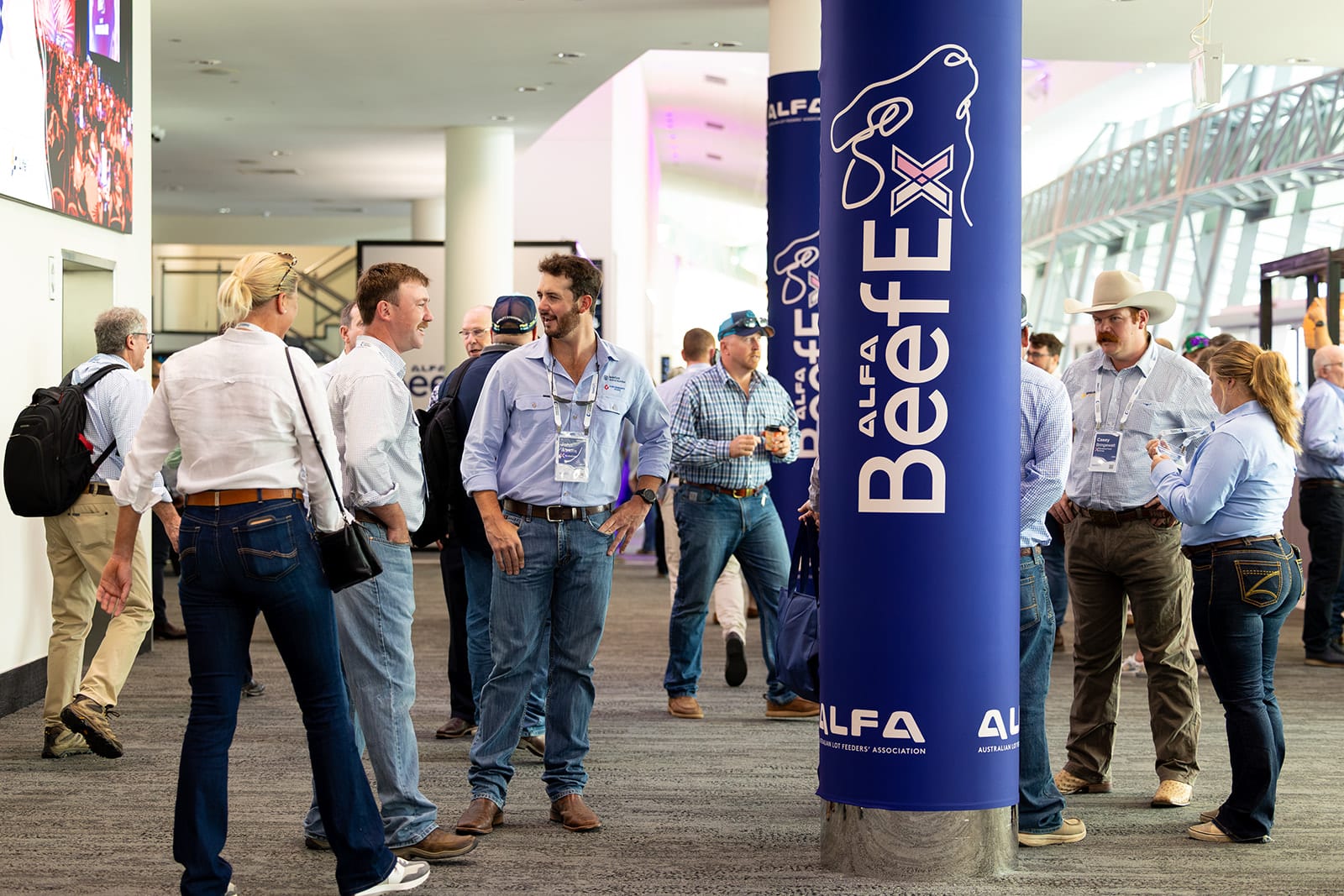
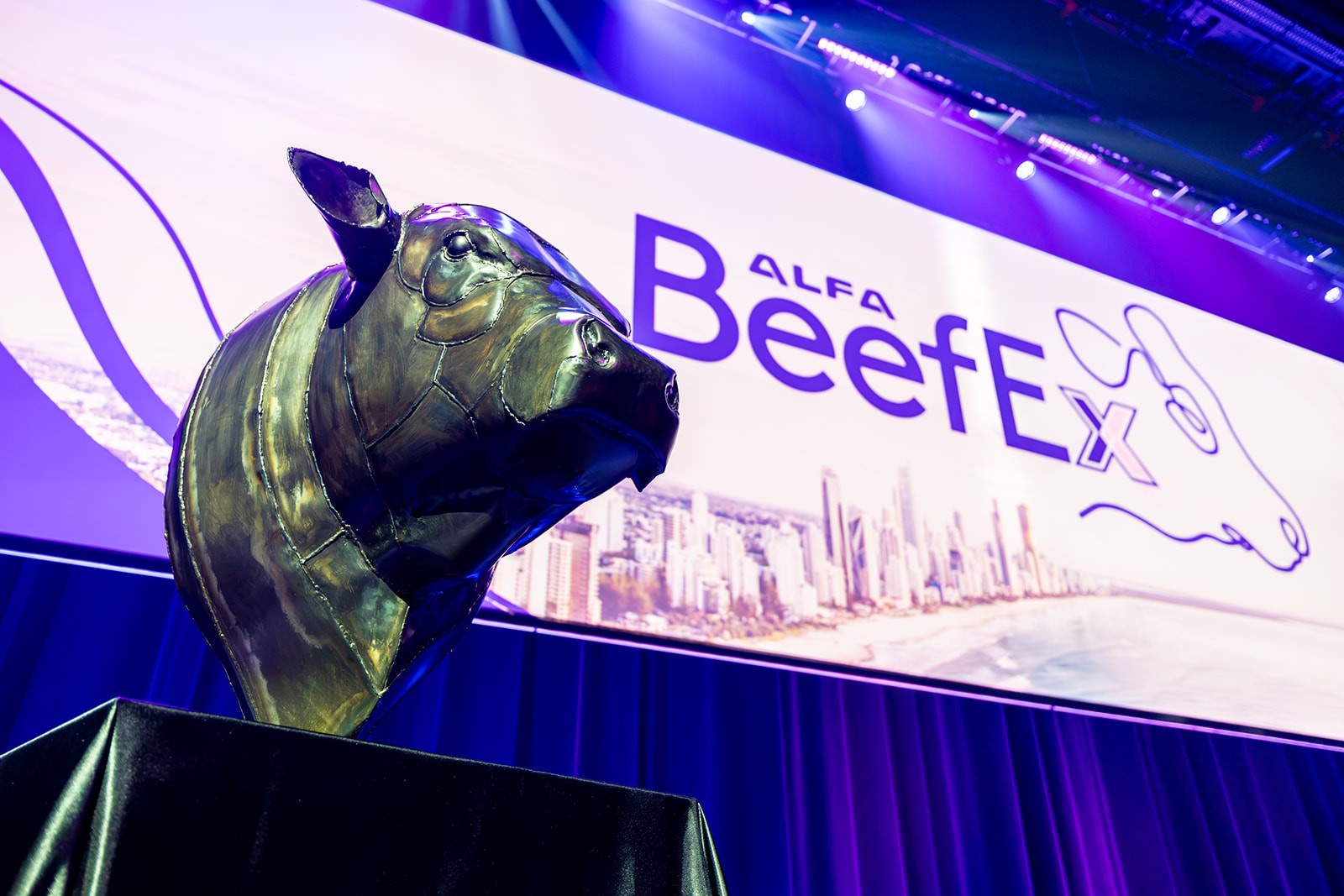
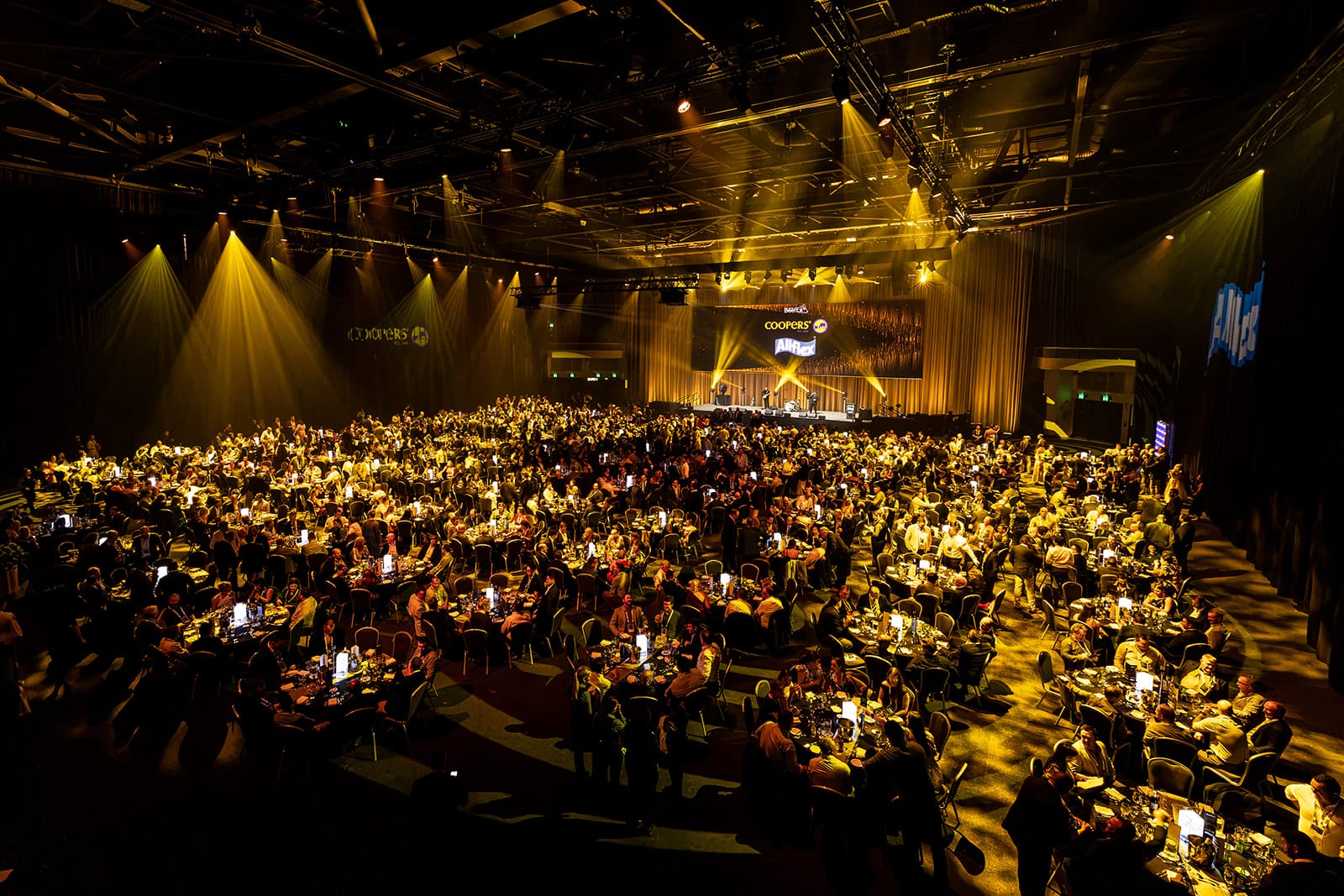
Even from a distance, you could see the sheer scale of the event, especially by their gallery photos on the website - a record-breaking
crowd of over 1,200 delegates in the room. But the real takeaways weren't just about the record numbers and sampling of food; they were
about where our industry goes next. The overarching message seemed loud and clear: the future isn't going to be about doing the exact
same things a little bit faster. It’s about being brave enough to embrace genuine change, whether that’s adopting tech that makes us a bit
uncomfortable, or completely shifting how we communicate with the public and our current perception.
Here are the key themes that stood out to me from the coverage, and why we need to pull our heads up from the day-to-day grind to see the
bigger picture.
1. Technology isn't replacing us, it’s amplifying us
During the "Feedlot of 2040" session, futurist Ander Sörman-Nilsson invited lotfeeders to look past today's operational challenges and
imagine a future shaped by AI, renewable energy, and radical transparency.
It’s easy to hear AI and get defensive, assuming machines are being built to replace human operators. But the real discussion was about how
technology acts as an enabler. Sam Platts from Bovine Dynamics spoke about "model data fusion" combining inputs from cameras, feed systems,
and weather data to generate real-time recommendations in minutes rather than hours.
Scott Braund over at Mort & Co shared how they've integrated automated feed calls into their operations, describing the system as a
"digital consistency coach" that cuts down cognitive load across 25,000 cattle daily. Yet Scott made a crucial point: sensors fail and go
out of calibration. We still need top-tier stockmanship, local experience, and practical knowledge on the ground.
The takeaway? Tech won't replace good people; it simply gives them better tools to do their jobs.
2. We need to take a page from the egg industry’s playbook
Perhaps the most thought-provoking message came from Rowan McMonnies, Managing Director of Australian Eggs. He recalled driving past a
feedlot on the Gunnedah side of Tamworth, shielded behind a massive mound of dirt and asking a ironic question: "Are you
comfortable in your own skin?"
Rowan shared how a decade ago, the egg industry was trapped in a "rolling maul of disaster" over public conjecture and caged eggs. Fighting
back aggressively only made things worse. So, they hit the reset button. They began running an unedited, annual national survey to measure
community sentiment, directly feeding public feedback into their research and engagement cycles. Today, public trust in their industry sits
at nearly 70%.
His advice for our feedlot operators, especially when evaluating high-capital investments like covered housing offers a clear roadmap:
-
Take risks and embrace discomfort: Start engage authentically with the middle 80% of the Australian public rather than
worrying about extreme fringe groups.
-
Get on the front foot: Frame the narrative early around shared values like nutrition, sustainability, and animal welfare
before someone else frames it for you.
- Be relentless: Winning long-term trust requires years of consistent, transparent proof.
If we want to safeguard the massive capital being invested in feedlot infrastructure, we have to start managing reputational risk as
proactively as we manage financial risk.
3. Prevention beats cure every single time
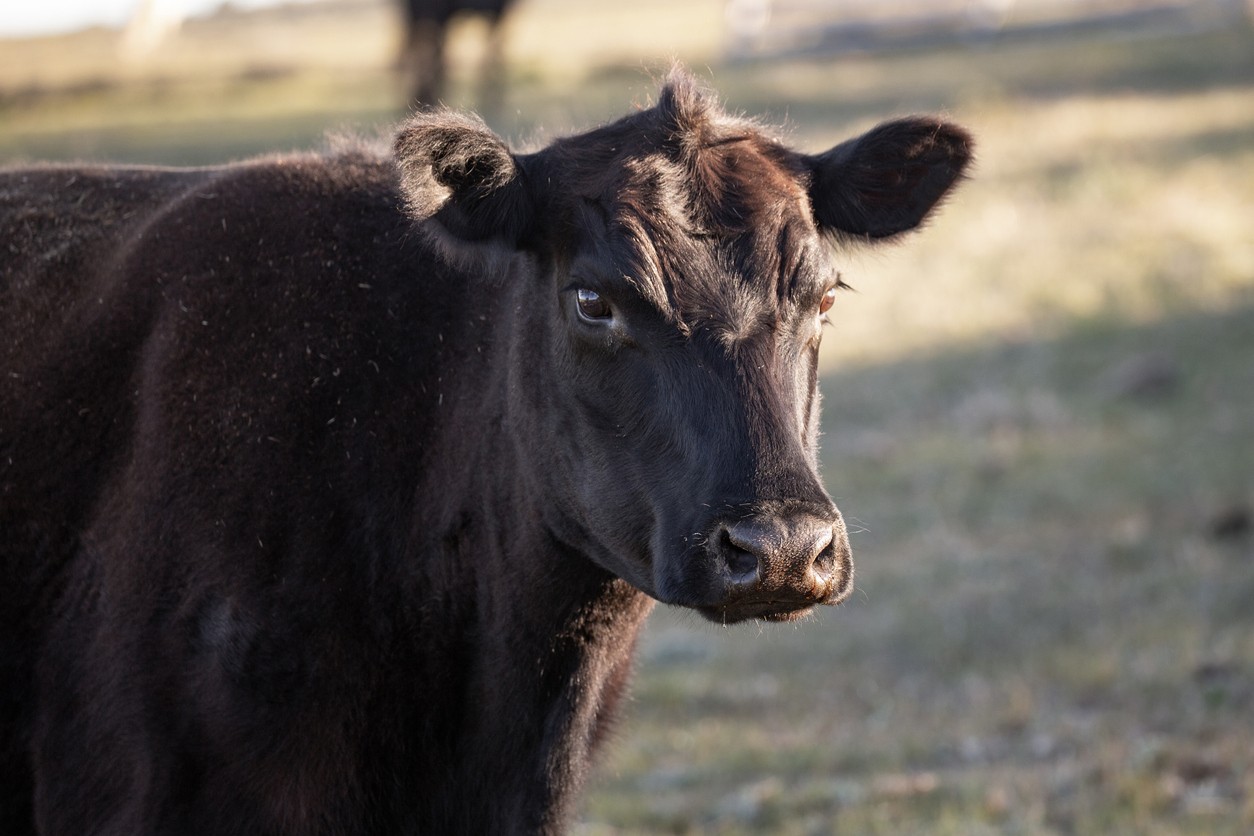
The update on cattle health trends was equally compelling. MLA’s Dr. Tony Batterham pointed out a remarkable shift over the last decade:
while numbers on feed have grown by 50%, respiratory disease (BRD) mortalities have dropped by half.
This progress comes down to widespread adoption of pre-entry vaccination programs, pioneered by operators like JBS and integrated into yards
like Gundamain Feedlot.
As Caitlin Herbert from Gundamain put it during her panel session: "The cattle that make you money are the ones that you don’t have to
touch."
Shifting the focus toward preparing an animal's immune system prior to stress events protects daily gains, reduces workload for pen riders,
and lowers treatment needs, demonstrating real antimicrobial stewardship in action.
'%3E%3Crect x='0' y='0' width='1024' height='680' fill='%232f1e08'/%3E%3Cg transform='scale(4.00) translate(0.5 0.5)'%3E%3Cpolygon fill='%23a4731c' fill-opacity='0.50' points='178,14 245,185 115,63'/%3E%3Cg transform='translate(76.27 94.66) rotate(186.71) scale(52.77 12.88)'%3E%3Cellipse fill='%23a06d26' fill-opacity='0.50' cx='0' cy='0' rx='1' ry='1'/%3E%3C/g%3E%3Cellipse fill='%23000000' fill-opacity='0.50' cx='47' cy='169' rx='136' ry='43'/%3E%3Cg transform='translate(85.97 12.32) rotate(263.38) scale(29.52 255.00)'%3E%3Cellipse fill='%23000000' fill-opacity='0.50' cx='0' cy='0' rx='1' ry='1'/%3E%3C/g%3E%3Cg transform='translate(241.80 51.47) rotate(338.80) scale(30.93 77.19)'%3E%3Cellipse fill='%23000000' fill-opacity='0.50' cx='0' cy='0' rx='1' ry='1'/%3E%3C/g%3E%3Cellipse fill='%236c4e14' fill-opacity='0.50' cx='202' cy='127' rx='44' ry='32'/%3E%3Cg transform='translate(46.60 59.60) rotate(259.20) scale(13.60 6.69)'%3E%3Cellipse fill='%23d79700' fill-opacity='0.50' cx='0' cy='0' rx='1' ry='1'/%3E%3C/g%3E%3Cellipse fill='%23000000' fill-opacity='0.50' cx='0' cy='136' rx='29' ry='169'/%3E%3Cpolygon fill='%23603f09' fill-opacity='0.50' points='136,21 50,142 211,12'/%3E%3Cpolygon fill='%23c08e24' fill-opacity='0.50' points='271.00,160.69,248.79,136.83,271.00,181.54,236.73,143.36'/%3E%3C/g%3E%3C/g%3E%3C/svg%3E) Source:
BeefEx 2026
Source:
BeefEx 2026
'%3E%3Crect x='0' y='0' width='1024' height='680' fill='%23828081'/%3E%3Cg transform='scale(4.00) translate(0.5 0.5)'%3E%3Cellipse fill='%231c202e' fill-opacity='0.50' cx='113' cy='169' rx='91' ry='91'/%3E%3Cellipse fill='%23f5ead5' fill-opacity='0.50' cx='91' cy='40' rx='57' ry='57'/%3E%3Cg transform='translate(227.17 35.72) rotate(-94.65) scale(63.52 35.46)'%3E%3Cellipse fill='%23ffffff' fill-opacity='0.50' cx='0' cy='0' rx='1' ry='1'/%3E%3C/g%3E%3Cpolygon fill='%23000b24' fill-opacity='0.50' points='122,101 238,156 271,91'/%3E%3Cg transform='translate(0.00 14.71) rotate(150.26) scale(26.06 89.52)'%3E%3Cellipse fill='%23fffae2' fill-opacity='0.50' cx='0' cy='0' rx='1' ry='1'/%3E%3C/g%3E%3Cellipse fill='%230e186d' fill-opacity='0.50' cx='168' cy='67' rx='23' ry='91'/%3E%3Cg transform='translate(48.00 113.68) rotate(151.07) scale(18.88 21.93)'%3E%3Cellipse fill='%23000000' fill-opacity='0.50' cx='0' cy='0' rx='1' ry='1'/%3E%3C/g%3E%3Crect fill='%23ffffff' fill-opacity='0.50' x='114' y='9' width='32' height='53'/%3E%3Cg transform='translate(89 106) rotate(80) scale(72 10)'%3E%3Crect fill='%23000000' fill-opacity='0.50' x='-0.5' y='-0.5' width='1' height='1'/%3E%3C/g%3E%3Cpolygon fill='%23000000' fill-opacity='0.50' points='-0.15,87.19,2.02,95.90,22.07,99.40,12.99,69.97'/%3E%3C/g%3E%3C/g%3E%3C/svg%3E)
Source: BeefEx 2026
So what's the big picture look like
Whether it's installing solar canopy roofs over pens, using feed-management algorithms, or preparing for a future where diners expect
lifetime traceability data alongside their steak, the end goal isn't just adopting technology for its own sake.
It all comes down to trust.
Reading through the outcomes of BeefEx 2026, it's clear that farming and the feedlot of 2040 will operate very differently from the
yards of today. But if we can step out from behind the dirt mounds, look objectively at our operations - starting now, and learn from the
industries that have navigated these challenges before us, our path forward is clear.
What do you think? Are we ready to get a little uncomfortable to move the industry forward?
Check out the gallery images on https://www.beefex.com.au/

 Source:
BeefEx 2026
Source:
BeefEx 2026