Virtual fencing technology has been quietly bubbling away in Australian AgTech for a few years, but it’s fast moving from experimental trial
paddocks into real-world, commercial country. With regulatory approvals opening up across states like Western Australia,
Tasmania, NSW, and Queensland, it won’t be long before smart collars become as common on property as traditional hot wire.
Let's have a quick look at what’s happening in the market, the pros and cons, and whether virtual fencing is ready for your place.
Here's how the Smart Collars meets GPS
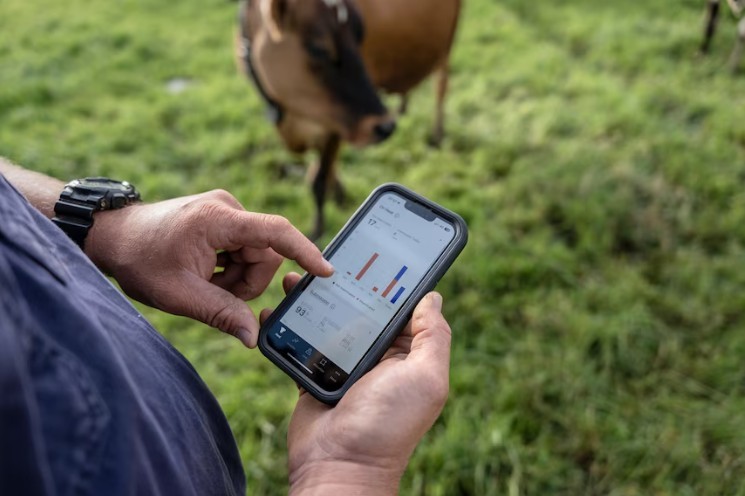
At its core, virtual fencing uses GPS-enabled smart collars linked to a mobile or web app. You simply draw a boundary line on
your phone, and the app updates the collars via local towers or satellite networks.
When stock approach the virtual line, the collar emits a gentle audio warning cue. If they keep going, it delivers a minor pulse. But we all know cattle are smart and most learn the audio cue within a few days to a week and turn back well before receiving any
pulse.
Is it cost-effective yet?
Let’s talk turkey or rather, dollars per head.
Right now, the biggest point of discussion around virtual fencing is the upfront investment. With smart collars averaging around $90 to $100
per head annually (plus base network towers and setup fees), equipping a herd of 1,000+ head quickly adds up to a serious line item.
If you’re running high numbers over vast acreages, traditional multi-wire fencing and ongoing maintenance might still
feel like the more predictable financial option in the short term.
However, when you factor in the soaring cost of fencing materials, heavy steel, and contract labour to build physical wire
across rough, timbered, or flooded country, the numbers start to balance out, especially as technology prices naturally ease with broader
adoption.
The pros & AI benefits
Where virtual fencing really starts to pay for itself is in flexibility, labour savings, and stock data:
-
Move stock between paddocks or setup strip grazing in seconds from your phone, without rolling out a single reel of tape or opening a
gate.
- Keep stock out of waterways, eroded gullies, or freshly sown pastures instantly with a drawn digital border.
-
Because the collars carry GPS and AI activity sensors, they don't just act as a fence, they double as herd monitors. You get alerts for
unusual activity, early signs of illness, calving tracking, or stock that have gone stationary.
- Say goodbye to spending days riding fence lines to fix broken wire after storm damage or bull fights.
What’s the verdict?
While physical boundary fences aren't going anywhere just yet (regulations still require a sound external fence!), virtual fencing for
internal paddock management is proving to be a genuine game-changer.
Certainly as collar costs come down and competition in the AgTech market increases, we expect to see more local producers
trialing the technology on key mobs to boost pasture efficiency and cut labour hours.
I'd love to hear your feedback if you have looked into the collars - Good or not so good!