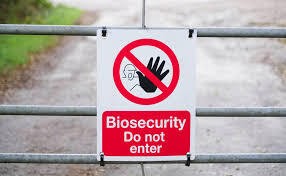
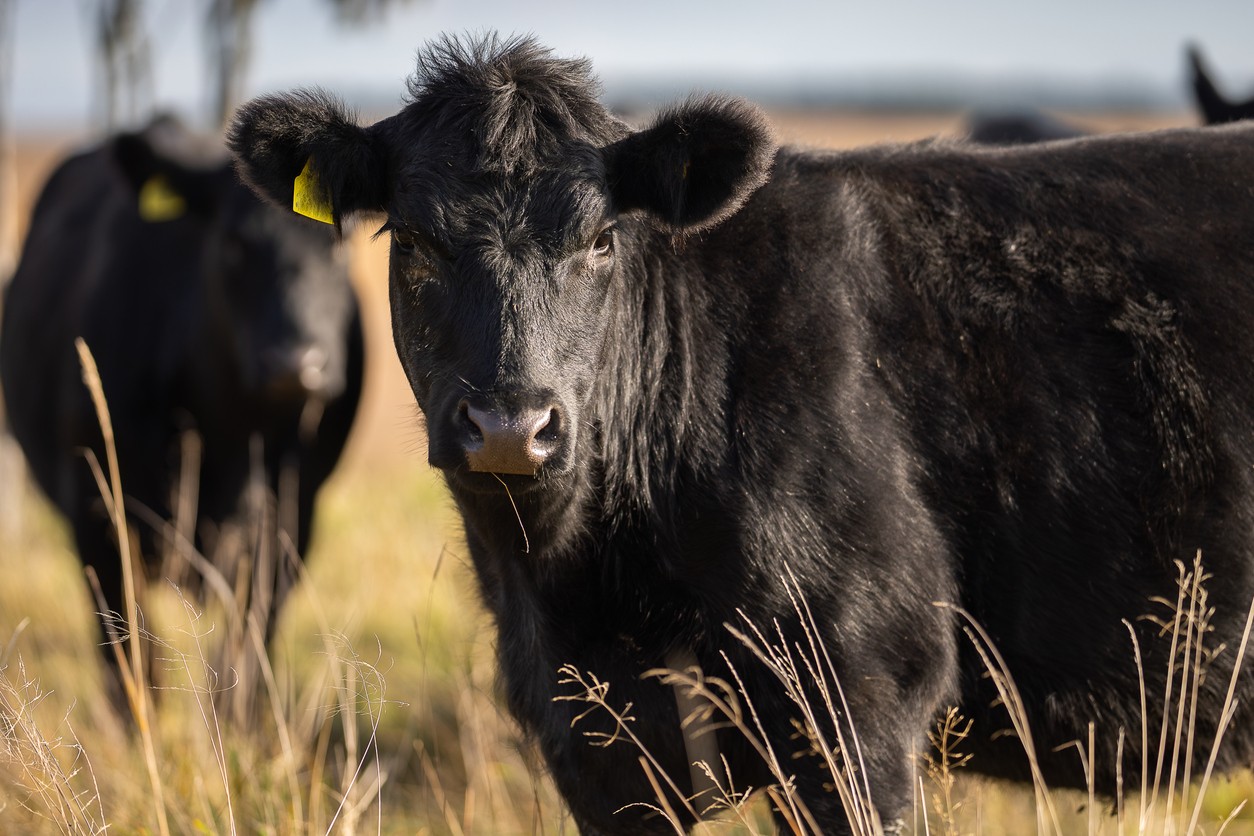
Australian cattle industry leaders are demanding tougher penalties for biosecurity violations, arguing that current fines are not enough to protect the $86 billion sector.
Cattle Australia president Garry Edwards said, “Not slaps on the wrist, not warnings. The more we have significant penalties attached to this, the greater the deterrent.” He stressed the need for stronger penalties to effectively discourage illegal biosecurity breaches.
Northern Territory cattle producer David Connolly agreed, stating, “It is an $86 billion industry, and it has got a fine of $6250. The fines and the disincentive to do the wrong thing is just not high enough.” Connolly also expressed concerns over frequent illegal incursions in northern Australia, adding, “I am very uncomfortable about these incursions, I think there are significant biosecurity threats in these actions, and there needs to be consequences for these illegal actions.”
With over 300,000 biosecurity risk items intercepted at Australian borders in 2023, industry leaders are pushing for tougher measures to safeguard the sector against potential outbreaks that could affect markets nationwide. Edwards emphasized that a northern outbreak would impact all producers, saying, “If something comes in in the north, it will affect every producer right down to the tip of Tasmania.”
The government is already working on biosecurity through a dedicated team and surveillance at ports, but industry representatives are calling for even greater efforts to protect Australia’s cattle industry. Edwards also suggested, “We need to find a way to fund and frankly have bigger deterrents.”
In addition, producers are encouraged to set a good example by voluntarily implementing biosecurity measures on their farms, such as using shoe and boot washes. As Edwards put it, “If people see us do that and voluntarily cleaning our shoes, it draws attention to it.”