Navigating the bottleneck: What the China tariff means for Australian beef
When a tariff triggers a shift in global shipping routes, it’s rarely just a headline for trade analysts it’s something that eventually hits
home at the feedlot gate and processing plant floor.
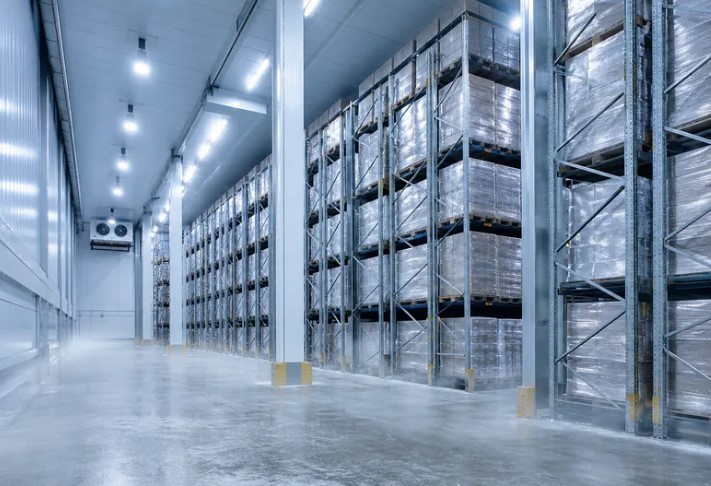
Since June, Australia’s 55% safeguard tariff on beef exports to China has put a notable squeeze on supply chains. Cold storage facilities
across Brisbane and Melbourne are sitting at capacity, leading to lost processing days at several major export plants. To keep meat moving
without incurring massive tariffs, exporters have resorted to creative logistics sending container ships on 60-day roundabout routes through
Panama or Europe so product arrives in China after the calendar resets on January 1.
While these "floating cold stores" make for striking headlines, the more compelling question for producers in North West NSW is
straightforward: what does this mean for our market in the near future, and how should we navigate the ripple effects?
The short-term squeeze on feedlots
The immediate bottleneck is felt most acutely in long-fed programs, particularly Wagyu. When export plants lose processing days due to
filled cold rooms, service-kill clients face delays in getting cattle slaughtered.
For lotfeeders, holding animals past their designated days on feed isn't just an inconvenience; it adds holding costs and impacts pen
turnover.
In the coming weeks leading up to late December, expect processing space for long-fed and specialised lots to remain tight. Producers with
cattle approaching target weights will benefit from close communication with agents and processors to confirm kill slots well in advance.
A post-January reset
The current gridlock is largely a timing issue rather than a permanent loss of demand. Australian cold storage and cargo ships are
effectively holding back a flood of product until the 55% tariff drops back on January 1.
Once the clock strikes midnight on December 31, that backlogged product will enter Chinese ports under normal tariff schedules. This setup
points to a few clear expectations for early 2027:
- Processors will clear local cold storage quickly, allowing plant schedules to return to full capacity.
-
Because so much beef is waiting on the water, Australia's 2027 China quota is expected to fill at a rapid pacepotentially as early as
Easter.
-
If the quota fills early again next year, the industry could face another tariff trigger by mid-2027, particularly
impacting long-fed programs exiting between May and November.
The tariff challenge highlights a broader evolution in Australian beef marketing: the need for agile supply chains.
Processors and supply chains that pivoted quickly to alternative export markets such as North America, South Korea, Japan, and the Middle
East have managed cold storage space much more effectively throughout this period. On the domestic front, commercial cattle markets continue
to draw strength from solid restocker interest and reliable feeder demand, keeping underlying market foundations steady.
While trade distortions create temporary friction, the long-term fundamentals for Australian beef remain grounded in strong international
demand for quality grass-fed and grain-fed product.
The takeaway
Rather than a cause for alarm, the current cold storage situation is a classic example of supply chain friction caused by administrative
policy.
As we look toward the end of the year, forward planning around turn-off schedules, clear contract terms on feedlot programs, and staying
informed on processor booking lead-times will be key tools for managing the near-term landscape.