


Consumers Are Turning Back to Beef - Especially the Younger Generation
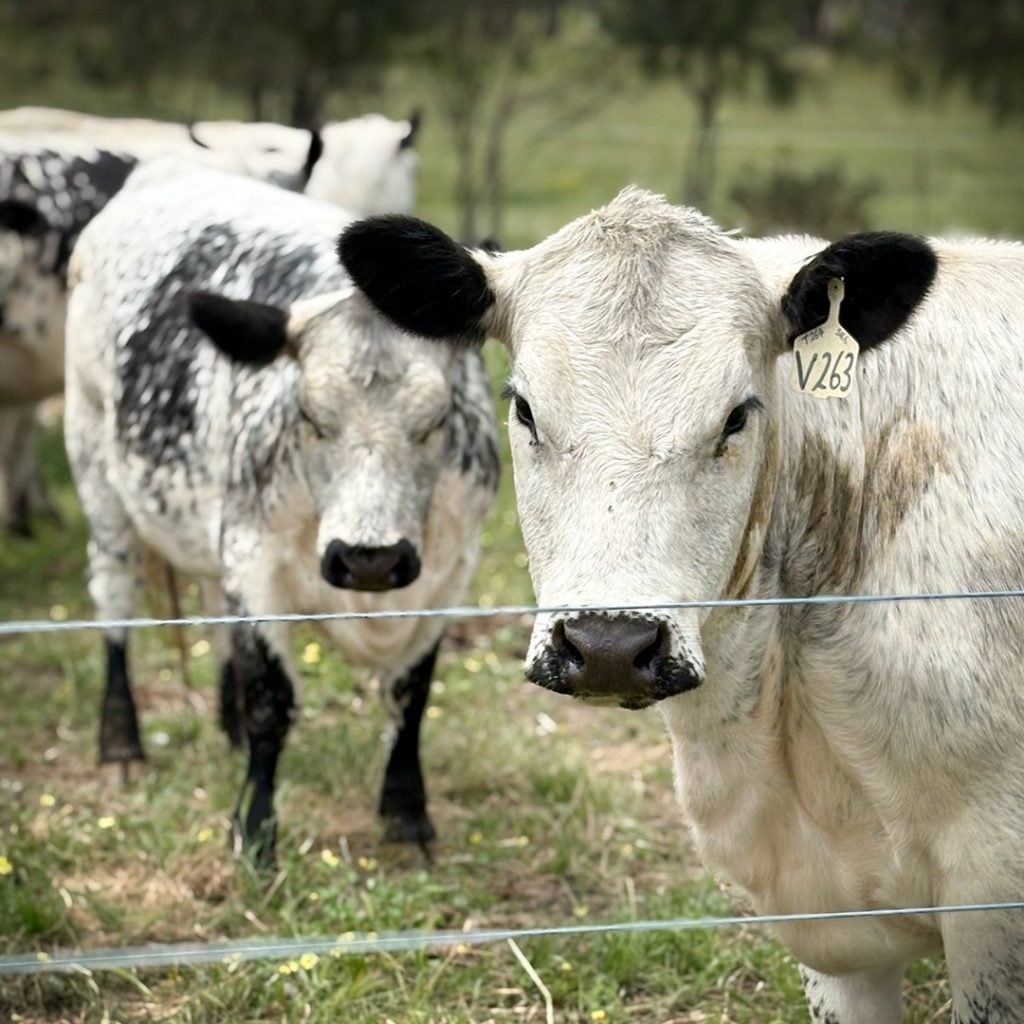
For the first time in 15 years, Australians are increasing their beef consumption. MLA’s 2025 Community Sentiment Research shows:
- 24% of Australians are eating more beef, compared with 22% eating less.
- The strongest growth is among 18–34-year-olds, especially young women.
- Drivers include nutrition, protein, iron, and provenance.
This new wave of consumers is more informed, more curious, and more values-driven. They want to know where their beef comes from, how it was raised, and whether it contributes positively to sustainability outcomes.
For producers, this is an opportunity. Beef backed by credible data, feed efficiency, MSA performance, tenderness testing aligns perfectly with what this generation wants at the dinner table.
Chefs are changing too and they’re shaping demand
In a recent Speckle Park International event held in Victoria was the eight-course grass-fed Speckle Park dinner created by KickOn Group COO and chef Jake Furst.
His team’s reaction says everything about where the industry is heading:
“The first time our chefs cooked a Speckle Park eye fillet, they said it was one of the best they had ever cooked… The flavour was the standout.”
Not only did the beef exceed expectations, it sold out in six days, instead of the six weeks the venue expected.
This reflects a broader trend among chefs nationwide:
What chefs now care about:
- Tenderness and texture
- Flavour and fat quality
- Grass-fed vs grain-fed origin
- Provenance and traceability
- Consistency backed by genetics and data
Restaurant diners increasingly ask about marbling scores, breeding lines and whether cattle are grass or grainfed. Chefs are turning into powerful advocates for high-performance, well-bred beef and they’re influencing consumer buying habits more than ever.
Genetics, NFI & tenderness: The new foundations of premium beef
Producers at the Speckle Park International event saw firsthand how Speckle Park breeders are using genomics and feed efficiency data to guide decisions.
Key takeaways:
- Feed efficiency matters more than ever as costs continue to rise.
- Net Feed Intake testing is revealing major differences in how efficiently animals convert feed—directly impacting profitability.
- Tenderness has moderate heritability, meaning producers can make meaningful genetic progress.
- More than 1500 animals are now tenderness-tested, with results integrated into the SPI database.
- Genomics is increasingly used in:
- IVF, ET and AI programs
- Enterprise-wide efficiency improvements
- Value-based marketing and branded beef programs
This shift towards measurable performance is opening new pathways into premium supply chains.
What this means for 2026
2026 won’t reward guesswork. It will reward operators who lean into data, consumer insight and supply-chain collaboration.
Expect these trends to intensify in 2026:
1. Chef-driven demand for high-quality beef
Chefs are becoming the new storytellers of the beef industry. Their focus on flavour, tenderness and provenance will keep pushing demand for premium, grass-fed, data-backed beef.
2. Younger consumers shaping the market
The 18–34 market wants transparency, nutrition, sustainability and they’re willing to pay for quality.
3. Genomic tools becoming standard practice
Tenderness tests, NFI, and genetic markers will increasingly guide breeding decisions and underpin new branded beef programs.
4. Greater rewards for traceable, high-performance cattle
Top-performing carcasses like many in the Speckle Park breed already landing in the top 10–25% of MSA Index scores will command premiums.
5. Whole-enterprise efficiency under the spotlight
From feeding decisions to breeding selections, efficiency will be one of the biggest profitability levers for Australian producers.
The Bottom Line
Eating quality is everything. Chefs want it. Consumers expect it. Genetics can deliver it.
And in 2026, the producers who can prove it with data, not just reputation will lead the market.
Image Source: Beef Central