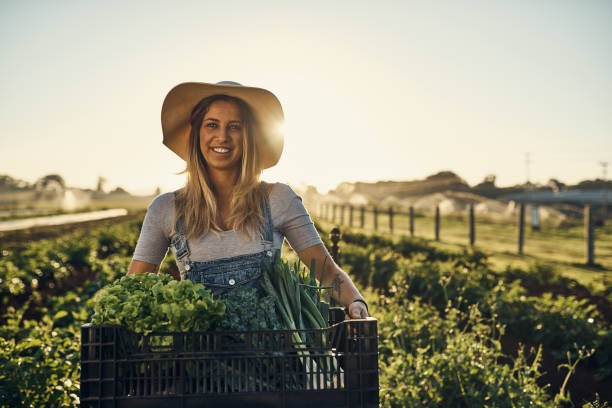
According to a 2021 census analysis, more young people, women, and people from diverse cultural backgrounds are choosing to work in agriculture.
ABARES' snapshot of Australia's agricultural workforce reveals the industry's changing face.
The census, which includes employed people aged 15 and up whose primary job was in agriculture in the week preceding census night, also shows a slight increase in the number of people working in the sector.
"Between the 2016 Census and the 2021 Census, we've seen more people overall working in agriculture - 239,093, which is an increase of 4.7 per cent," Jared Greenville from ABARES said.
Women now account for one-third of the agricultural workforce, with young people accounting for a quarter, and 13% of ag workers come from a culturally diverse background.
"We've seen a slight rise in the proportion of women, young people and people from culturally and linguistically diverse backgrounds in the agricultural workforce over the same period," Dr Greenvile said.
"Around 1.8 per cent of workers in the agricultural sector were Indigenous, and 1.6 per cent had a disability that meant they required assistance with core activities.
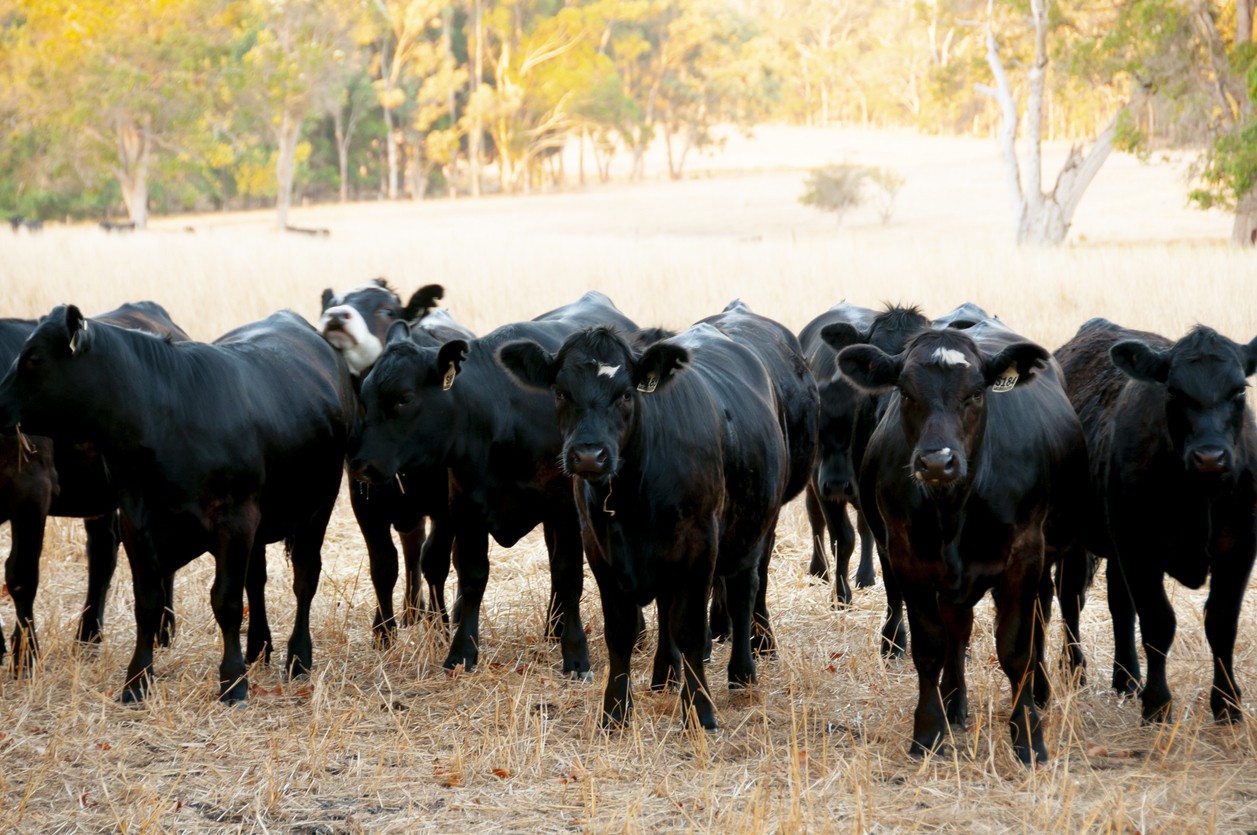
The report found nearly half of all people working in agriculture in 2021 were employed in sheep, beef cattle and grain farming, which is slightly down from 2016.
More than 80 per cent of agriculture workers live in regional areas with almost 70 per cent working full time.
"I'm sure plenty of people in the agricultural sector will be heartened to see more young people getting involved in the industry," Dr Greenville said.
(Source: The Canberra Times)