If you’ve been watching the feeder markets over the last fortnight, you’ve likely noticed a massive shift in momentum. Feeder grids have
surged by 30 to 50c/kg, pushing saleyard indicators to heights we haven't seen since 2022.
But according to prominent market analyst Simon Quilty from Global Agritrends, this isn’t just a short-term blip. He’s making some
incredibly bold predictions for where this market is heading, and it’s something local producers need to keep a very close eye on.
So, what’s driving the surge, what should you be watching, and how can you lean into this? Here is the breakdown.
What’s driving the market right now?
The heavier end of the feeder market (400kg+) opened strongly at 524c/kg, and down on the Darling Downs, flatback feeders are sitting
comfortably between 515c and 520c/kg.
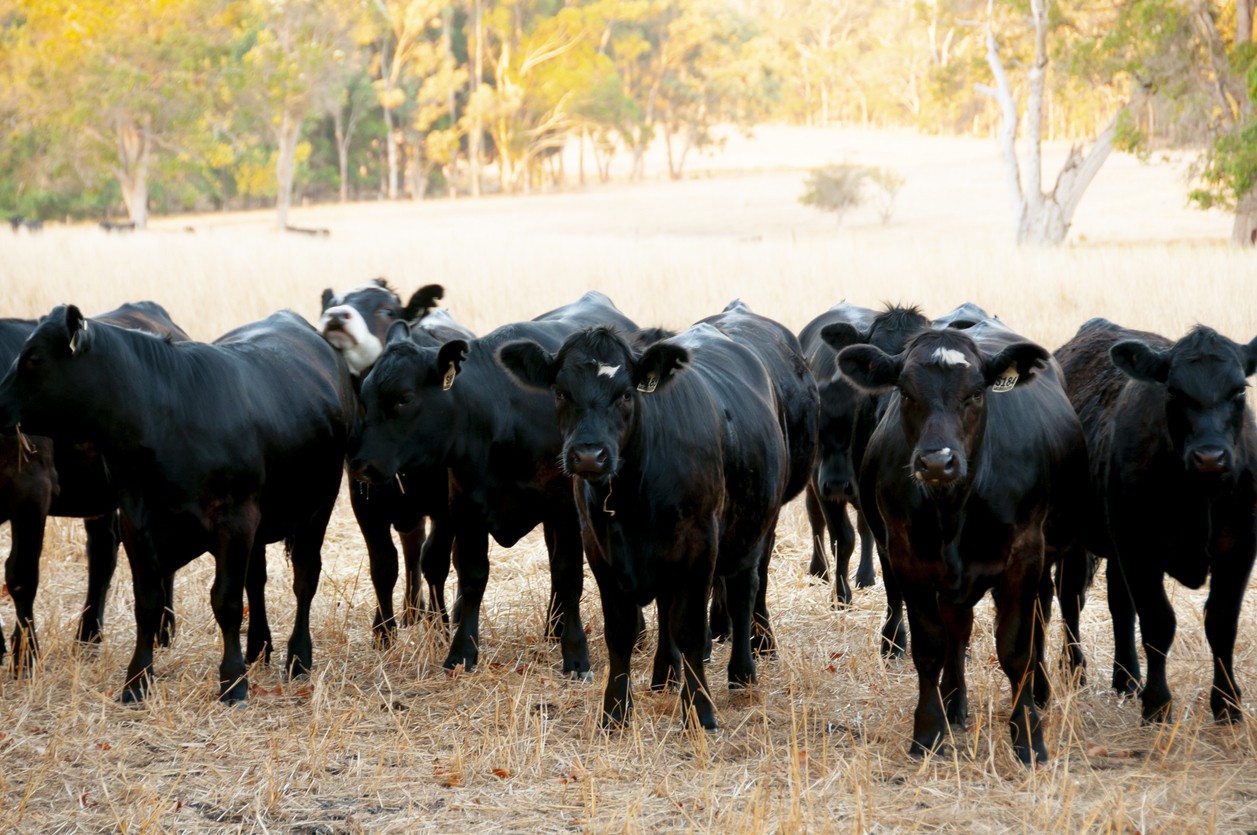
If you are running Angus cattle, the news is even better. Southern Angus quotes are sitting between 550c and 560c/kg, with some anecdotal
reports pushing closer to 600c/kg.
This spike is a direct result of two things:
-
Supply is contracting: Places like Dubbo saw numbers slide dramatically due to recent good falls and seasonal changeovers. Less numbers on
offer means buyers have to chase the stock.
-
Shortages & Forward Contracts: Queensland feedlots are under immense pressure to fill forward contracts for
September. Because there is a significant shortage of Angus cattle at this time of year, lotfeeders are being forced to compete hard to
secure lines, even while worrying about their own tight margins.
What to watch
Simon Quilty believes there is still a massive amount of upside left in this market. Here are the two key milestones Simon istelling
producers to watch:
-
The July/August "China Effect": Right now, Australia is right on the cusp of triggering its 55% safeguard quota for China, meaning exports
there have paused temporarily. However, feedlots will start buying for November forward contracts soon, which is exactly when the China
market reactivates. Quilty predicts this could push Angus feeder steers to 620c/kg by August.
-
The 720c/kg Landmark: Looking further ahead, Quilty predicts Angus feeder steers could hit a massive 720c/kg or higher by October next year
(with flatbacks sitting about 100c behind that).
Why such a massive jump? It comes down to severe supply shortages in Northern NSW and Southern Qld. After a huge sell-off over the last
year, around 100,000 cows exited our regions and 60% to 70% of them went straight to slaughter. The cattle simply aren't on the ground
anymore.
What can producers lean Into and learn?
So, how do you use this information to make smart decisions on-farm today?
1. Watch the Heifer Premium
We’ve already seen heifer prices jump over the last two weeks, trading within 20–30c of
feeder steers. Quilty suggests that by January 2027, heifers could actually trade at a premium to feeder steers as restockers scramble to
rebuild their core breeding herds. If you have quality heifers, think about holding your ground as their value is on a steep upward
trajectory.
2. You don't just need rain to win
Interestingly, Quilty notes that these high predictions aren't strictly dependent
on a wet spring. Because the region has tipped out so much stock, we are back to core breeding numbers. The sheer lack of supply is going to
drive this market, regardless of the weather.
3. Timing your marketing is everything
If you have numbers ready to go, understand that feedlots are hungry to fill
contracts. However, if you have the capacity to hold and background your stock closer to that late-winter/early-spring window when China
buyers re-enter the market, you could be looking at a much handsomer return.
The bottom line
The leverage is shifting back into the hands of the producer. With supply thin on the ground across Northern NSW, the cattle you hold are
becoming highly valuable assets.
If you're trying to figure out the best timing to market your steers or heifers to maximize these rising grids, give the team at James
Bradford Rural a call today.
We are on the ground, tracking these trends daily, and here to help you get the best result for your livestock.