Cattle can produce a variety of by-products, including crayons, lubricants, candles, soaps, lipsticks, shaving creams, deodorants, and toothpaste.
Argentinean researchers believe they will soon have another addition to their already long list: lithium batteries.
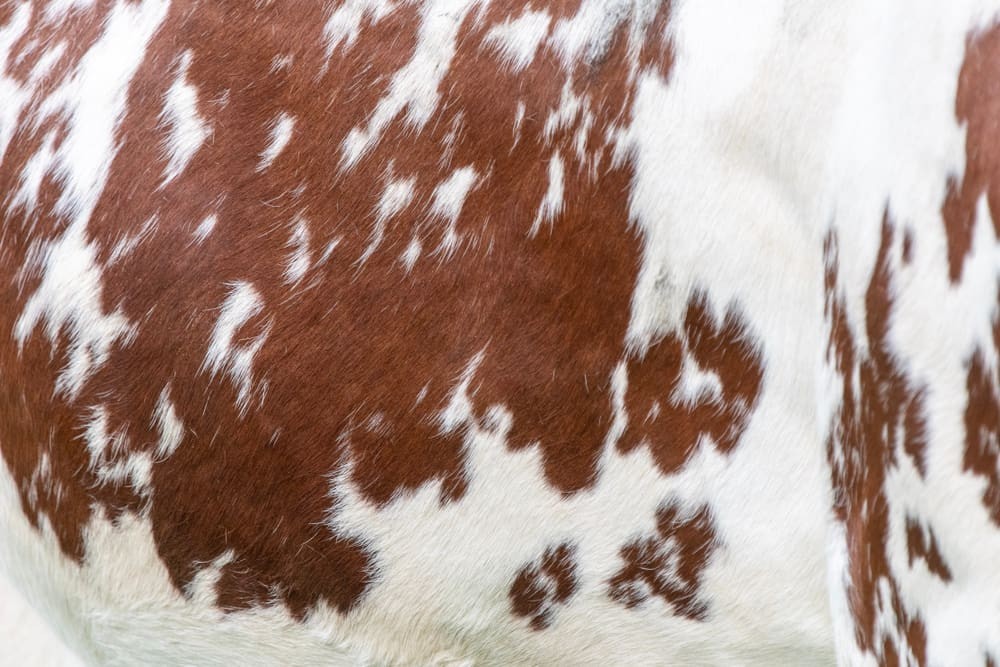
Scientists at Conicet, Argentina's National Scientific and Technical Research Agency, and the National University of Cordoba have used cow hair to create lithium-sulphur batteries that they claim have excellent electrochemical performance.
Conventional batteries are made up of a graphite anode and a cobalt-nickel cathode, which are difficult, expensive, and environmentally harmful to obtain.
The choice of sulphur as a cathode material is intended to reduce associated costs and environmental impacts.
“Sulphur needs somewhere to adhere to form the cathode and to create the skeleton we think of biocarbons that are obtained through organic waste such as cow hair,” explained Conicet researcher Victoria Bracamonte, according to Argentinean news service Rosario3.
The study entailed obtaining cow hair from a local tannery.
The hair was washed and deodorised before being subjected to two cooking processes at temperatures as high as 900 degrees Celsius, with sulphur added during the process.
Next, a small, watch-like battery was built with a pure lithium anode.
The cow-hair batters demonstrated "high capacity, good rate capability, and excellent cyclability," according to the researchers' report, which they attribute to the cow hair's porous carbon structure.
The project was supported by YPF - Technologies (Y-TEC) in collaboration with Conicet, which has reported that a patent for the project has already been filed in the US.
The researchers say the next steps are to scale production and connect the tannery and battery industries to generate a circular process.
“These are batteries that could only be on the market within 10 years. They are a very different technology from the current one." Researchers say.
“Development and testing on an industrial scale will take time. In any case, they will not replace current batteries either. They are likely to coexist”.
(Source: Beef Central )