


The impact on NSW cattle supply and price from recent North-West Queensland flooding
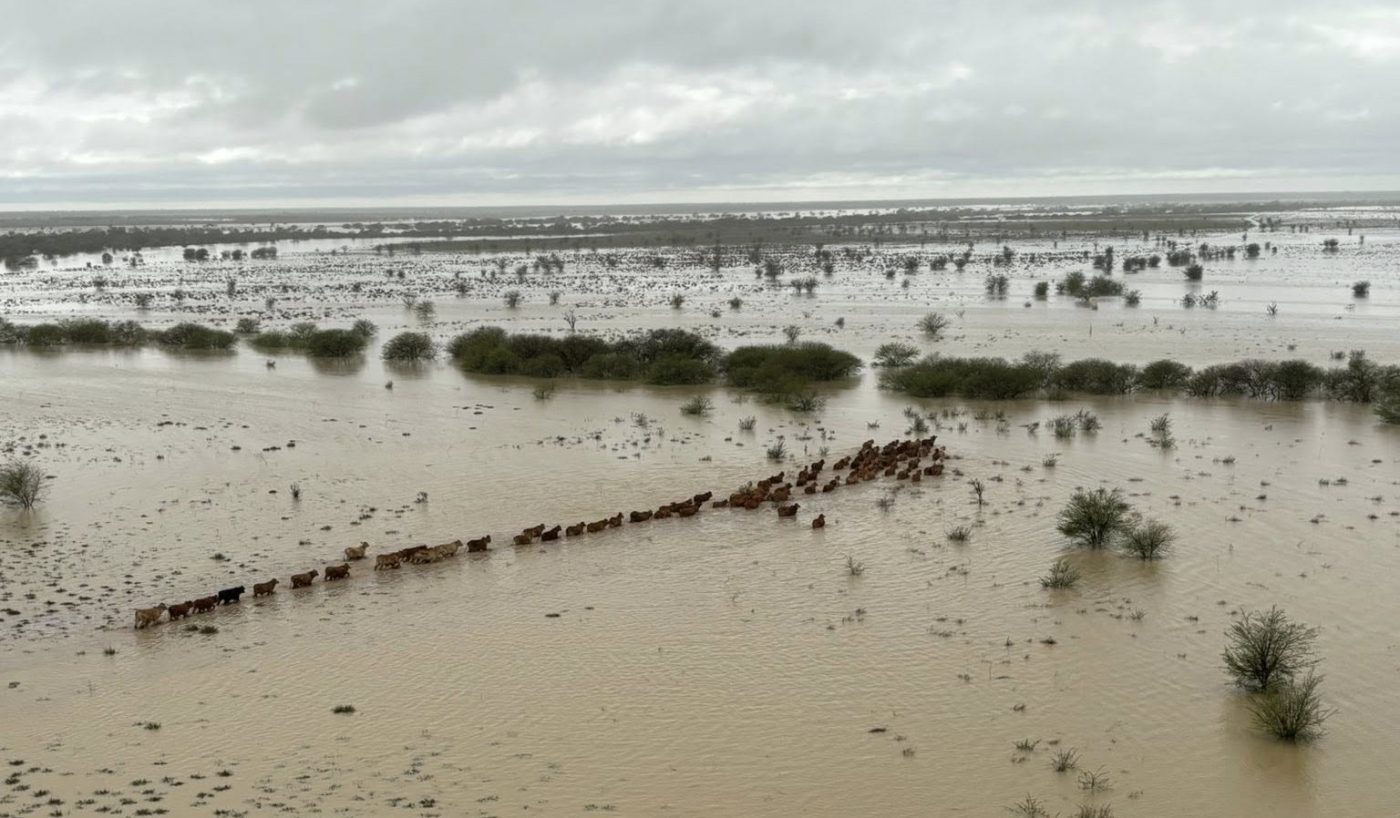
The recent flooding in North-West Queensland (late December 2025 – January 2026) is expected to have a multi-layered impact on livestock market prices, characterised by short-term supply tightening and long-term herd rebuilding pressures.
As of January 2026, floodwaters are still peaking in some areas, with early reports indicating significant stock losses and health issues such as pneumonia and "rain scald" due to prolonged exposure to mud and wet conditions.
The floods in North-West Queensland will significantly impact the NSW cattle market through a "ripple effect" on supply chains, restocking demand, and processing availability. While the physical damage is in the North, the economic consequences are felt strongly across the New South Wales border.
1. Supply Shock and Price Support
The immediate impact on NSW is a reduction in the flow of cattle coming from the North.
Reduced Competition: With North-West Queensland cattle unable to move due to flooded roads, NSW processors and lot-feeders often have to source more stock locally within NSW. This increased local competition typically provides a firm floor for NSW cattle prices.
Interstate Logistics: Major transport routes that normally bring "store" cattle (cattle for further growing) from QLD into northern NSW are currently severed. This creates a temporary vacuum in the NSW market, often leading to price spikes for available local feeder steers.
2. Increased Demand for NSW Breeders
The most lasting impact on NSW will be the rebuilding phase. Early estimates suggest tens of thousands of head have already been lost in the North-West.
Restocking Competition: Once floodwaters recede and pastures in the North-West begin to grow, Queensland graziers will look to replace their lost herds. They often look to the NSW market for high-quality heifers and young breeders.
Price Inflation: This surge in northern demand often drives up the price of young cattle in NSW saleyards (such as Tamworth, Gunnedah, Dubbo, and Wagga Wagga), as local producers have to compete with interstate buyers to secure stock.
3. Downstream Water Effects
As noted in recent reports, floodwaters from catchments like Winton are moving south.
Channel Country Impact: This water eventually feeds into the Cooper Creek and Eyre Basin systems. While this can cause short-term disruption, it often creates "flush" grazing conditions in the Channel Country in a few months' time.
NSW Feedlot Reliance: NSW feedlots, which rely heavily on a steady stream of cattle from these northern systems, may face higher input costs if they have to pivot their sourcing strategies to purely southern-based cattle.
Market summary for NSW producers
- Lower supply from the North pushes local NSW prices up
- QLD producers will source NSW heifers to rebuild lost herds
- Higher prices for finished cattle as supply chains remain broken.
The Final Takeaway: A Resilience Tested
The 2026 floods serve as a stark reminder of the volatility and interconnectedness of the Australian cattle industry. While the immediate story is one of tragic loss and infrastructure devastation in the North-West, the broader market reality is a paradox of supply and demand.
As Queensland graziers begin the long journey of rebuilding lost herds, the reduced supply will likely keep upward pressure on cattle prices across the East Coast, turning the gaze of the nation toward the NSW market for restocking. Ultimately, the industry’s recovery will not just be measured in head of cattle replaced, but in the extraordinary resilience of producers who continue to navigate the extremes of the Australian climate to keep the global food chain moving.
Key Reference and credit:
ABC News: Graziers Tally Losses - Details the massive scale of the water movement and the long "road to recovery" for the industry
Image Credit: Flood waters on Alexmere Station near Nelia in North West Queensland. Photo: Dudley Harrington.