


Unified Front Needed as NSW Tick Fever Outbreaks Escalate
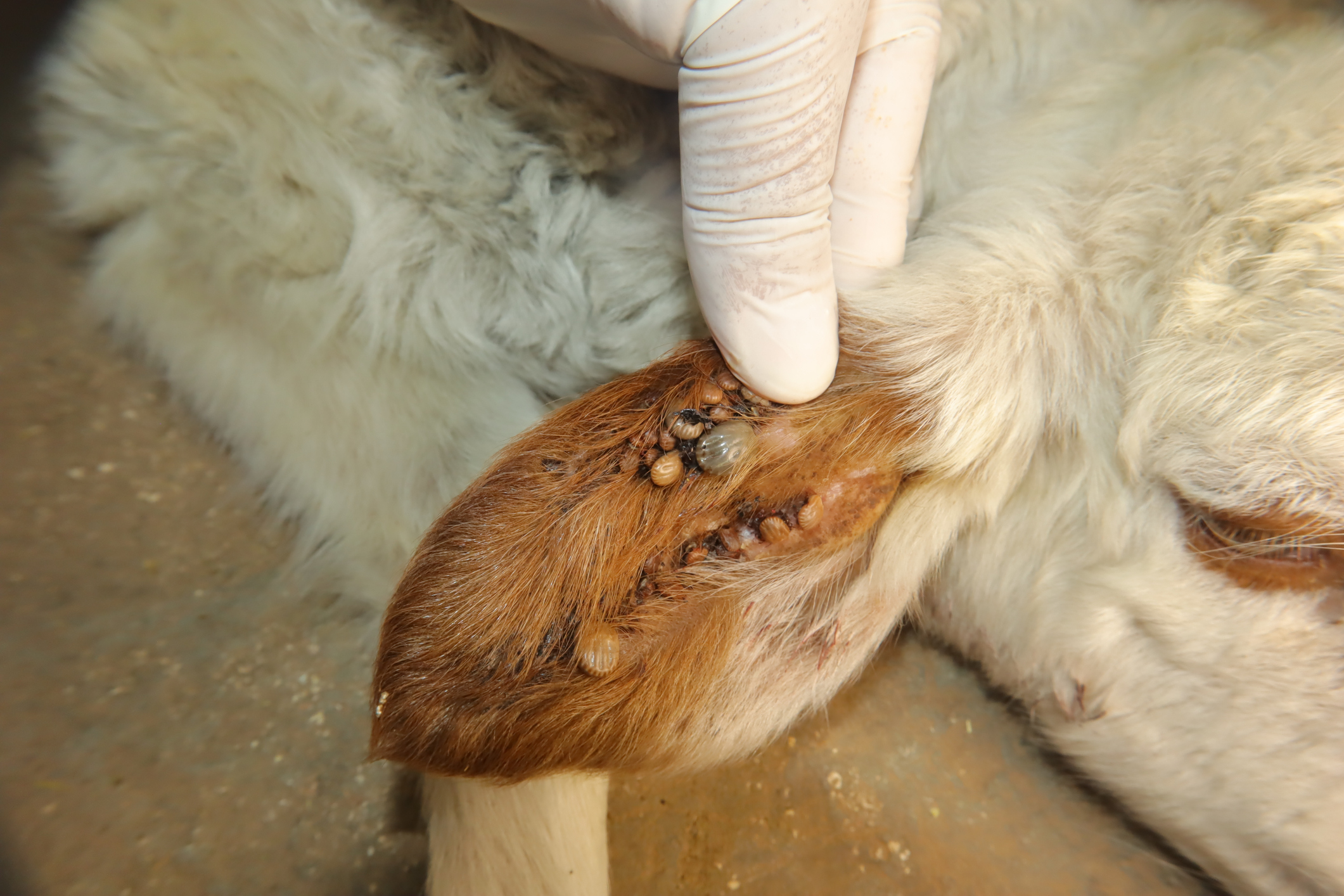
North-east NSW is facing a severe surge in cattle ticks and tick fever, and primary producers are bearing the financial and emotional brunt of the crisis. While official DPIRD data reports 285 infestations and 54 deaths this financial year, experienced cattlemen on the ground warn the real toll is well into the hundreds. Across the state, infested properties have more than doubled since late 2023, jumping from 218 to over 580. Just the site of them will send shivers up your spine.
Industry leaders point out that landholders aren't failing their biosecurity duties, rather, government resources have been severely hollowed out over the last four years. We used to have 73 dedicated field officers called the 'tickies' who actively supported stock owners with treatment regimes and property monitoring. Today, there are just 17 field staff left to cover the entire state.
With staff stretched thin, DPIRD was forced to halt routine boundary inspections on adjoining properties and cut back on face-to-face inductions for the Owner Treatment Scheme (OTS). For diligent producers, this gap in enforcement has led to immense frustration.
As cattle producers we don’t mind doing the hard work to treat our stock, but when you go through a grueling 12-month program only to get wiped out again because nothing was done across the fence line, it becomes incredibly debilitating. You cannot have biosecurity success without active government enforcement.
Eradication remains the only viable path
While options like deregulation or splitting the state into 'tick-free' and 'infested' zones were considered, a recent independent review firmly rejected them. Total eradication remains the only way to protect livestock welfare, maintain market access, and prevent long-term costs from spiraling out of control.
The NSW Government has since committed $7 million to rebuild the Cattle Tick Program. While NSW Farmers welcome the funding, they remain fiercely opposed to any future recommendations suggesting an industry levy to recover costs.
Protect your herd and your neighbours
Eradication cannot succeed on paper alone; it requires every landholder to keep a watchful eye on their herds and maintain clear communication across fence lines.
By law, landholders have a strict obligation to notify the NSW Cattle Tick Program within one business day of discovering or suspecting a cattle tick infestation.
If you spot anything unusual during your regular musters or preparing cattle for sale, contact your local DPIRD office or Local Land Services (LLS) immediately to secure advice and treatment support.