The recent surge in the Australian dollar has taken some of the gloss off local export prices, but a deeper look at the global market
reveals massive, long-term opportunities for cattle producers right here in the Gunnedah basin and across the region.
Here is a breakdown of what is happening on the global stage and more importantly, what it means for your gate returns.
The big picture
The Australian dollar recently traded as high as US73c, its highest level in over four years. Financial analysts point to a combination of
steady domestic interest rates, strong commodity prices, and an increasing global appetite for Australian energy and resources as the main
drivers. Some even predict the A$ could nudge US75c by the end of the year.
Because global meat trading is conducted in US dollars, a stronger Aussie dollar acts as a natural headwind. It means that when those US
dollars are converted back home, the final payout looks a little lighter.
We are already seeing this in the manufacturing beef market:
-
In US Dollar Terms: The price for imported 90CL manufacturing beef into the US has held incredibly firm, sitting at US$3.71/lb down a mere
3% from its all-time record high last November.
-
In Australian Dollar Terms: Because of the currency shift, that translates to roughly $11.35/kg, which is a 13% drop from the
$13.07/kg record highs we enjoyed late last year.
While the currency conversion takes a small bite out of the record-breaking values, the underlying global demand for beef is arguably the
strongest we have seen in a generation.
The US market has a massive hole to fill
The real story for local producers is the sheer lack of cattle in the United States. Following years of severe liquidation driven by North
American droughts, the US beef cow herd has hit a 70-year low.
American processors are facing incredibly tight margins because domestic cows are in such short supply, driving US cow prices to their
highest levels on record. To put it simply: America is starving for lean manufacturing beef to keep up with its massive hamburger market. In
fact, imported beef is expected to account for more than 20% of all beef consumed in the US this year.
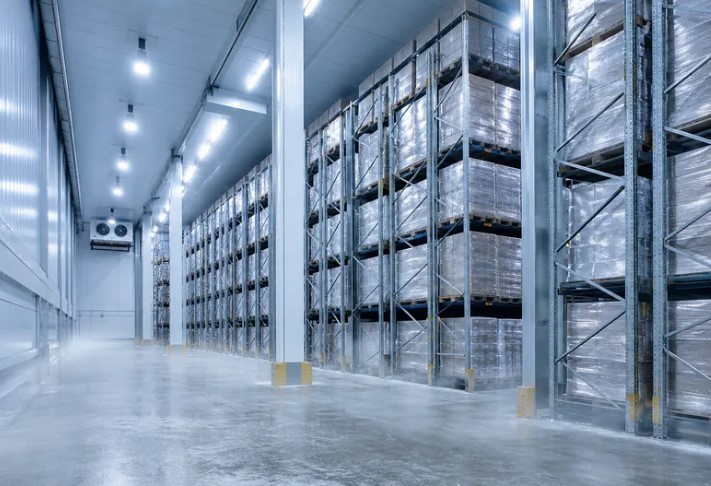
While Brazil has stepped up over the last few months to become a primary volume supplier to the US, utilising clever bonded cold-storage
strategies, they are heavily restricted by tight tariff quotas. Once Brazil fills its standard quota, they face a steep 26.4% out-of-quota
tariff to enter the US. Furthermore, if Brazil triggers its 2026 quota into China later this year, they face an even harsher 55%
out-of-quota tariff there, leaving them with fewer lucrative export options.
Where our local producers win
So, how does a global game of currency and quotas translate to a win at the local saleyards?
-
Premium Positioning & Chilled Access: While Brazil is sending massive volumes of frozen product into the US to fill
low-end foodservice channels, Australia remains a trusted king of high-quality supply. Over the last three months, Australian chilled beef
exports to the US averaged a massive 25% above last year’s levels. Our ability to supply clean, high-quality chilled and lean beef positions
us beautifully as US domestic supply continues to wane.
-
Market Diversity Equals Safety: Unlike other major exporters who are heavily reliant on a single trade window, Australian beef has
exceptional, well-established access to multiple premium markets, including Japan and South Korea. If one market fluctuates, exporters can
pivot seamlessly, keeping baseline demand for Australian cattle incredibly stable.
-
A Long Runway for Demand: US herd recovery isn't a quick fix. Analysts suggest it will take at least another three to five years for the US
cattle herd to rebuild. Because American producers will be holding onto heifers to rebuild their own numbers, they will have to rely on
international imports for the foreseeable future.
The result
A higher Australian dollar changes the math on export sheets, but it cannot override the fundamental reality of global supply and demand.
The world wants high-quality beef, the US herd is at historic lows, and Australia is perfectly positioned to fill the gap.
For producers in the Gunnedah region, this long-term global deficit provides an excellent, reassuring safety net for cattle values. Demand
for quality livestock isn't going anywhere anytime soon.