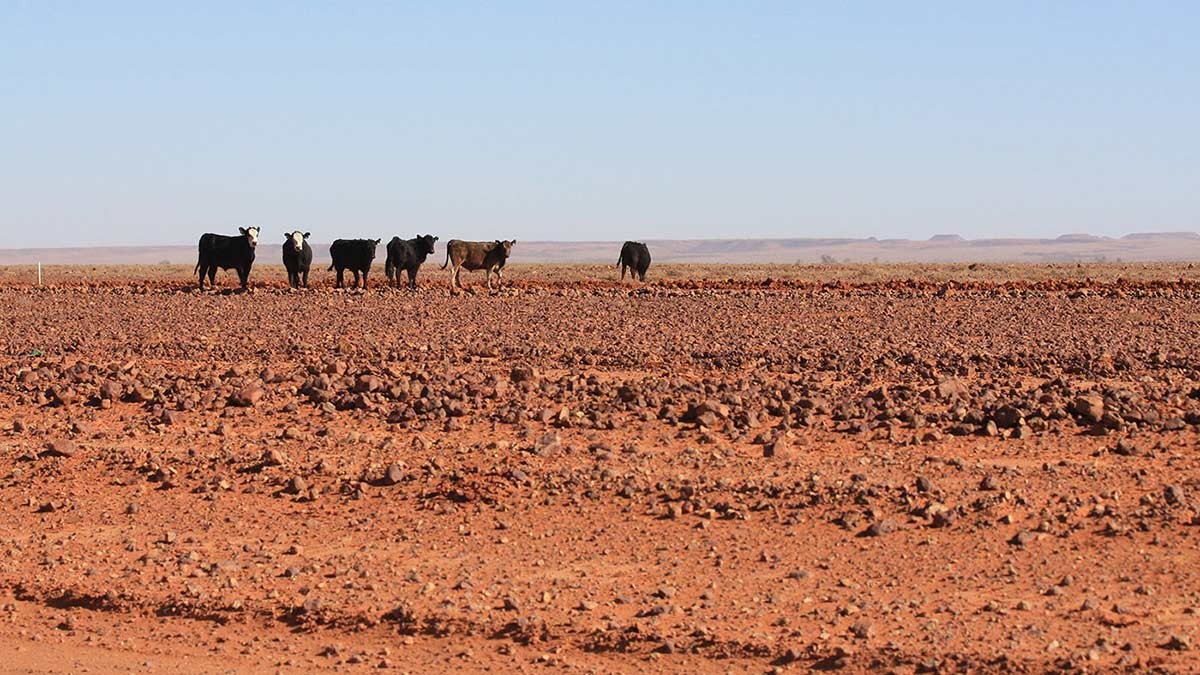
The head of one of Australia’s eight drought hubs, Associate Professor Ben Lyons, recently attended a prestigious United Nations workshop at Yale University, showcasing how Australia is at the forefront of drought management. Alongside David Phelps from James Cook University, Lyons discussed innovative strategies to tackle drought on a global scale.
Hosted by the UN’s Convention to Combat Desertification, this meeting highlighted Australia’s proactive approach to managing dry seasons, positioning the nation decades ahead of many others in the world.
“Australia has taken significant steps to prepare for drought, and our efforts have accelerated compared to other countries,” said Associate Professor Lyons. “The UN is keenly interested in our Future Drought Fund and how we organize our initiatives, as we’ve developed effective practices for agriculture in our variable climate, particularly here in Queensland.”
Innovative Strategies for Drought Management
The workshop also explored the diverse skill sets being utilized to enhance drought strategies. Lyons emphasized the unique contributions from unexpected fields, such as architecture. Teams from Yale are looking into creating drought indicators, recognizing that architects excel at organizing and presenting information in intuitive ways.
“While they may not be drought experts, architects bring a fresh perspective on how to visualize data effectively, making it more accessible for everyone,” he explained.
Additionally, a collaboration with NASA has introduced advanced satellite technology to monitor surface and artesian water, further enhancing Australia’s ability to manage water resources during dry spells.
Strengthening the Role of Drought Hubs
The establishment of the eight drought hubs in 2021 was a significant step towards better coordinating research efforts and supporting agricultural communities. Each hub operates regional “nodes” with dedicated extension officers to promote the adoption of innovative research and practices.
“Although we faced initial challenges, we’re now well-positioned to deliver valuable insights and support to farmers,” said Associate Professor Lyons. “With government funding secured until 2032, we’re committed to bringing more productive initiatives to our communities in the coming year.”
Australia’s leadership in drought management not only serves its farmers but also offers a model for others facing similar challenges. Through collaboration, innovation, and commitment, the nation is paving the way for a more resilient agricultural future.
Source: beefcentral.com