If you were around the local saleyards in the first four months of 2026, you didn't need a market analyst to tell you things were very busy.
The first quarter of the year saw a massive movement of stock out of Northern New South Wales. Driven by dry conditions, saleyard across
Tamworth, Gunnedah, Inverell, Armidale, Scone, and Dubbo smashed records, hitting a 20-year high. At the peak of the surge in April,
Northern NSW accounted for a whopping 61% of all listings on AuctionsPlus.
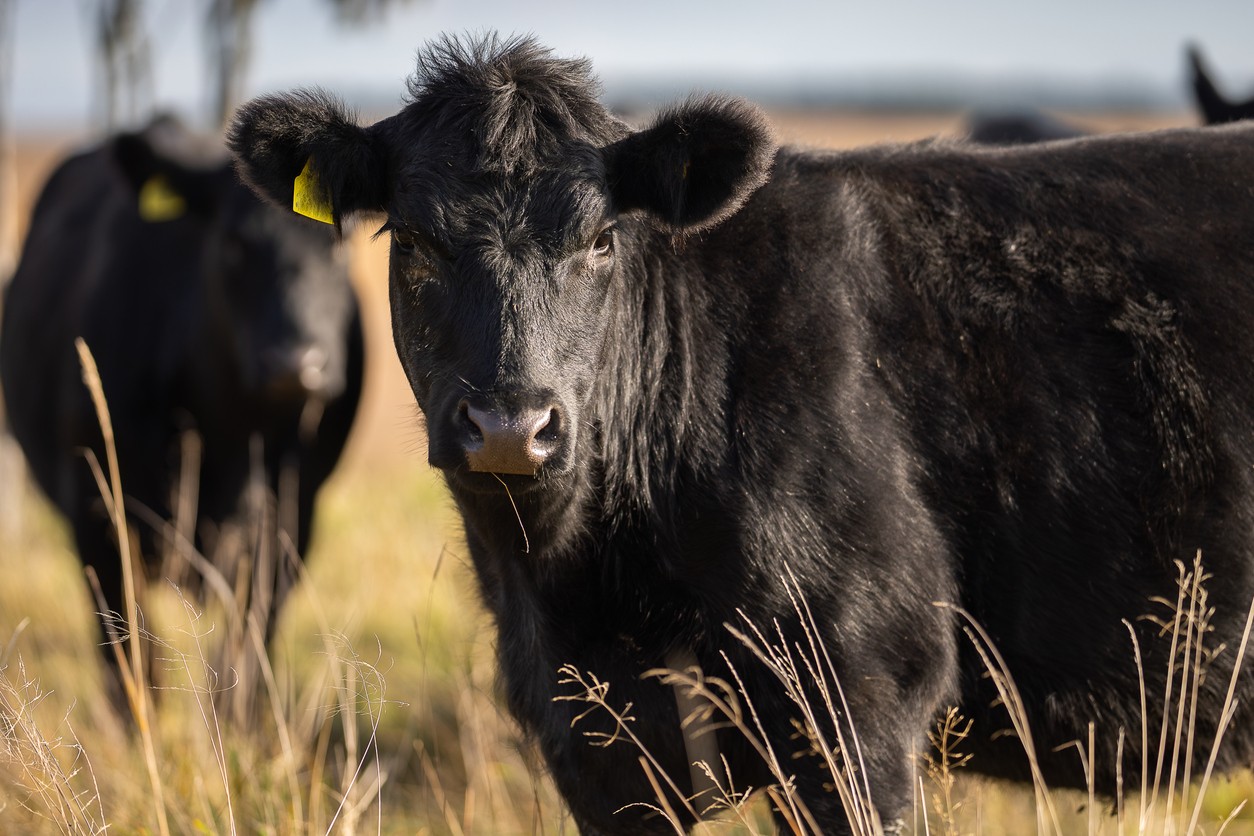
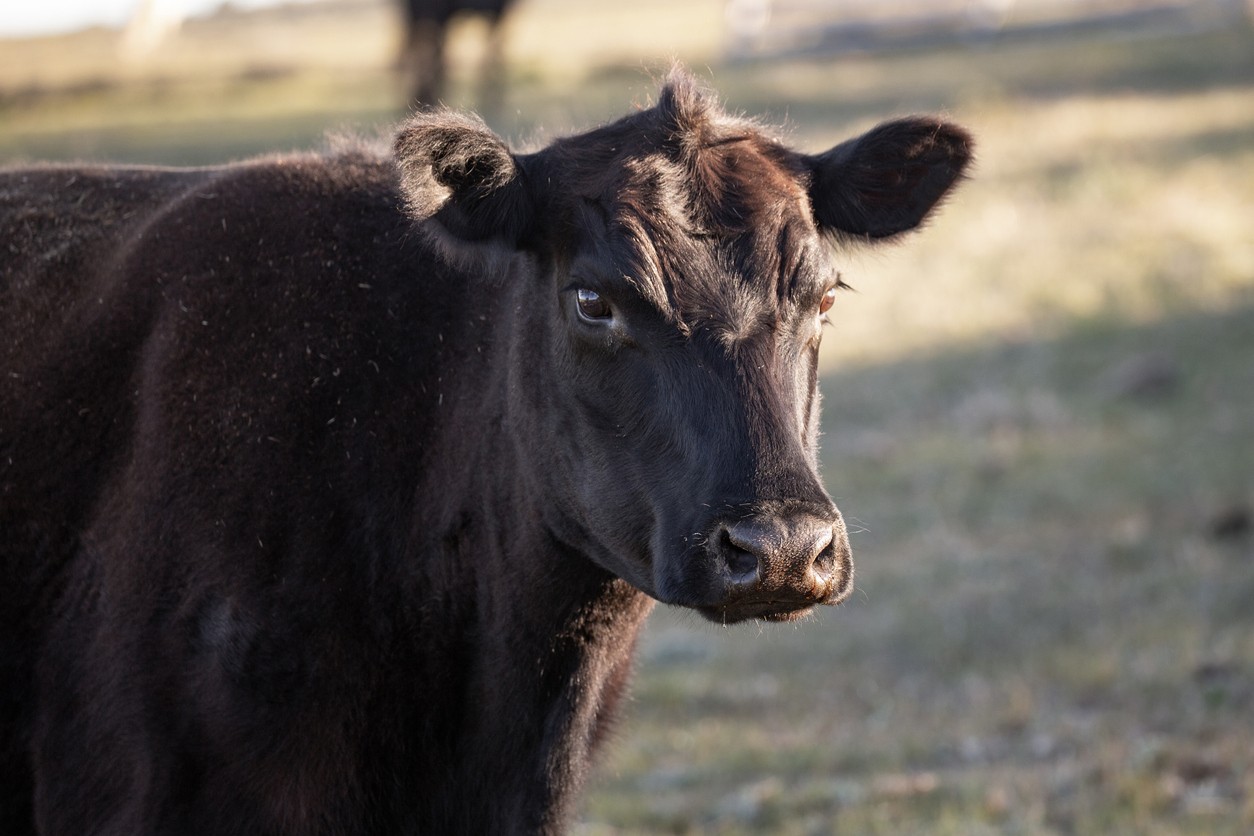
While a solid portion of those yardings were cows heading straight to processors, thousands upon thousands were young weaners leaving the
region to find greener feed.
So, where did they all end up and when can we expect to see them again?
The great migration across the borders
It turns out those young cattle went just about everywhere except within a 400km radius of our local saleyards.
As highlighted in a recent episode of The Week in Beef, the bulk of Northern NSW weaners headed off to capitalise on better
seasonal conditions across the country:
-
Western & Central Queensland: Benefited from a strong run of seasons and took in large numbers to background.
-
Southern NSW, Victoria & South Australia: Rebuilding their herds after tough conditions last year, southern restockers
stepped up to take advantage of the supply.
Essentially, our local weaners have been out on grass across the country, growing out into solid backgrounder and feeder stock over the
autumn and winter months.
What does this mean for Spring cattle prices?
The million-dollar question for local producers and buyers is simple: when do these cattle return to the system, and what does it mean for
the market?
-
Coming to market as feeders: Those weaners that moved north and south in February through April are now reaching heavier
weights. We can expect to see them re-entry the market over the coming months as ready-to-go feeder steers and heifers.
-
Tightening local supply: Because so many young cattle left the region early, local heavy feeder and prime stock numbers in
Northern NSW remain relatively tight. As southern and western buyers finish backgrounding, competition for quality local stock is expected
to stay active.
-
Eyes on the Spring seasonal shift: Market trends over the next quarter will largely depend on spring rainfall. If local
pastures recover, restocker demand will compete heavily with feeders looking to secure weight.
Takeaway for buyers:
Spring 2026 will reward buyers who act early securing feeder lines off grass before seasonal competition heats up, or taking advantage of
localized supply pockets before pasture growth drives restocker demand through the roof.
The vendor takeaway:
Patience and timing are key. Sellers holding lighter stock or replacement heifers stand to benefit from a restocker-driven market as spring
unfolds, while those with heavy feeders or finished stock continue to enjoy strong processor and feedlot competition.
Need advice on marketing your livestock?
Navigating shifting supply dynamics and national stock movements requires a clear strategy. Whether you are looking to background, send
cattle to the feedlot, or restock your paddocks for spring, the team at James Bradford Rural is here to help you make the right move.