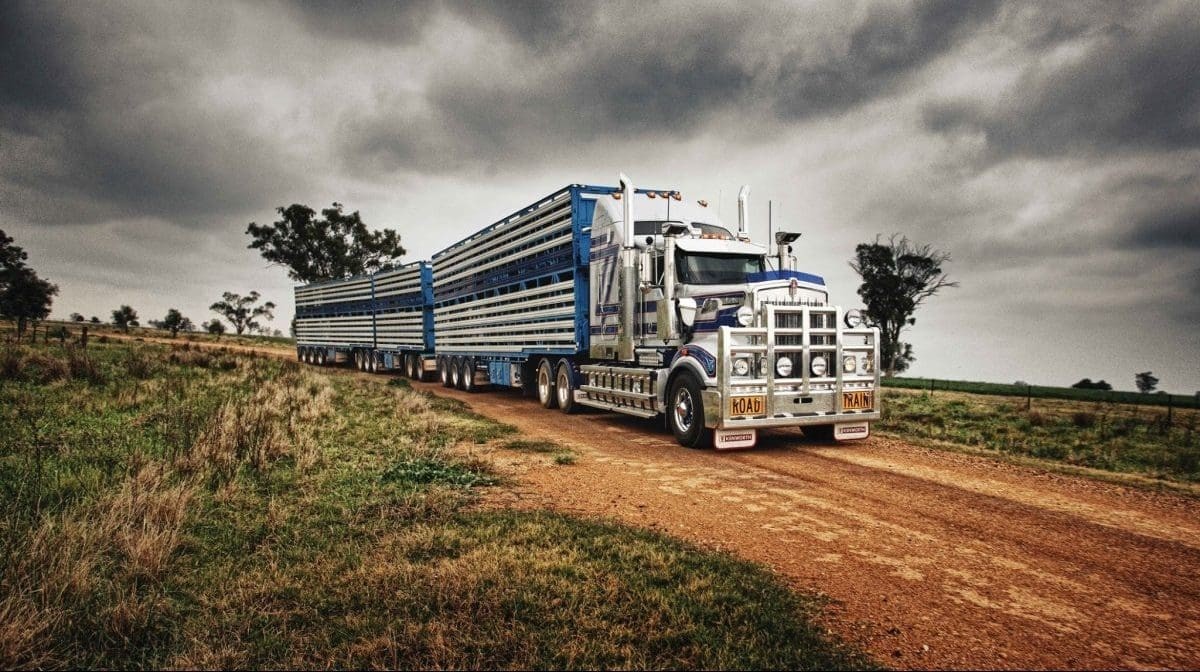
Speaking at a recent Meat & Livestock Australia and AgForce QLD field day in North Queensland, National Heavy Vehicle Regulator (NHVR) representative Andrew Gill warned that graziers remain legally responsible for the safe transport of livestock right up until the cattle are unloaded at their final destination.
“If a grazier thinks once they’ve loaded the cattle onto that truck and it leaves their boundary fence and it’s on the road, that’s the end of it for them, they’re sadly mistaken,” Mr Gill said.
“Everything that makes that vehicle safe to enter the roadway, safe for the driver and all other road users, must be in place and no one can delegate their primary duty to someone else.”
Key Risks for Cattle Producers
- Driver fatigue & scheduling: Booking a truck at short notice without allowing adequate rest breaks can put you in breach of the Heavy Vehicle National Law (HVNL).
- Load security: Even if you didn’t load the vehicle, you’re responsible for ensuring cattle are restrained and transported safely.
- Transporter compliance: Using “rogue operators” who ignore maintenance or fatigue rules can expose you to prosecution even if nothing goes wrong on the journey.
Real-World Consequences
Mr Gill shared case studies where businesses and individuals faced heavy fines and jail terms after failing to uphold their primary duty:
- A poorly restrained shipping container load resulted in a $75,000 fine for the consignor.
- A fencing company owner received a three-year jail sentence when a load fell and caused a fatal accident, despite not being the driver or loader.
Protecting Your Business
Graziers can reduce risk by:
- Using written contracts requiring hauliers to comply with all HVNL obligations.
- Training staff and contractors on on-farm loading and transport procedures.
- Choosing reputable carriers with strong safety records.
Penalties for serious CoR breaches are severe: up to $398,776 or five years’ imprisonment for individuals, and $3.98 million for corporations.
Bottom line:
As cattle producers, we are a vital link in the heavy vehicle safety chain. Everyone should come home from work safely and not at the cost of someone losing their life. We need to identify the risks, and mitigate them. When cattle leave our property, our responsibility doesn’t stop at the gate.
Know your obligations, choose carriers carefully, and keep your cattle and your business safe.
(Image Source Beef Central)