Changing Seasons Bring Higher Risk – and Higher Costs – for Cattle Health

Published: September 25, 2025
Changing Seasons Bring Higher Risk – and Higher Costs – for Cattle Health

Why BRD hurts your bottom line

BRD slows growth, increases veterinary bills, and can lead to death losses. Even mild cases mean fewer kilos on the truck come sale day. While vaccination programs, careful backgrounding, and experienced pen riders help, the industry is still chasing earlier, more reliable detection to stop losses before they start.

Technology shows promise - But isn’t there yet

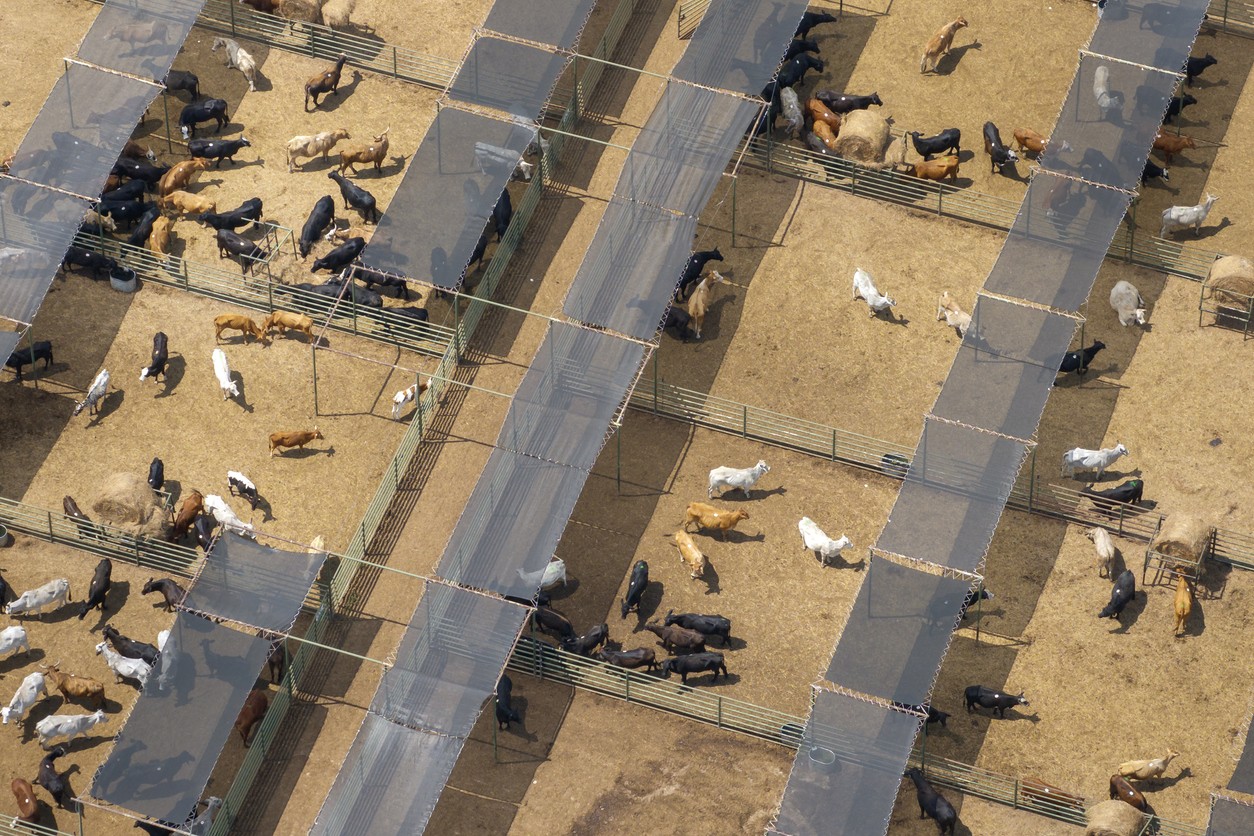
The Australian Lot Feeders’ Association notes steady improvement through better management and vaccines. Still, the “Fitbit for cows” solution remains elusive. JBS, the country’s largest lotfeeder, recently trialled smart ear tags to monitor temperature and feeding behaviour. The idea: support younger pen riders who may not have decades of stockmanship.

Early trials revealed problems, the tags caused minor abscesses and didn’t deliver consistent data, but the effort was far from wasted. Each trial builds knowledge and moves the industry closer to cost-effective, welfare-friendly monitoring tools.

What you can do now

  • Vaccinate and pre-condition cattle before sale or feedlot entry.
  • Work with experienced livestock handlers to catch symptoms early.
  • Keep nutrition and stress management front of mind as seasonal conditions change.

Healthy cattle are profitable cattle. As technology develops, these practical steps remain the best defence against BRD and the best way to protect your bottom line this season.

Previous post Previous post
Next post  Next post 

Related News

READ MORE
24 Jun

Why we need to look out for each other

You might have seen a few heavy stories hitting the media recently. Just this week, some pretty stark data was released at Parliament House showing what we already feel on the ground: rural communities are doing it tough. Between unpredictable weather, overlapping natural disasters, and skyrocketing input costs, the pressure is higher than it’s been in a decade.


Read more
READ MORE
17 Jun

Unified Front Needed as NSW Tick Fever Outbreaks Escalate

North-east NSW is facing a severe surge in cattle ticks and tick fever, and primary producers are bearing the financial and emotional brunt of the crisis. While official DPIRD data reports 285 infestations and 54 deaths this financial year, experienced cattlemen on the ground warn the real toll is well into the hundreds. Across the state, infested properties have more than doubled since late 2023, jumping from 218 to over 580.


Read more
READ MORE
10 Jun

A bold prediction for feeder cattle: Why the next 12 months could be huge for producers

If you’ve been watching the feeder markets over the last fortnight, you’ve likely noticed a massive shift in momentum. Feeder grids have surged by 30 to 50c/kg, pushing saleyard indicators to heights we haven't seen since 2022.


Read more

© James Bradford Rural 2026 | Privacy Policy |  Created by 2 Creative Media