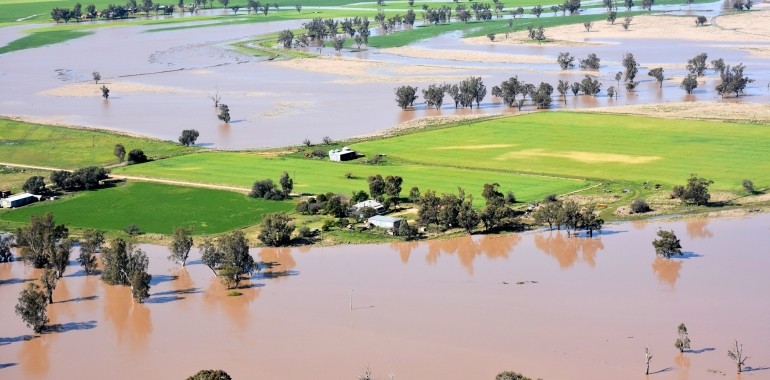
Gunnedah Shire Council Mayor Jamie Chaffey has called for immediate Federal and State assistance after the most recent flood event hit primary producers at a critical time.
Cr Chaffey said Gunnedah Shire was among 220 regions declared as natural disaster areas this year. In fact, 126 of New South Wales’s 128 local government areas have had natural disaster declarations within the last 12 months, according to the President of Local Government NSW, Darriea Turley.
Local Government NSW (LGNSW) and the Country Mayors Association of New South Wales have already declared a Statewide Roads Emergency and called on the Federal and State Governments for urgent help.
“This has been a challenging time for our community,” Cr Chaffey said. “Residents and business owners have had to clean up again and again, people have been isolated, some have been unable to get to work or to training or to school.
“These seemingly relentless weather events take a toll, not only economically, but on every area of people’s lives.
“We are also very concerned about our primary producers who have come through the drought only to have wave after wave of floods. This latest flood hit at a time when crops are ready to be harvested and farmers have a short window to sow their summer crops, including cotton, which is the single largest contributor to our agricultural outputs.
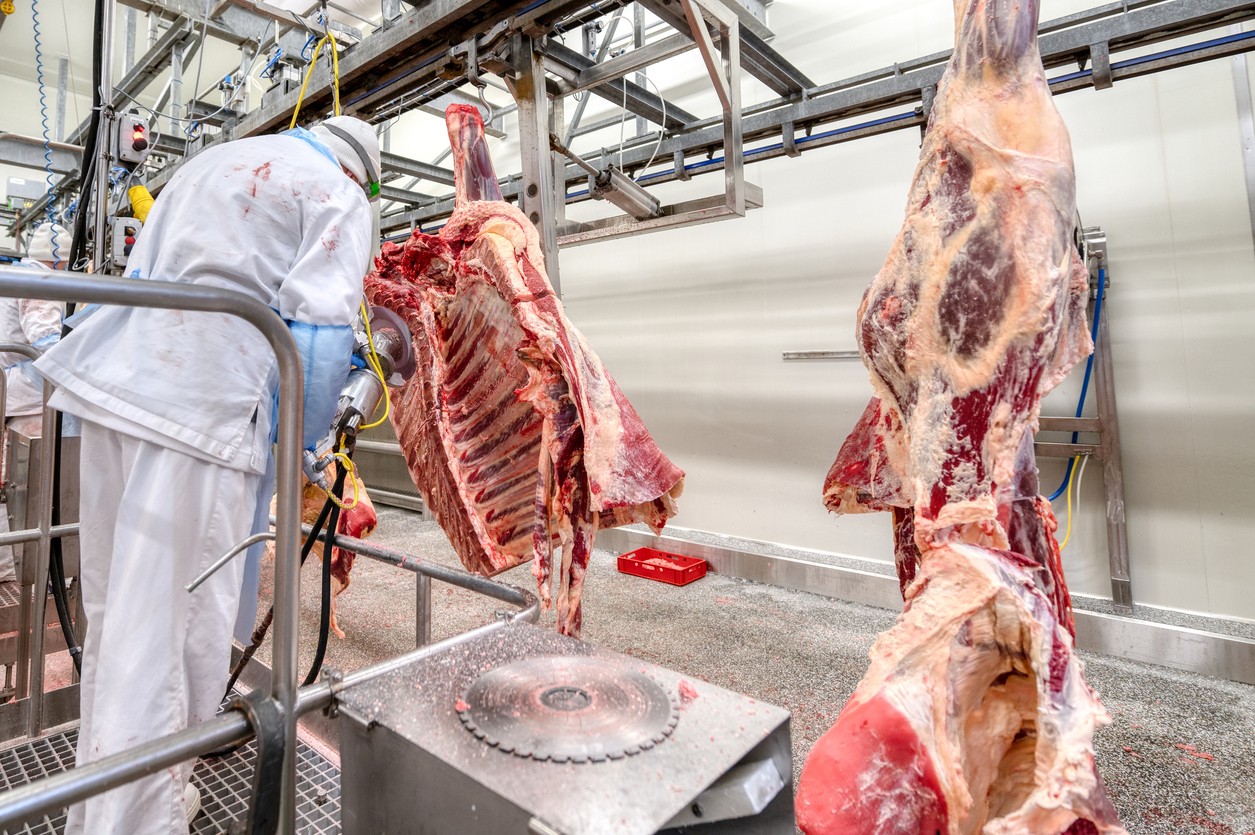
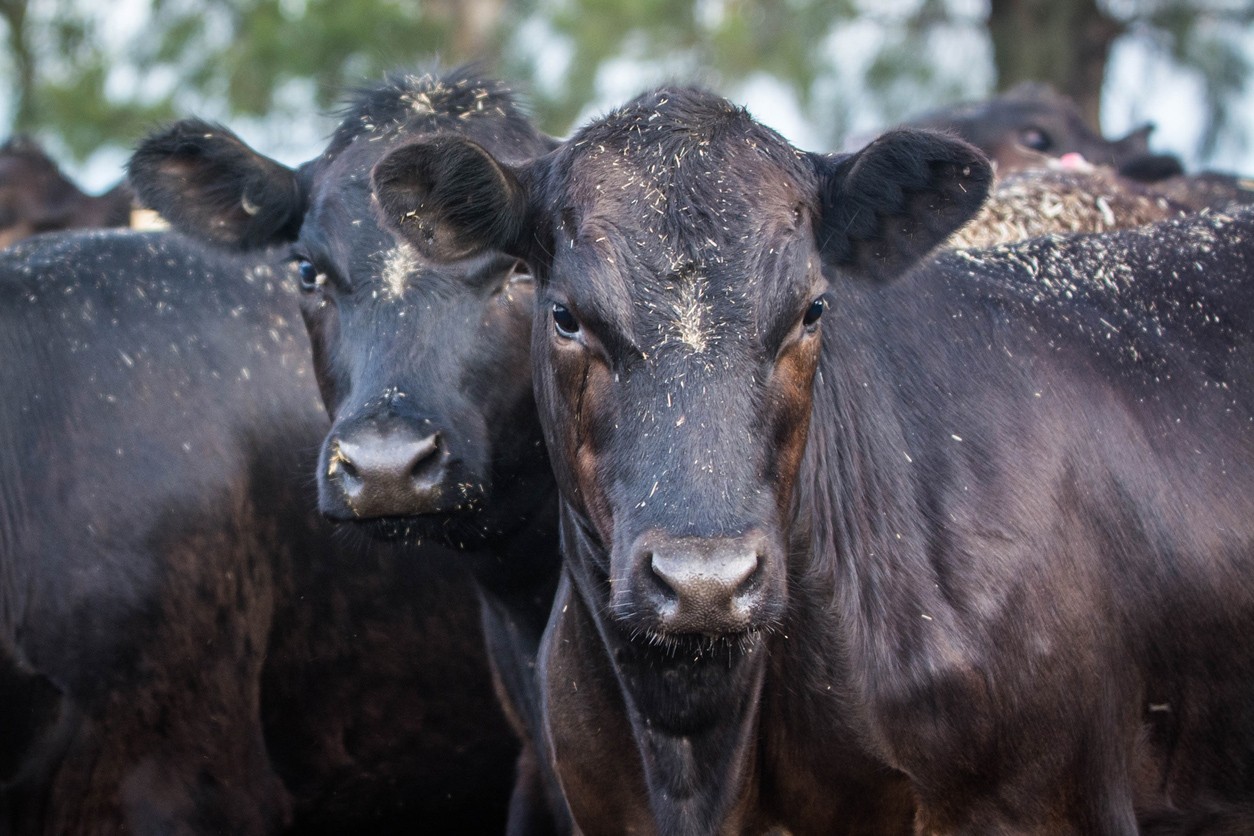
“People with livestock need to get them to market. The local and regional road network is critically-enabling infrastructure.
“It is heartbreaking to think that our farmers might have come through this with a crop or healthy livestock, but can’t harvest or get their goods to market. Agriculture remains a lifeline to our community, and we need to support our primary producers for generations to come.”
Cr Chaffey said once floodwaters dispersed, it was not a simple matter of opening roads. Roads needed to be assessed to ensure they were safe for traffic, and to gauge whether 4WDs and heavy vehicles were going to cause irreversible damage. Catastrophic damage to the roads network could carry with it a generational financial burden.
“We know what our community needs, but it is beyond the scope of any local government authority to do this alone,” he said.
“Yes, we need financial assistance. We also need people, plant and equipment to get this sorted. We need our Federal and State leaders to lead.
“We absolutely support our peak bodies the LGNSW and the Country Mayors Association of NSW. We need help, and we need it now.”
Gunnedah Shire Council has called on the State Government through Member for Tamworth Kevin Anderson for funding for an urgently needed flood mitigation study for Gunnedah Shire to bring forward a list of recommendations.
Mr Anderson has also announced he is seeking an expansion of the Infrastructure Betterment Fund to include all natural disaster events that have impacted Gunnedah Shire. This would commit funding to the repair and rebuilding of public assets.
Credit: Gunnedah Shire Council