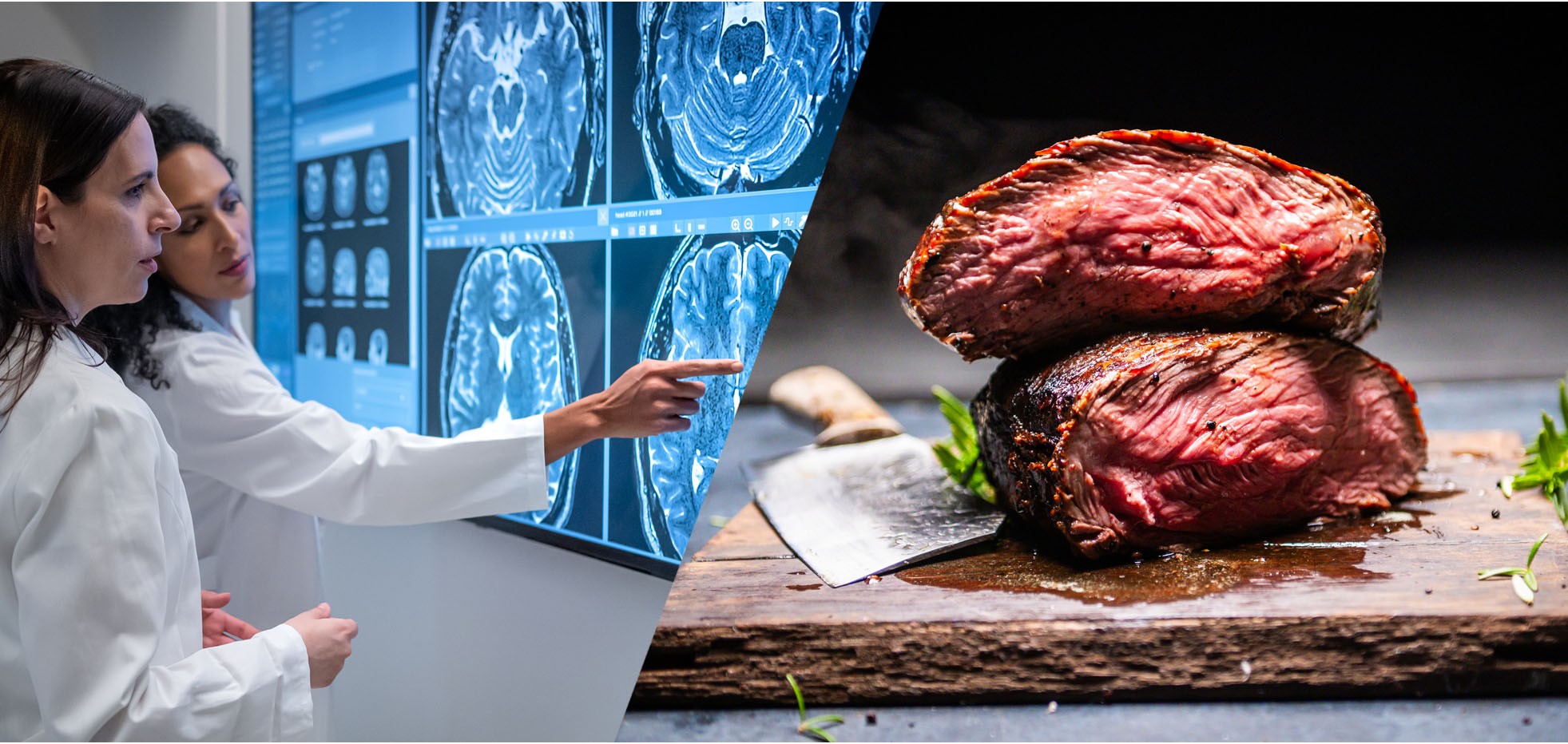
Is it time we stopped calling meat "just protein"?
Published:
November 17, 2026
When you talk about red meat at a dinner party or read about it in the mainstream press, the conversation almost always boils down to a
single word: protein. It’s the quick label we slap on a steak or a lamb chop when comparing it to a bowl of lentils or a
plant-based burger.
But what if, in doing that, we’re actually underselling one of the most nutrient-dense foods on the planet?
That certainly was the thought-provoking challenge put to the crowd at last week’s Societal Role of Meat conference in Geelong.
Speaking to the room was Dr Adegbola Adesogan from the University of Florida a researcher who grew up in Nigeria before working across the
UK and the US, and who has spent the last twelve years studying childhood malnutrition and growth stunting.
Dr Adesogan offered a perspective that cuts right through the usual noisy debates around diet and agriculture.
In wealthy nations like Australia, cutting back on meat is a lifestyle choice. In many parts of rural Africa and Asia, however, millions
of people live on near-vegan diets simply because they have no other option.
And the consequences are sobering. Childhood stunting, where kids might get enough calories to fill their bellies, but miss out on critical
micronutrients, doesn't just affect their height. It holds back brain development, carries lifelong health risks, and, according to World
Bank figures, can drag down a nation's entire GDP by an average of 7 per cent. Even here in Australia, around 2 per cent of children
experience stunting a number Dr Adesogan argues is still far too high when you consider what’s at stake for a developing mind.
So, what’s the missing piece of the puzzle?
According to Dr Adesogan, it comes down to bioavailability how easily a growing brain can actually absorb and use the nutrients we eat.
He points out, you can certainly get iron from spinach, provided you’re willing to sit down and eat 2.5 kilograms of it. Or, you can
eat a small serving of liver and get what your body needs in a few bites. Animal-sourced foods don't just pack higher concentrations of
brain-building micronutrients like iron, zinc, and B12; they deliver them in a natural package the human body is wired to absorb
effortlessly.
A case study to prove it
Dr Adesogan shared the results of a fascinating two-year study on schoolchildren in Kenya. The kids were already getting plenty of calories
and plant protein from beans and corn. Researchers simply added a tiny, matchbox-sized portion of meat to their daily diet.
The result?
Over two years, the kids weren't just more active and showing stronger leadership in the playground, their academic test scores jumped by an
average of 45%. (A similar group given milk saw a 28% lift).
It raises an interesting question for how we talk about agriculture and nutrition here at home. Should we stop calling our product
"animal protein." By reducing meat to a single macronutrient, we accidentally imply it’s easily interchangeable with anything else on the
shelf. Instead, should we start recognising animal-sourced foods for what they really are: brain superfoods.
Of course, changing how people think about food is never straightforward.
Whether you’re a producer in the paddock, a parent packing school lunches, or simply someone trying to make sense of modern nutrition, Dr
Adesogan’s message is worth chewing over. Livestock isn't just about filling a plate or hitting a daily protein target. When we look at the
bigger picture, what we produce on the land plays a foundational role in human potential and maybe it’s time we started talking about it
that way.
What’s your take? Do you think the Aussie ag industry does a good enough job explaining the full nutritional story of red meat, or do we
get too caught up in the protein debate?
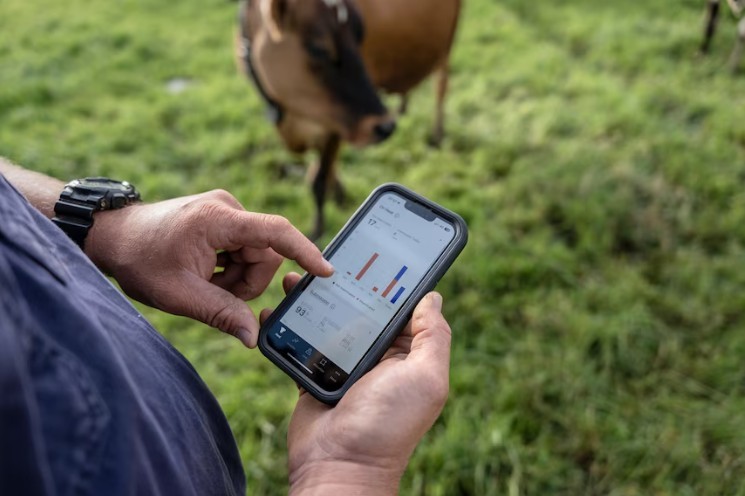
Virtual fencing technology has been quietly bubbling away in Australian AgTech for a few years, but it’s fast moving from experimental trial
paddocks into real-world, commercial country. With regulatory approvals opening up across states like Western Australia,
Tasmania, NSW, and Queensland, it won’t be long before smart collars become as common on property as traditional hot wire.
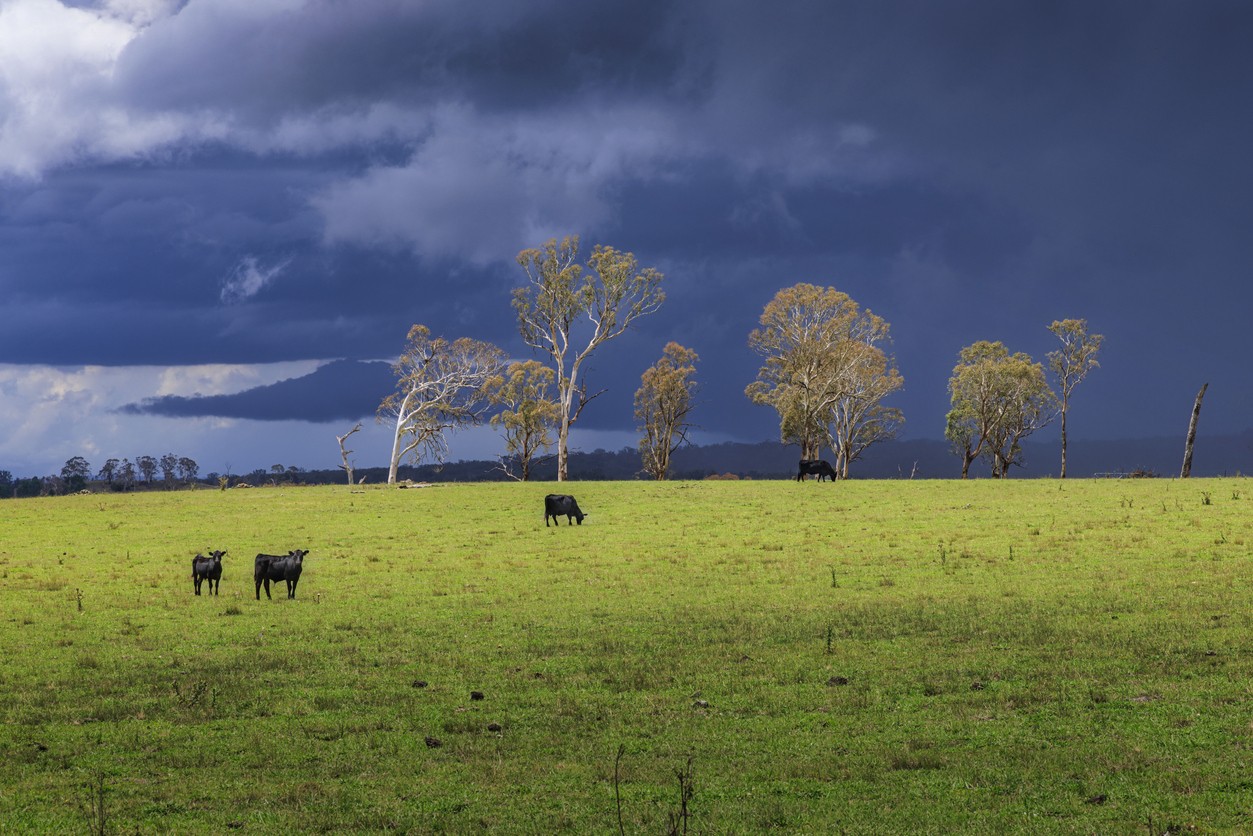
Moisture in the ground changes more than just pasture, it shifts market psychology.
After months dominated by dry forecasts and looming concerns over a Super El Niño, recent rainfall across eastern grazing regions has
completely flipped the script and we can't deny, it's put a smile on our faces.
Paddocks are greening up, and instead of rushing cattle through the gates, producers across NSW might be making the strategic call to hold
stock back, add weight, and target early 2027.
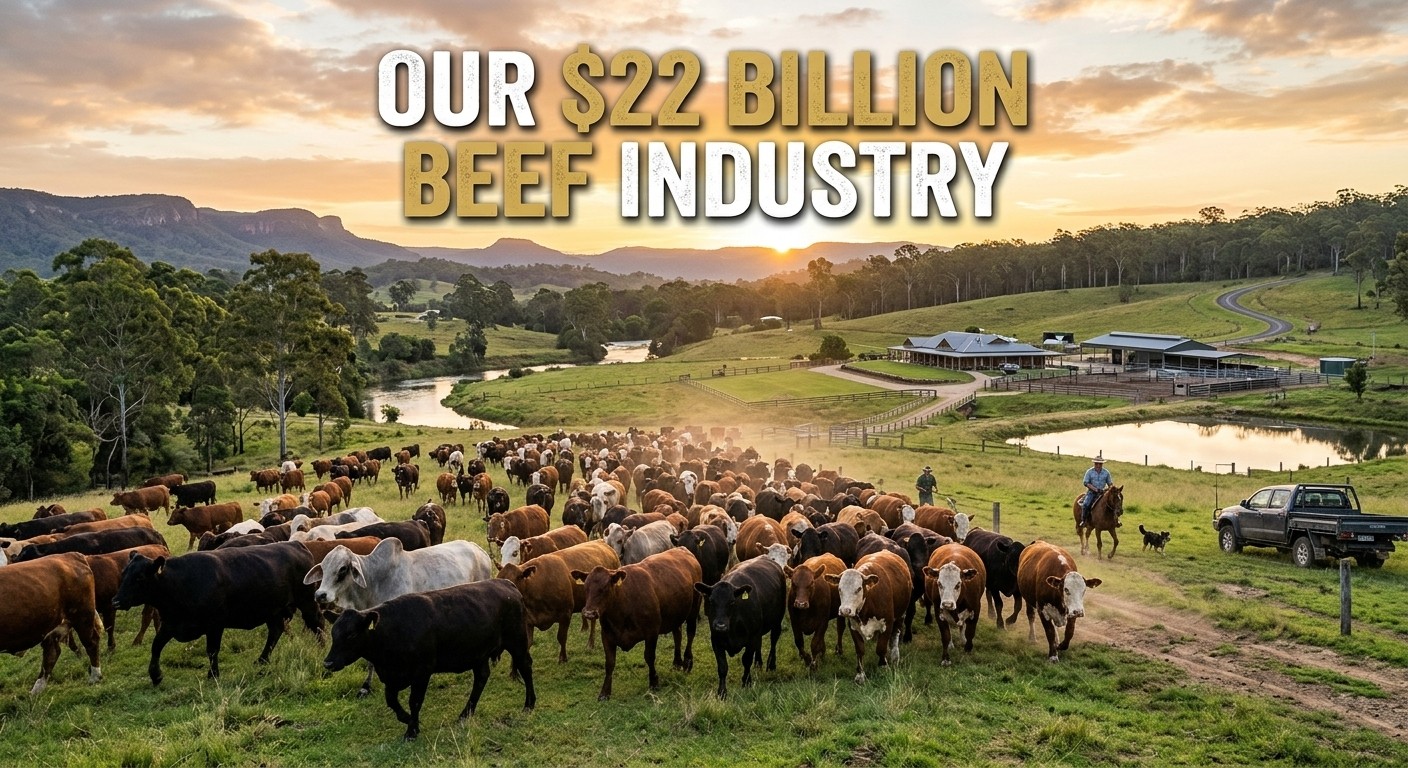
Investing in the volunteers behind our $22 billion beef industry
Coming from Gunnedah, you get a real appreciation for the backbone of regional communities. Look around any town across regional Australia,
and it’s almost always the same handful of people putting their hands up. Whether it’s running the local show, organising community events,
or putting in countless hours standing up for our agricultural industries, these unsung champions give up their own time day after day to
keep things moving forward.