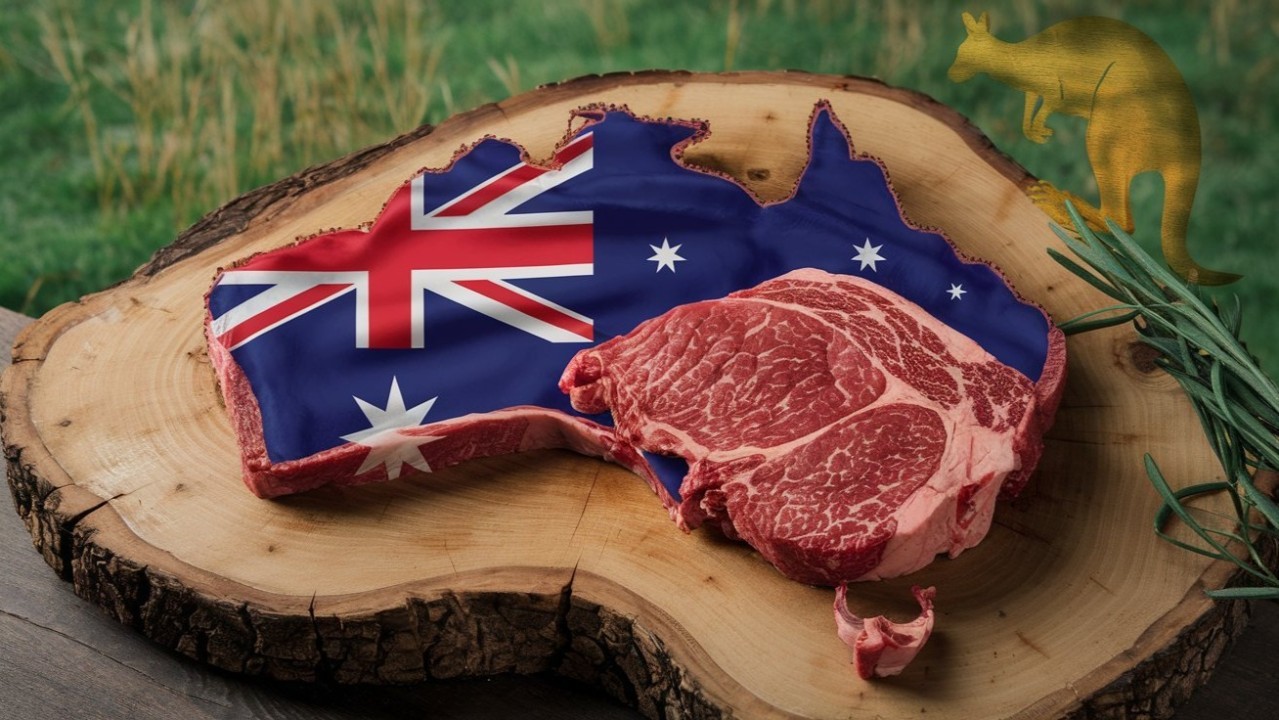
Certainly if the current pace continues, Australia is on track to set a new all-time record for beef exports, reaching around 1.45 million tonnes by the end of the year.
So, what’s driving this incredible demand and what does it mean for our producers, processors, and regional communities?
Why the World Needs Australian Beef
The global beef market is shifting, and Australia’s in the perfect position to take advantage.
In the United States, cattle numbers have dropped to 70-year lows after drought, leading to a sharp decline in domestic beef production. As a result, American buyers are turning to Australia to fill supermarket shelves and restaurant menus.
This shortfall in US production has also opened doors for us in other key markets like Japan, China, and South Korea where Australian beef is stepping up to replace lost US supply.
Meanwhile, countries like Brazil are facing heavy export tariffs and drought recovery issues, making their beef less competitive internationally which becomes another win for Australia.
Stronger Supply, Smarter Production
Back home, our Australian processors are making the most of strong cattle supply particularly from the northern regions and increased processing capacity.
According to Meat & Livestock Australia projections, national slaughter numbers are expected to reach 9 million head by the end of December 2025, up nearly 9% on last year.
Queensland, with its well-developed herd after several good seasons, has been the powerhouse of this year’s production, keeping processing plants across the east coast humming.
And while we’re not running the massive drought-driven turnoff seen a decade ago, we’re producing more beef thanks to heavier carcase weights and growth in grainfed cattle.
Grainfed exports alone hit 41,000 tonnes in October which is up 27% on the same time last year.
A perfect storm of opportunity
This year’s export boom comes down to a combination of factors:
- Low US cattle numbers driving demand for imported beef.
- High tariffs on Brazilian beef making it uncompetitive.
- Limited access to China for many US suppliers.
- Strong global appetite for beef, even as prices rise.
It’s what some are calling a “perfect storm” but in our case, it’s a storm of opportunity.
Key markets leading the way
Australia’s four biggest beef customers ( US, Japan, China, and South Korea ) all continue to show strong demand.
- The United States imported 41,500 tonnes in October, and is likely to surpass 400,000 tonnes for the year which is a milestone seen only once before.
- Japan took 26,800 tonnes, up 18% on last year.
- China imported 20,200 tonnes, almost 20% higher than a year ago, as trade access issues limit other suppliers.
- South Korea, while slightly down due to tariffs, remains a major buyer with 182,000 tonnes so far this year.
- Smaller but growing markets like Canada and Indonesia are also showing strong interest, with Canada’s imports up 78% on last year.
Looking ahead: A bright future for regional Australia
For those of us living and working in regional Australia, these figures are more than just trade statistics, they’re a reflection of hard work, good seasons, and world-class standards.
Every container of Australian beef heading offshore represents jobs, investment, and confidence flowing back into our rural communities.
With the global herd in rebuild mode and demand only set to increase, the next couple of years could be some of the strongest yet for our Australian beef.
Our challenge and our opportunity will be to stay focused on quality, sustainability, and supply consistency to keep Australia at the top of the world’s beef trade. Because when the world asks, “Where can we find the best beef?”, it’s great to know the answer is right here at home.
Image source: Red Meat Market Analyst
Content source: Beef Central