Tariff pressures mount on Australian beef as Chinese and Korean quotas evaporate
The Australian red meat sector is facing an unprecedented export bottleneck heading into the back half of 2026, as roaring domestic
production collides head-on with international trade safeguards.
In a staggering acceleration of trade volumes, Australia is on the verge of being effectively taxed out of its second and fourth largest
global beef markets simultaneously. Just two weeks after the triggering of a massive 55% tariff into China, South Korea is now poised to
slam its own financial brakes on Australian supply.
On Tuesday, Australia officially exhausted 90% of its South Korean beef quota for 2026. At the current breakneck pace of trade, the
196,000-tonne quota is expected to be completely filled in mid-July, a full six weeks earlier than last year. To put the velocity of this
year's market into perspective, this critical safeguard was triggered in mid-September last year, late October in 2024, and early December
the year before.
Once the remaining 19,000 tonnes are cleared this month, Australian beef entering South Korea will see tariffs instantly rocket from a
comfortable 5.3% up to a punitive 24% for the remainder of the year.
A tale of two tariffs
The looming Korean tariff adds to an already hostile environment in China, where Australian exporters are already grappling with a crushing
55% tariff activated a fortnight ago when our 205,000-tonne Chinese quota was breached.
The drivers behind this rapid-fire quota depletion are twofold:
-
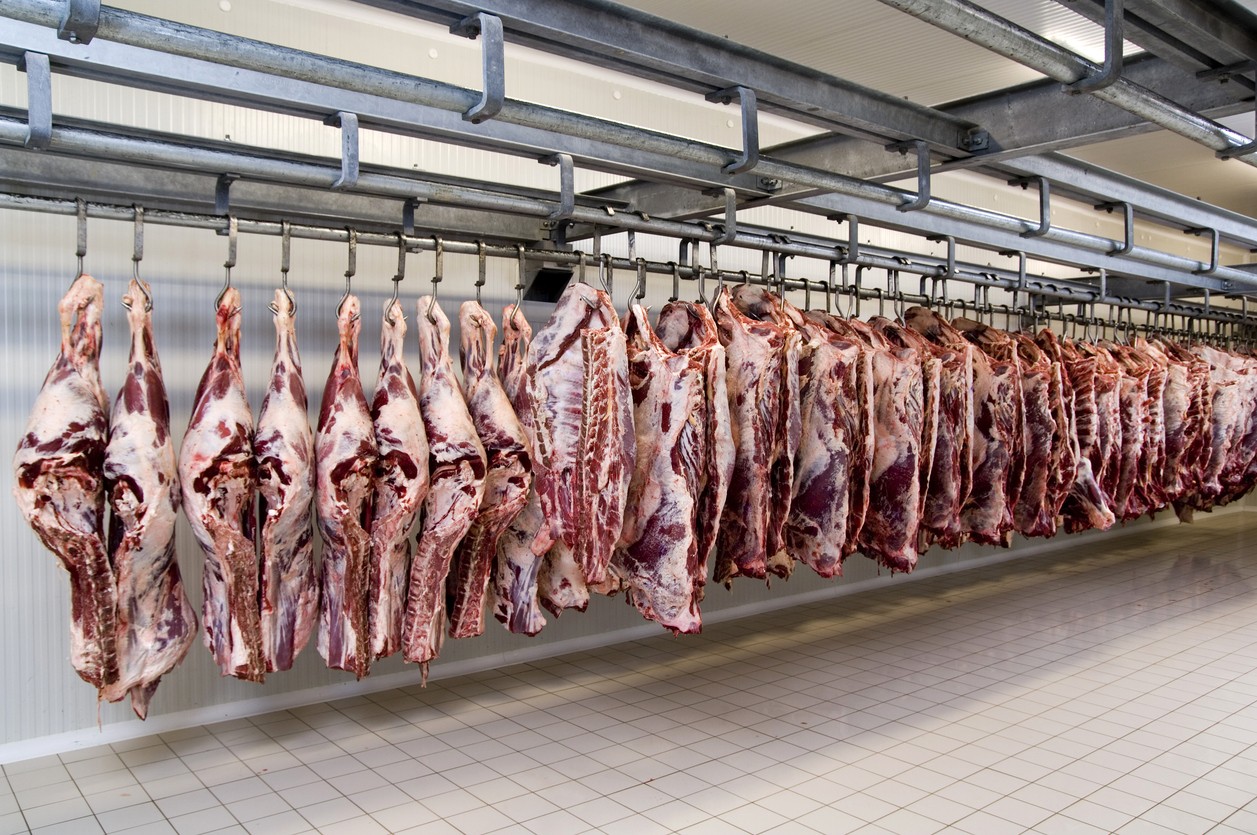
High slaughter numbers and excellent seasonal conditions have kept Australian processing plants running at peak capacity.
-
The United States traditionally a fierce competitor in North Asia remains structurally crippled by a domestic beef herd
sitting at 70-year lows, leaving a massive global supply gap that Australia has rapidly filled.
However, the financial consequence of this success is sobering. Effectively, our second and fourth largest export markets now carry a much
greater tax burden for the remainder of the year, a prominent trade source noted this week. Last year, China took 272,000 tonnes of
Australian beef (second only to the US), while South Korea imported 221,000 tonnes. For the rest of 2026, moving volumes of this scale will
become a vastly more expensive exercise.
So who will feel the pinch?
While the combined impact of the dual tariffs is yet to fully filter down to the farmgate, trade analysts warn it will inevitably dull
demand and place downward pressure on pricing.
According to a market summary from Meat & Livestock Australia (MLA), the pain of the tariff spike will not be distributed evenly:
-
Major retail giants and large-scale foodservice chains in Korea have already forward-contracted and secured significant
supply for the rest of the year, protecting them from the tariff cliff.
-
The pressure will fall squarely on smaller importers and distributors. Compounded by a currently weak Korean won, the
landed cost of Australian beef will become too heavy for many small businesses to absorb.
-
Just as we saw last year, a significant portion of the tariff increase will likely be passed directly down to the Korean consumer, making
Aussie beef more expensive on the shelf.
The road ahead for the remainder of 2026
Despite the looming mid-July trigger, market behavior is expected to mirror previous high-tariff cycles. Savvy international importers are
already pivoting to a "forward buying" strategy.
We are likely to see a massive surge in orders toward the end of the calendar year, with boats lining up to hold product in bonded
warehouses. This allows importers to clear the beef on January 1, 2027, immediately taking advantage of the reset, lower duty rates under
the Korea-Australia Free Trade Agreement (KAFTA).
Additionally, the price of Korea’s premium domestic beef (Hanwoo) is forecast to rise toward the end of the year. Because Hanwoo
competes directly with Australia’s premium long-fed grain product, Korean consumers are facing a costly winter with higher prices across
both domestic and imported categories.
For Australian producers, the remainder of 2026 will be a test of resilience. While the global appetite for our beef
remains undeniable, the financial friction of navigating these heavy tariff walls will force exporters to look closely at market
diversification and could test the stability of the local cattle market in the months ahead.