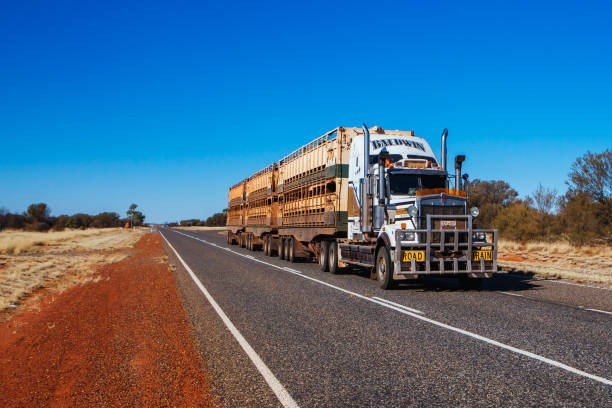
Meat & Livestock Australia launched a one-stop shop for livestock transport information at this week's National Conference of the Queensland and Australian Livestock Transporters' Associations in Toowoomba.
The MLA Transport hub, created in consultation with the livestock transport supply chain, assists in navigating rules, roles, and responsibilities for livestock transport throughout Australia.
Sharon Dundon, MLA project manager for animal wellbeing and rural transporter, described the hub as a proactive and collaborative effort to help everyone in the supply chain understand how to properly prepare livestock for transportation.
"We met with transporters, agents, lot feeders and producers in 2023 to find out how we can continue to improve the livestock transport process," she said.
“There was united agreement in the need for a central location for livestock transport information leading to the development of the Transport hub.”
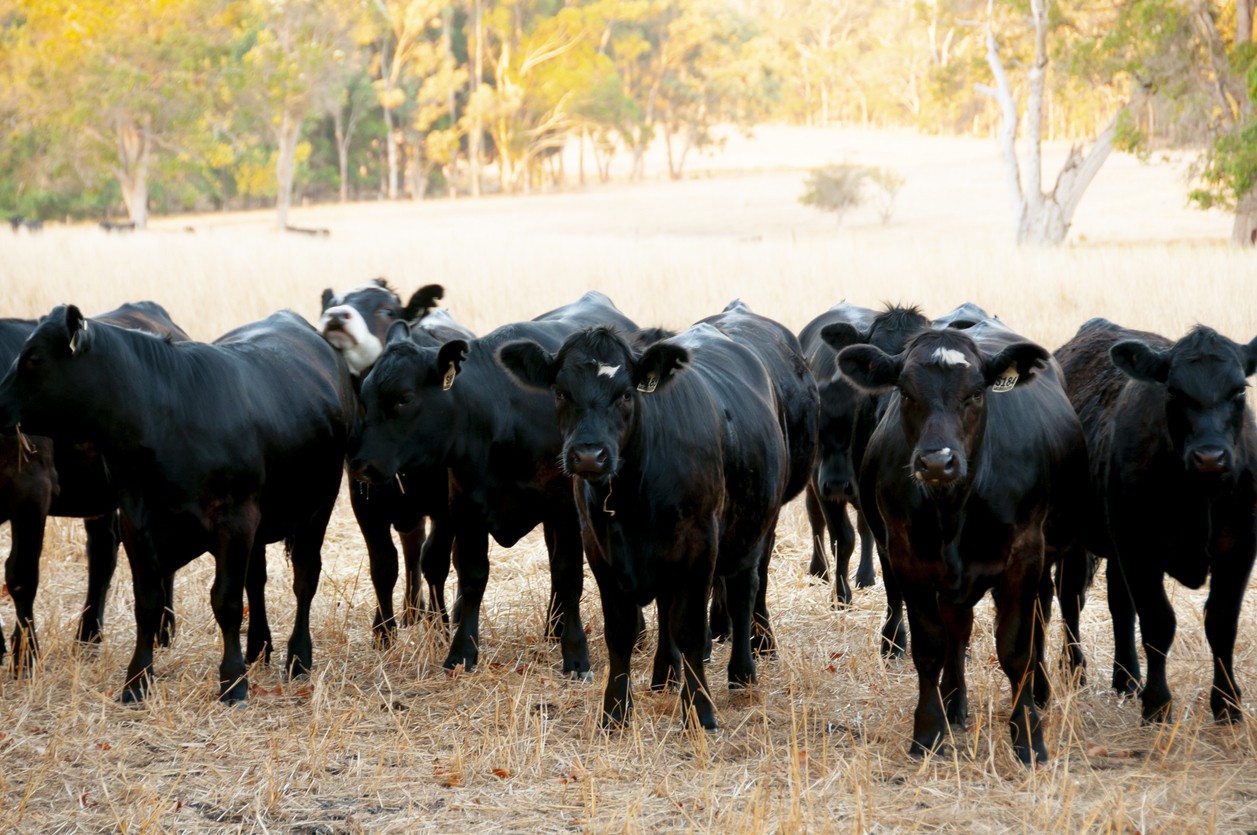
The hub contains information on transporting cattle, sheep, and goats by road in Australia, as well as specific advice for different animal classes and links to other relevant websites.
“We will continue to refine the hub as we receive feedback from users. We want it to be relevant, easy to access and useful for people needing to transport livestock every day,” Ms Dundon said.
Athol Carter, Vice President of the Australian Livestock and Rural Transporters Association, said the hub demonstrated how supply chain parties were taking the initiative and collaborating to achieve the best outcomes for the animals in their care.
“Transporting and handling livestock is a specialist task and one which the whole supply chain relies on to be performed safely, efficiently and professionally,” Mr Carter said.
“Well planned and managed livestock transport delivers the best results for people and animals, higher profits and ensures the sustainability of the industry."
“The Transport hub is going to be especially valuable in helping producers understand how they can work with transporters and the rest of the supply chain to achieve best practice."
Using new and existing resources, the hub equips producers with tools to identify and implement best practice in dispatching and receiving stock, including the latest industry trends, hands on practical advice and scientific research.
See the transport hub here.
(Source: Beef Central)