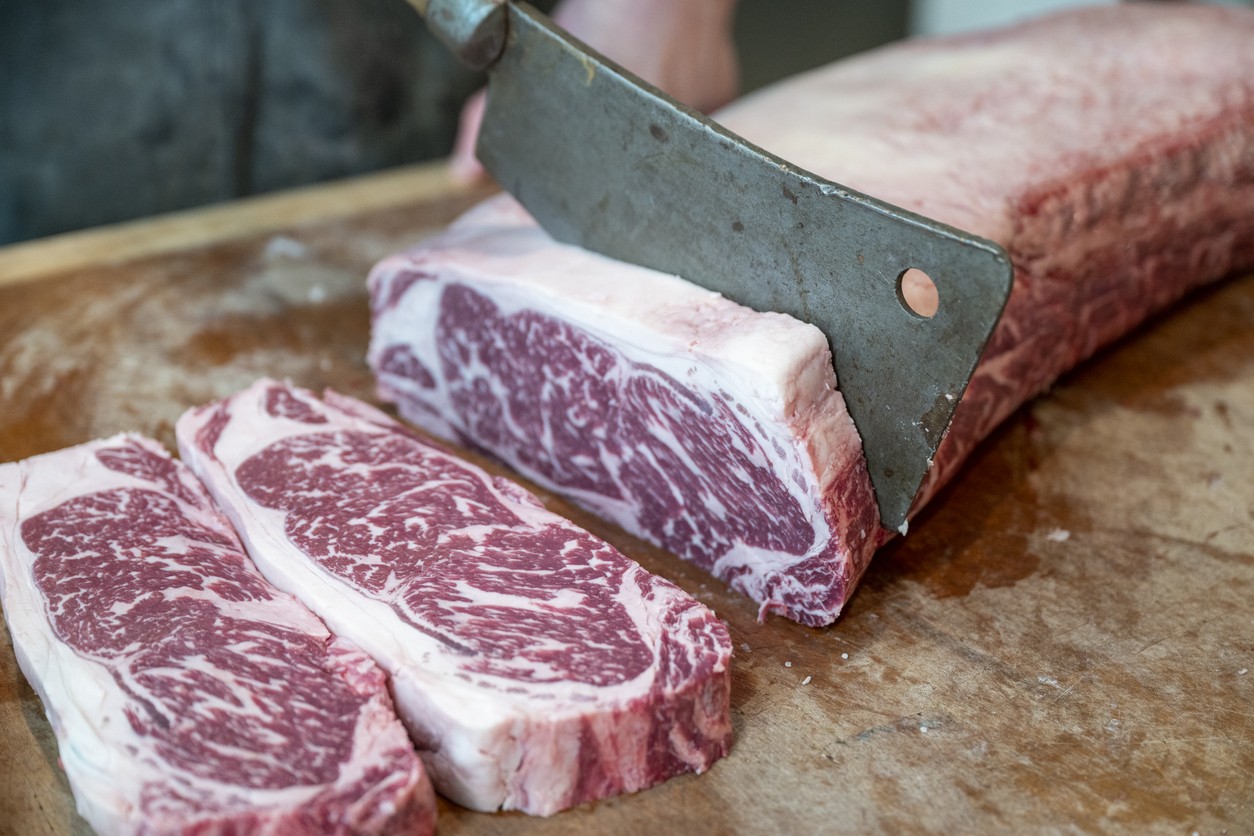
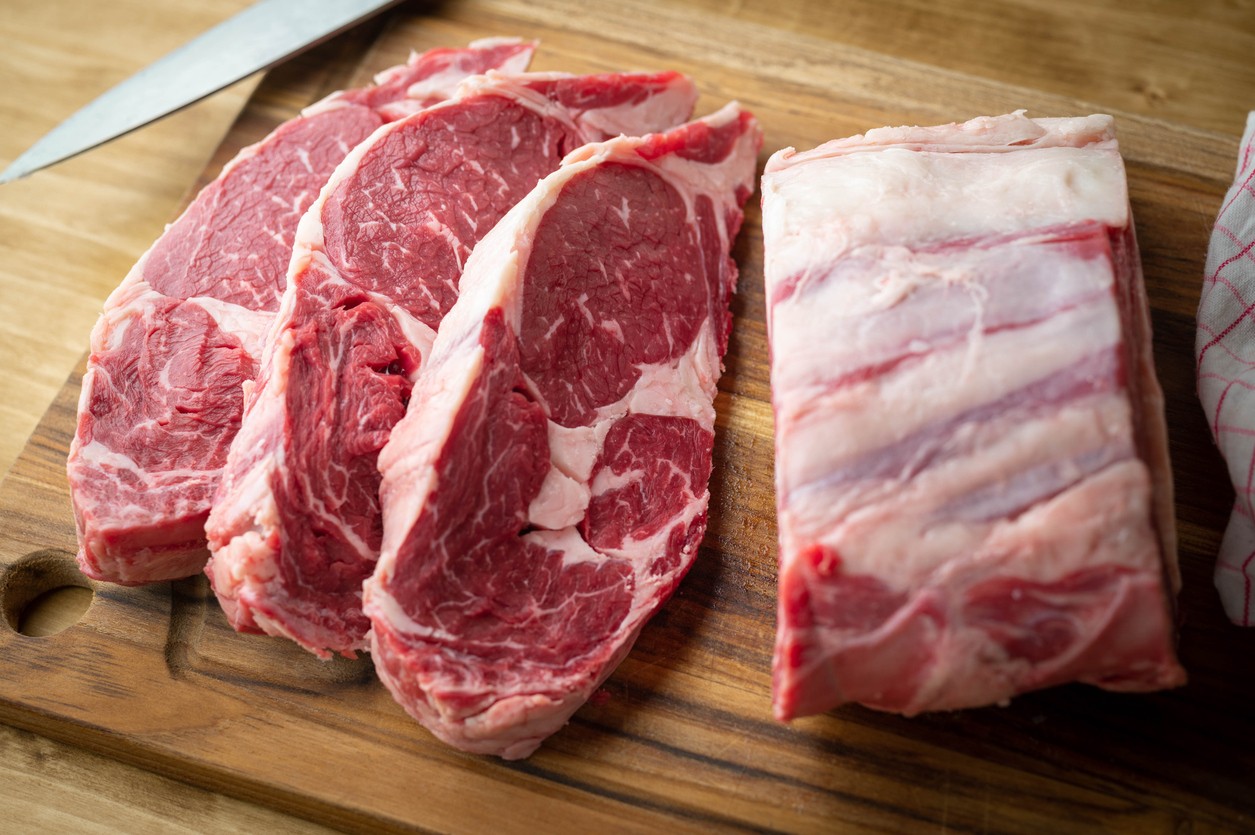
The Middle East isn't our biggest market by volume, but it is one of our most lucrative. It takes about 10% of our sheepmeat and 3-4% of our beef, much of it high-end grain-fed product destined for luxury hotels and restaurants in Dubai, Qatar, and Saudi Arabia.
Because much of this is chilled product with a very short shelf life, it usually travels in the bellies of passenger planes. With airspace currently a 'no-go' zone, that trade has effectively stopped overnight. If this lasts more than a week, we’ll start seeing that high-end product being diverted into other markets, which can get messy for our processors and impact local prices.
Why fuel and fertiliser are spiking
The real elephant in the room for Aussie farmers is the Strait of Hormuz. It’s a narrow stretch of water that carries 20% of the world’s oil and a huge chunk of the world’s urea (the base for nitrogen fertiliser.
- Fuel prices - We’ve already seen oil prices jump by 8-13% this week alone. In Australia, that usually filters through to the bowser within 7 to 10 days. Economists are warning that if the Strait stays closed for a month, we could see petrol and diesel prices jump by 25 to 50 cents a litre, or even more if the conflict drags on.
- Fertiliser costs - This couldn't come at a worse time. With winter crop planting just around the corner and good recent rain driving demand, any disruption to urea supplies from the Persian Gulf will send prices north very quickly.
The ripple effect on the whole economy
It’s not just the farm gate that feels the pinch. When diesel goes up, everything goes up.
- Transport & groceries: Almost every piece of food in Australia spends time on a truck. Higher diesel costs mean higher freight surcharges, which eventually land on the supermarket shelf.
- Interest rate risks: The Reserve Bank (RBA) is watching this like a hawk. Higher fuel prices drive up inflation, and RBA Governor Michele Bullock has already warned that if these supply shocks stick around, it makes the path for interest rate cuts much harder to find.
The Bottom Line
If this conflict is a 'flash in the pan' that resolves in a few days, the impact will be a blip. But as one frustrated meat trader put it, it's currently an "incredible messiness" that we didn't need.
For now, the advice is to keep a close eye on your input costs and keep monitoring the situation, but try and stay posittive. While the clouds of conflict and rising costs may dim the immediate view, Australian producers who know how to weather a storm, ensuring the sun will continue to shine on the Australian bush.