What an active El Niño means for Regional NSW Livestock & Feed (26/27)
Here is a breakdown of what to expect from an active El Niño period and how it will impact feed and water reserves, and the key
livestock decisions to prioritise.
What to expect from an active El Niño in late 2026 & early 2027
An active El Niño alters Australia’s typical weather patterns, shifting rainfall away from the eastern continent:
- Below-average spring & summer rainfall
- Elevated daytime & heatwave temps
-
Increased risk of early frosts followed by heat: Clearer skies in early spring can increase late-season frost risks in
low-lying areas, immediately followed by rapid heat spikes into November.
-
Extended dry spells: Summer storm activity will likely be more isolated, making broadscale rainfall events less frequent
through early 2027.
Direct impact on pastures & water supply
| Asset / Resource |
Impact under El Niño Conditions |
Recommended Management Action |
| Native & Improved Pastures |
Spring growth window will be shorter. Pastures will head to seed early and lose nutritional value rapidly as heat sets in. |
Lower stocking pressure early to preserve ground cover and protect root architecture. |
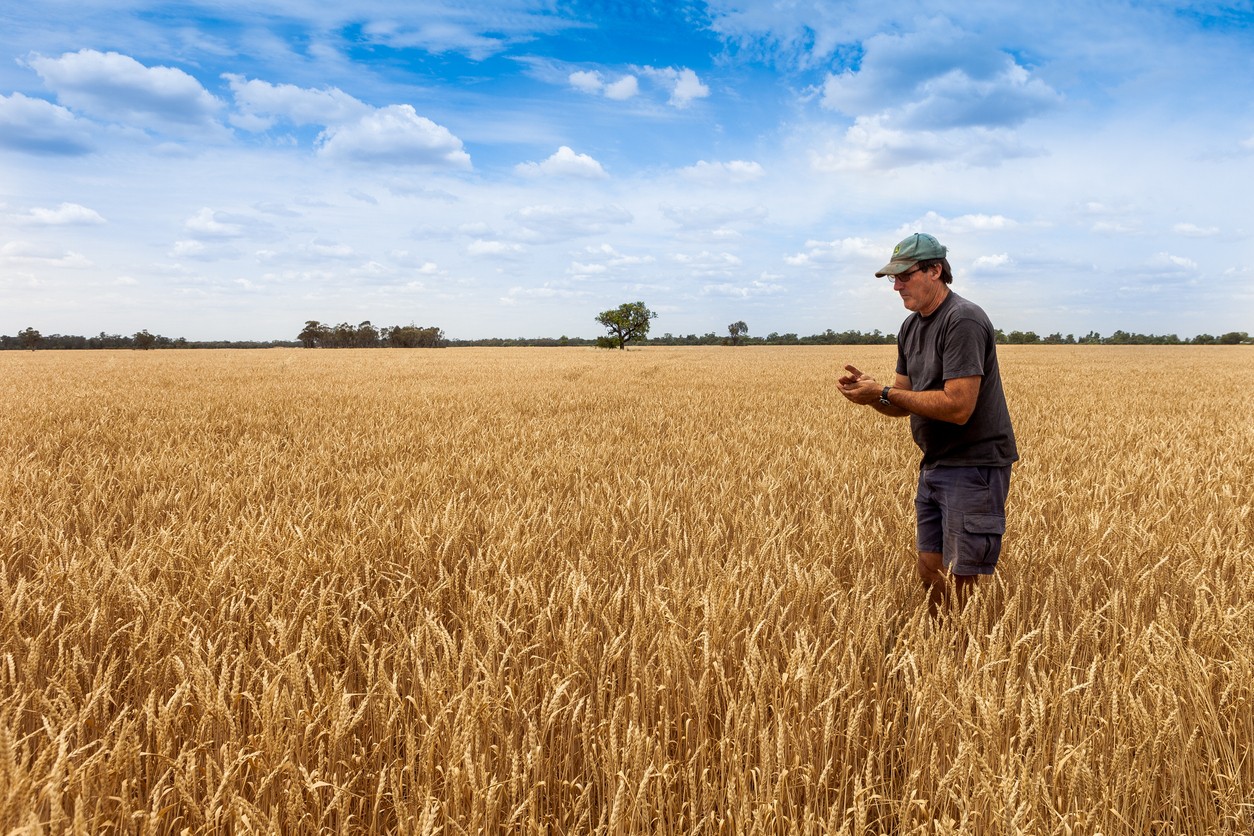
| Fodder & Grain Supply |
Lower regional dryland crop yields will tighten local grain and hay availability, pushing up supplement prices across NSW. |
Forward-contract hay, grain, or lick blocks early before spring demand spikes. |
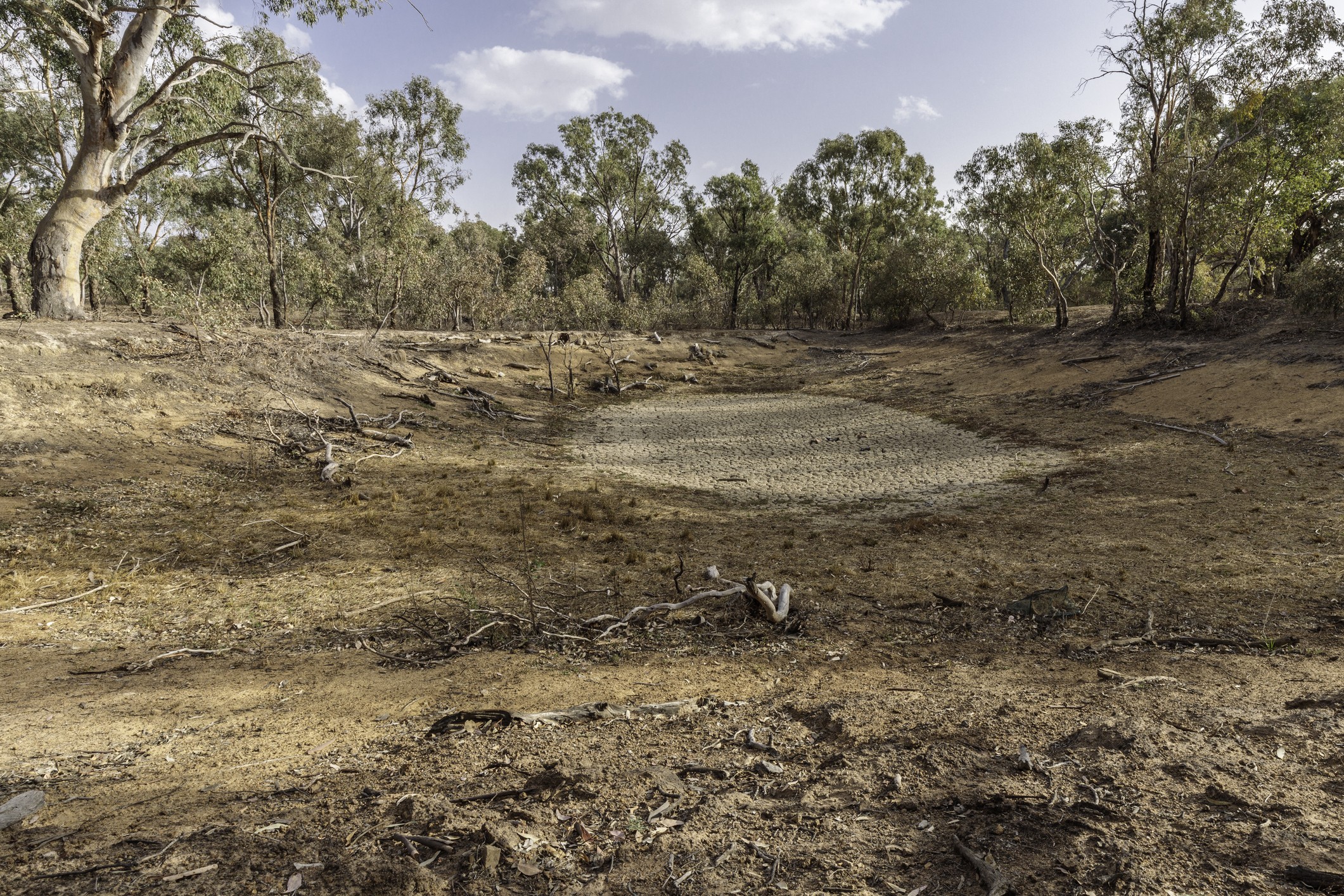
| Surface Water & Dams |
High evaporation rates will cause rapid dam depletion, worsening water quality (increased salinity and algae). |
Audit stock water infrastructure early; consider piping or cleaning key surface dams. |
Strategic Implications for Livestock Producers
1. Early stock turnoff & culling decisions
During an El Niño event, holding excess stock on deteriorating pasture can quickly degrade soil health and drain financial reserves.
-
Early Weaning: Consider weaning calves and lambs earlier than usual to reduce energy demands on breeding females and maintain body
condition.
-
Strict Culling: Cull older, barren, or structural-defect cows/ewes early in spring while commercial market prices remain supported.
2. Supplementary feeding & nutrition
As standing dry feed loses protein and digestibility in late spring:
- Introduce urea-based protein supplements or lick blocks to help cattle digest dry, fibrous pasture.
- Prepare energy-dense rations (grain/hay blends) for backgrounding or maintaining core breeding stock through summer.
3. Heat stress & stock handling
With El Niño driving sustained high-temperature periods across regional NSW, stock welfare is paramount:
Schedule livestock transport, yarding, and husbandry work for early morning hours.
- Ensure adequate shade and clean, cool drinking water across all grazing paddocks.
Navigating an El Niño cycle requires proactive planning rather than reactive decision-making. Whether you are looking to assess herd numbers
ahead of summer, adjust turnoff schedules, or secure livestock marketing strategies, the team at James Bradford Rural is here to support
your business.
Reach out to the team at James Bradford Rural today for local market advice and livestock strategies tailored to the
upcoming seasonal conditions.