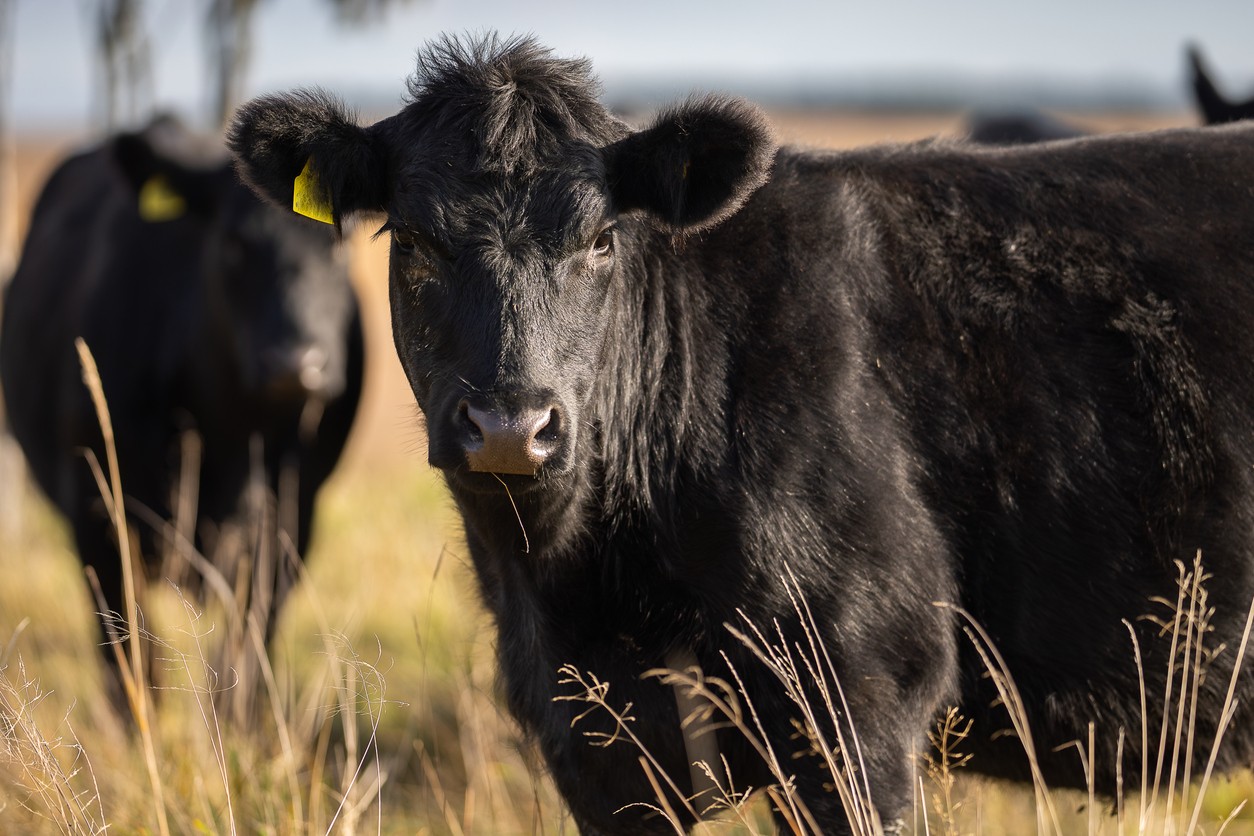
Rock fern toxicity in cattle has prompted a warning to NSW landowners.
Local Land Services is warning livestock owners in northwestern NSW to be on the lookout for toxic rock fern in their grazing paddocks.
Rock fern is a hardy plant that survives dry conditions and readily reshoots after rain. It is most toxic when new fronds are reshooting or growing, which happens in the autumn and winter.
Rock fern, which contains the toxin 'ptaquiloside,' inhibits bone marrow production of platelets and white blood cells in cattle, lowering the immune system and causing bleeding.
Dr Judy Ellem, District Veterinarian - North West Local Land Services, stated that there have been a few cases of young cattle deaths in the Gunnedah district in recent weeks.
“It takes two to four weeks before the effects of the toxin are seen in the animal, with recent affected animals being found dead in their paddocks. They have had blood from the nose and, or the anus.”
Landowners are being asked to keep an eye on their cattle and look for symptoms. Cattle that have been exposed to the toxin will be discoloured, will be on their own, and may have a fever or other signs of infection. They may have blood in their faeces, urine that is dark wine-colored, or nasal discharge.
Other symptoms include heavy breathing, weakness, and swaying while walking. If they are closely examined, they may have spots of bleeding in their mouth, gums, or eyes.
Sheep are also affected by rock fern, but they are more vulnerable to a different toxin known as thiaminase, which destroys vitamin B1 or thiamine in the rumen. A lack of vitamin B1 causes brain damage, resulting in polio encephalomalacia, or PEM.
“Sheep can be found dead, or they may be out on their own, appear blind, run into fences, or press against obstacles. They sometimes exhibit a syndrome called ‘stargazing’ where they have their head pointed upwards, or they may froth at the mouth and possibly seizure,” said Dr Ellem.
Horses are also susceptible to thiaminase toxicity and can be observed going off their food, becoming uncoordinated, carrying their head low, nodding, yawning, and becoming excitable. They, like sheep, may appear to be blind.
“Sheep and horses that are affected by the thiaminase can be treated with thiamine if found early enough,” she said.
“I would urge producers to check their paddocks and remove livestock from paddocks where rock fern is growing, to reduce the risks of toxicity in livestock”.
If you have deaths or signs of toxicity in your livestock, please call your veterinarian for treatment and advice.
(Source: Beef Central )