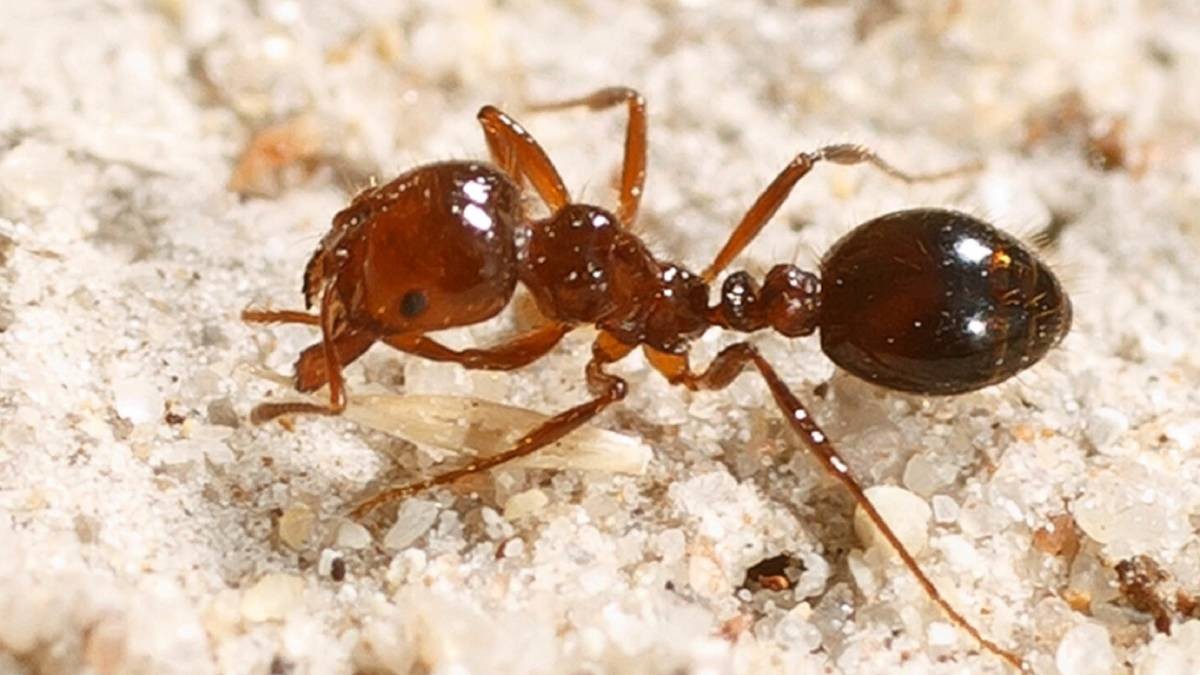
Six times in the last six weeks, fire ants have breached containment zones in south-east Queensland, prompting the expansion of biosecurity controls at the New South Wales border.
The imported red fire ants, considered one of the world's worst invasive species, were discovered last week at a site near Tallebudgera, about 5.5 kilometres from the NSW border. The discovery was the pest's most southern detection in Queensland.
The species' march to the border coincides with calls for an aggressive pivot - and significantly more funding - to ensure the success of a faltering eradication programme.
The Tallebudgera discovery automatically triggered a NSW biosecurity control order enacted in February, which prohibits or restricts the movement of certain materials within 5 kilometres of any site where red imported fire ants have been detected.
Soil, mulch, baled hay, turf, and other materials from a "infested area" cannot be moved across the NSW border without inspection and certification. Most major highway border crossings are now within controlled areas as a result of that order.
Tara Moriarty, the NSW agriculture minister, stated that it was critical to keep this invasive and aggressive pest out of the state. If it becomes established, she claims it will "have a huge impact on the way we live our lives and may affect our export markets and ability to trade."
The ants swarm aggressively and sting for up to an hour, causing itching and burning. People have died as a result of allergic reactions in rare cases.
The Invasive Species Council has warned that fire ants will inevitably cross the border and establish themselves, as they have in parts of the United States.
According to Reece Pianta of the Invasive Species Council, fire ants have now breached containment six times in six weeks. These include the first detections west of the Great Dividing Range, at Kleinton near Toowoomba, in the Moreton Bay area north of Brisbane, and on the Gold Coast.
"The current eradication programme is underfunded, which is causing fire ants to regularly breach containment," Pianta explained.
The Invasive Species Council applauded NSW's decision to implement movement controls around the Tallebudgera site, but cautioned that it would only "buy some time" before fire ants spread further south.
A strategic review of Australia's efforts to control a red fire ant outbreak warned nearly two years ago that a "urgent change of strategy" was required to prevent the species' uncontrolled spread.
(Source: The Guardian )