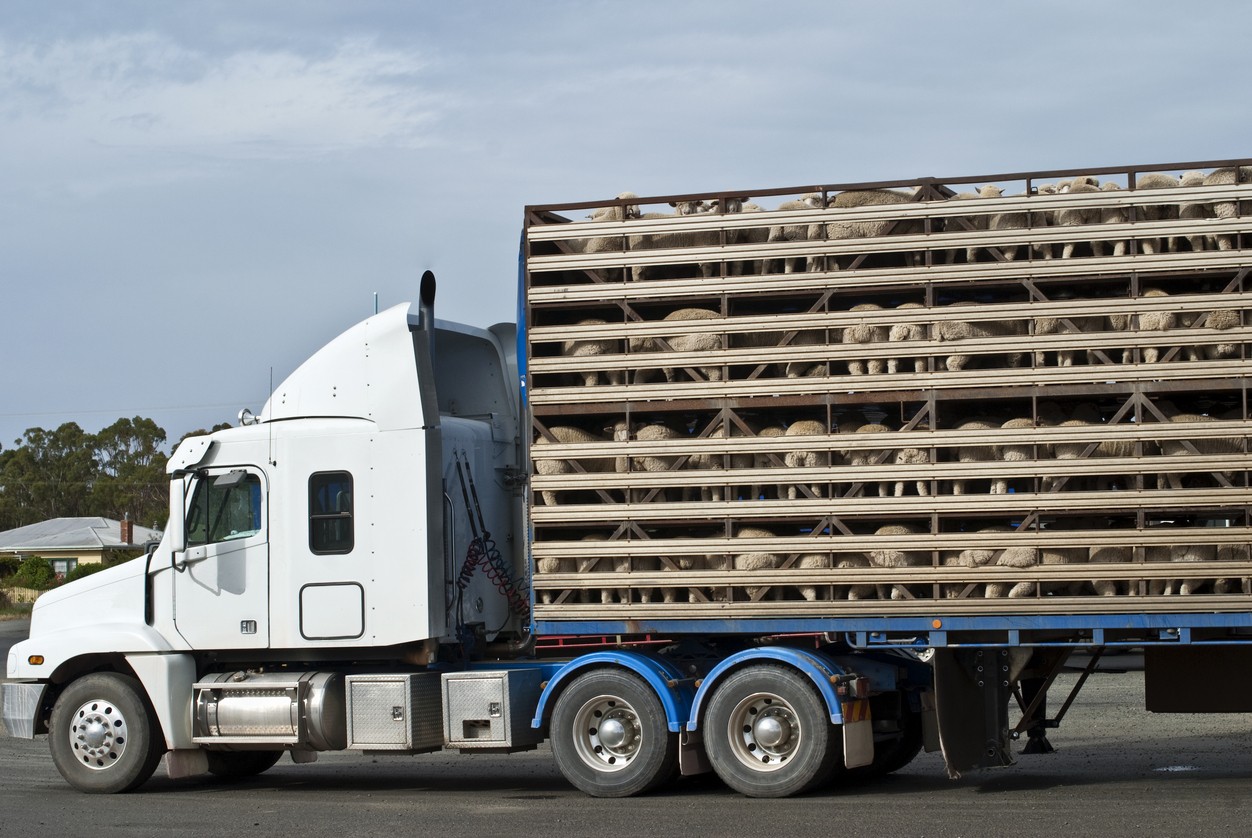
One of the biggest challenges facing the livestock transport sector – trucks running empty on return trips – is starting to find a solution through greater collaboration and smart technology.
It’s estimated that up to a third of road transport vehicles in Australia run empty at any given time, costing the industry billions each year and contributing to unnecessary emissions, road wear and congestion. But now, an Australian-developed digital freight platform is helping transport operators and customers work together to achieve better outcomes for everyone.
Loadshift, developed by ASX-listed Freelancer Ltd, connects transport operators with businesses needing freight moved, making it easier to fill backloads and improve efficiency. While the platform first gained traction in general and refrigerated freight, livestock transport and bulk rural commodities like hay and stock supplements are now becoming regular features. To date, Loadshift has facilitated more than 800 million kilometres of freight.
Loadshift operations manager, Simon Manton, says livestock use on the platform is growing steadily.
“Awareness is the key – especially in regional and remote areas. For example, if a truck takes general freight north from Melbourne, it can be hard to find a return load. With Loadshift, we’re starting to see opportunities where livestock or rural commodities can fill that gap,” he said.
The service benefits both carriers and customers, with jobs posted either by operators seeking backloads or customers needing freight shifted. In some cases, return loads mean price savings, but in many regional areas it’s more about convenience and efficiency.
Loadshift’s chief executive, Matt Barrie, said the industry working together through platforms like this is vital.
“Empty runs are not just a waste of money, fuel, and time – they impact safety and productivity across the industry. By using smart tools like Loadshift, carriers and customers can collaborate to reduce empty trips, improve efficiency, and strengthen outcomes for everyone involved.”
For the livestock transport industry, it’s a reminder that technology isn’t replacing relationships – it’s enhancing them. By connecting the right people at the right time, the sector is finding new ways to work together for a stronger, more sustainable future.
The Loadshift platform can be accessed online or via app. https://www.loadshift.com.au/
Source: Beef Central