Another El Nino event has been confirmed by the World Meteorological Organisation. As climate change continues to exacerbate our weather, the effects on natural climate phenomena such as El Nino become more significant.
What is El Nino?
El Nino occurs when sea surface temperatures in the central and eastern tropical Pacific are significantly higher than average, causing rainfall to shift away from the western Pacific Ocean and eastern Australia and towards the central and eastern Pacific Ocean.
The relationship between El Niño and climate change
The relationship between El Nino-Southern Oscillation (ENSO) events and climate change is murky. However, according to the CSIRO, both El Nino and La Nina events have become more frequent and intense as a result of climate change, which is being driven by rising glasshouse gas emissions.
Many Australians have experienced first hand the compounding impacts of climate change and El Niño/La Niña events. The Black Summer bushfires of 2019/20 came off the back of a 2018/19 El Niño event. In fact, 2019 was Australia's hottest and driest year on record, contributing to the extreme bushfire season.
From 2020 to 2023, we experienced a multi-year La Nina event that resulted in record-breaking rainfall and flooding along the east coast. These heavy rains have accelerated grass and bushland growth, putting much of the country in jeopardy as we enter the next El Nino period - as grasslands and bushlands dry out, they are primed to burn.
Drought and bushfires are becoming more likely as El Nino exacerbates dry and hot conditions across the country. Looking ahead, with El Nino conditions expected to worsen in the coming months, 2024 could be the hottest year on record globally. We may be witnessing the first year in which the global average temperature rises by 1.5°C or more above pre-industrial levels. Unfortunately, this would increase the risk of fires across Australia over the next year.
What does El Nino mean for agriculture?
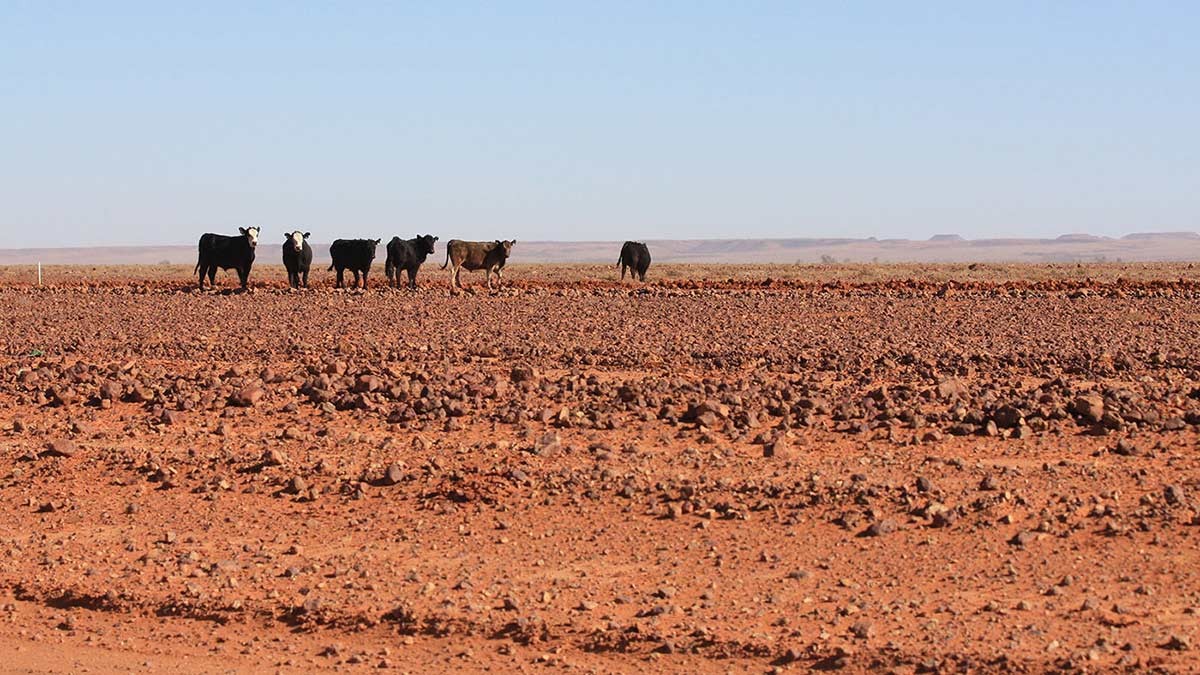
El Nino weather means that temperatures become hotter and the climate becomes drier, leading to severe droughts and bushfires, shown to cripple NSW during the 19/20 black summer fires and the proceeding drought.
(source: Climate Council )