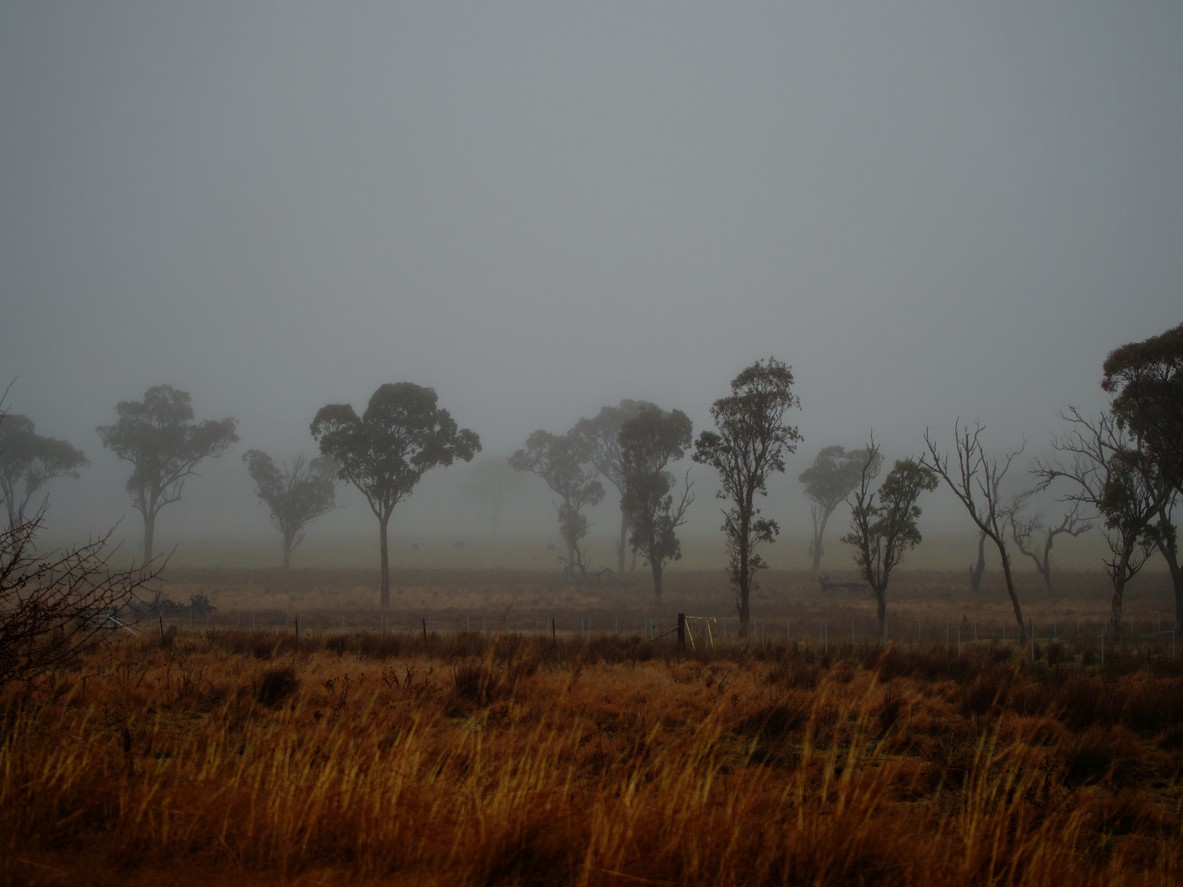
After watching the dust settle across the region for far too long, the skies finally opened up this week, delivering a handy, steady dose of
rain exactly where we needed it most. For producers across Tamworth, Gunnedah, and the wider New England and North West regions, the
downpour has been described as an absolute godsend, bringing a massive sigh of relief and a much-needed glimmer of hope for the winter
season ahead.
According to the Bureau of Meteorology, a solid west-to-east front swept across the state, dropping a beautiful 25mm to 50mm of steady rain
over large parts of New South Wales. While it’s not a total drought-breaker just yet, local producers say this timing could be the golden
ticket to saving the season, provided the weather plays ball over the next few weeks.
Warm dirt and big hopes
The real magic right now isn’t just the water in the gauge, it’s the ground temperature. Normally, by late May, the cold and frost have
already set in, shutting down plant growth. But right now, the ground is remarkably warm.
Even the most experienced locals have been staggered by how quickly the country dried out after Christmas. Having spent my life working as
both an agent and a producer on the Tablelands, I've never seen anything quite like it.
It was very dry in 2019, but the water slowly dried up then. I don’t think I have ever seen where we have had absolutely no run-off rain
since before Christmas.
But despite the tough conditions, this season has thrown a massive curveball for the history books: the markets have stayed incredibly
strong.
It's certainly been the biggest sell-off I have ever seen in this part of the world, but buyer demand has held firm. I just can’t believe so
many stock have been sold and the prices have held up so well.
There's still time to fire up the tractors!
Down in the dirt, this rain is already shifting mindsets from destocking to planting with people now talking of winter oats. For producers
who took a gamble and sowed into dry dirt a week or two ago, this rain will perfectly link up the moisture profile. For others who copped
50mm or more, the tractors will be rolling the moment they can get onto the paddocks.
The million-dollar month ahead
Now, all eyes are on the horizon. The next four weeks are absolutely crucial.
If the current warm trend holds, the region could see a late winter forage crop shoot out of the ground, giving livestock the feed they need
to get through the cooler months. The only major hurdle now will be if those snapping, bitter winter frosts arrive too early.
But for today, the creeks have a trickle, the dust has settled, and the local agricultural community is moving forward with a renewed spring
in their step.
How did your rain gauges finish up this week? I hope you're getting the tractors out once the topsoil drys.