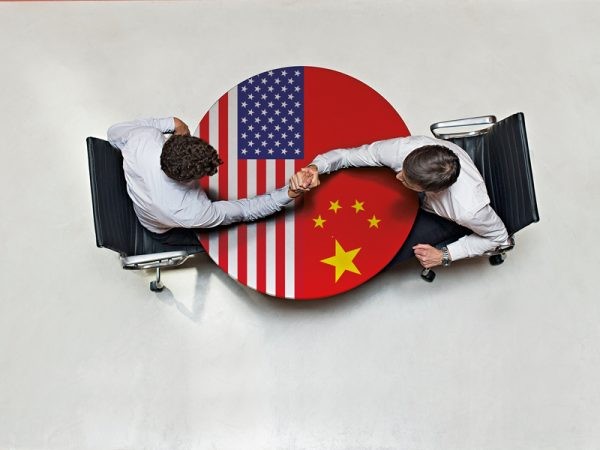
A 90-day trade truce between the United States and China, starting on May 14 2025, is expected to shake up global meat markets, with significant implications for Australia’s beef export industry and wider agricultural sector.
As part of the agreement, China will temporarily reduce its retaliatory tariffs on US agricultural imports. Total Chinese tariffs on US beef will fall from 147% to 32%, and for US pork, from 172% to 57%. These temporary adjustments are aimed at easing tensions and encouraging further negotiations between the two countries.
Despite the tariff reductions, Australian beef exports to China are unlikely to face immediate competition from the US, due to lingering trade access issues for US meatpackers and still-prohibitive tariff levels on US beef. Currently, Australia enjoys a zero-tariff rate under its China-Australia Free Trade Agreement, although that rate is subject to change if Australia breaches its annual safeguard volume threshold, after which tariffs revert to 12%.
Short-Term Advantage for Australian Beef
The tariff reprieve for US beef is expected to only marginally reintroduce US competition into the Chinese market. Australian exporters, already well established in China. Are likely to retain their dominant position, at least in the short term.
“Even at 32%, US beef is still too expensive for the Chinese market, especially given current tight cattle supply in the US,” said an Australian exporter. “It’s unlikely we’ll see a flood of American product into China during this 90-day window.”
This continued high tariff. Down from extreme levels but still substantial, protects Australian market share, particularly for premium grain-fed cuts which have been filling the void left by the near-absence of US beef over the past year.
Processing Plant Restrictions Limit US Impact
In addition to tariff barriers, the US beef industry faces technical trade barriers. More than 300 US beef processing plants have lost their registration to export to China, with no updates or renewals from Chinese authorities as of yet. This means a majority of US beef remains ineligible for export to China, regardless of the tariff cuts.
This delay in plant approvals plays in Australia’s favor, allowing exporters more time to consolidate their market presence.
Impact on Broader Australian Agriculture
Beyond beef, the broader Australian agricultural sector (including lamb, dairy, and grain) could benefit from any prolonged difficulty in US-China trade relations. If the current truce collapses after the 90-day window, Australian commodities may see continued or even increased demand from Chinese buyers seeking reliable, tariff-free alternatives to US supply.
Additionally, the positive market sentiment from de-escalation in global trade tensions could support commodity prices, benefiting Australian exporters more broadly.
Market Risks Still Present
However, the situation remains fragile. With the truce set to expire in mid-August and political volatility in the US trade stance, there is no guarantee that the current reprieve will evolve into a permanent resolution.
Industry figures caution that while the short-term outlook favors Australian exporters, long-term strategic planning must account for a potential return of US competition, especially if the US regains full market access and benefits from further tariff concessions.
Conclusion
For now, Australia’s beef export industry appears to be the clear beneficiary of the ongoing complications between the US and China. But with a limited window and uncertain future, agri-exporters must remain alert to global trade developments. The next three months will be a key test of whether this truce marks the start of long-term changes or just a temporary pause in an unpredictable trade war.
Source: Beef Central