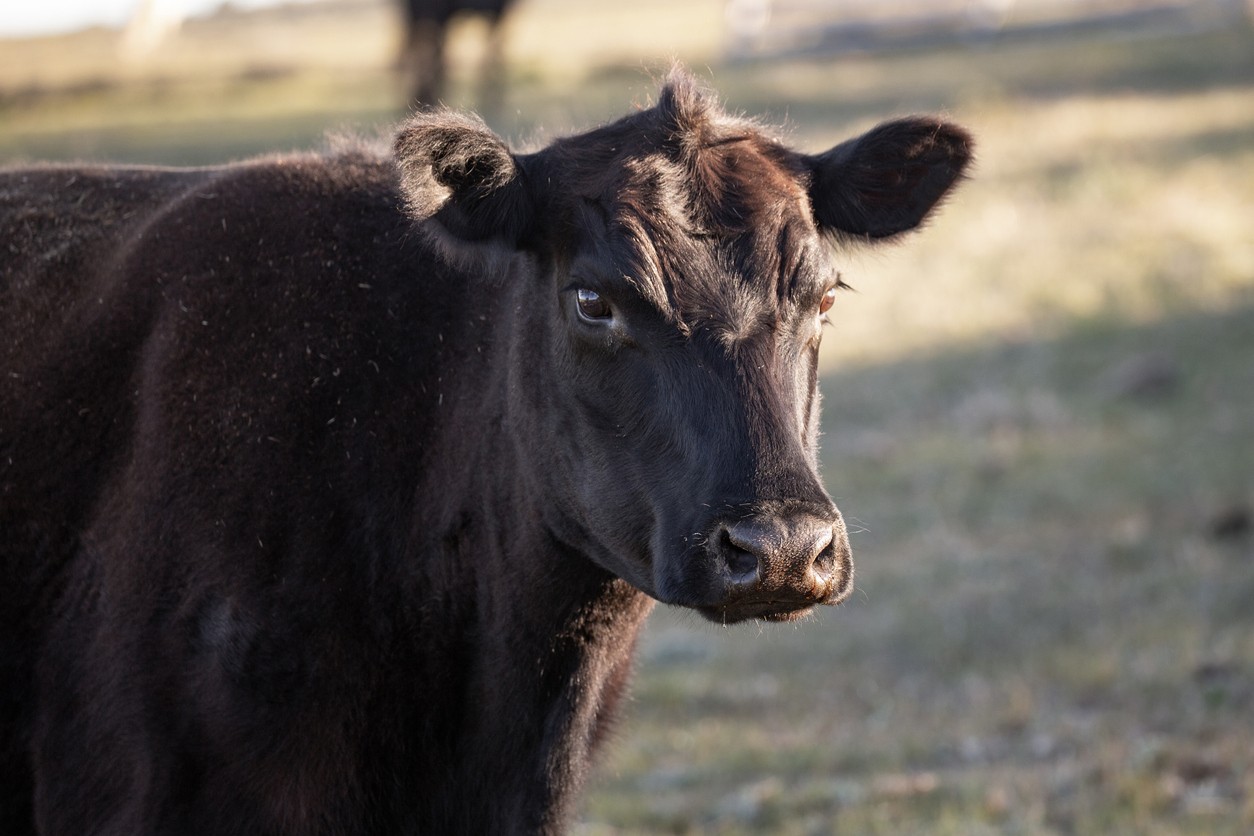
While Gina Rinehart’s flagship cattle venture, Hancock Agriculture, has garnered much of the spotlight in recent years through high profile expansions, her other major cattle business, S. Kidman & Co, is now embarking on a strategic transformation. marked by a major property acquisition in the New England region of northern New South Wales. This week, S. Kidman officially acquired Jindabyne Station, a 7,000 hectare holding located about 80km north of Inverell, NSW, in an off market deal valued at approximately $36 million, including some cattle. This is Kidman’s first property purchase in more than 20 years, and it signals a decisive step in the development of the Kidman Premium beef brand.
A New Direction for Rinehart’s Cattle Operations
The acquisition underscores the growing divergence between Rinehart’s two cattle businesses:
- Hancock Agriculture now concentrates on high end Fullblood Wagyu production at scale, marketed under the 2GR brand in both domestic and international markets.
- S. Kidman & Co, meanwhile, has transitioned from its traditional northern Australian pastoral model to focus on Wagyu Angus F1 beef production, branded as Kidman Premium. Although technically crossbreds, Kidman avoids terms like “F1,” instead emphasising the brand’s unique quality proposition.
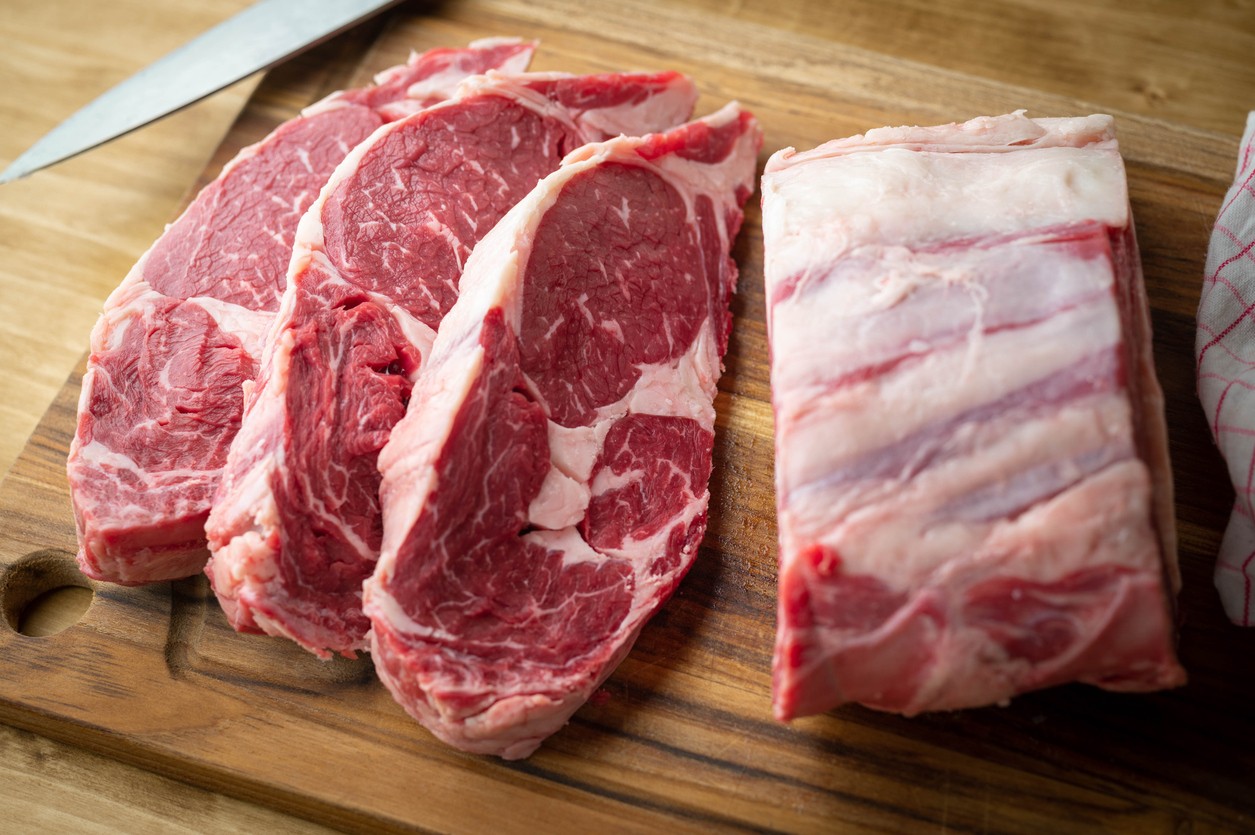
The Kidman Premium beef range is targeted at the large mid market segment. consumers seeking flavourful, marbled steaks without paying Fullblood Wagyu prices. Cattle are grain-fed for 200–220 days, producing marbling scores of 3–6, while offering smaller steak cuts to suit modern diners and restaurant needs.
Strengthening Kidman’s Presence in New England
The Jindabyne Station purchase strengthens S. Kidman’s foothold in the New England region, although the property is not directly adjacent to other Rinehart holdings in the area. With capacity for around 3,500 breeders, the station is expected to produce 3,000 terminal F1 Wagyu Angus calves annually. The location offers strategic advantages, with proximity to Gunnee Feedlot and John Dee’s processing facility in Warwick, just across the Queensland border. The current breeding herd on Jindabyne will remain predominantly Angus based, with any remaining Santa Gertrudis types to be phased out in favour of consistency with the Kidman Premium brand model.
Operational and Ownership Details
S. Kidman began recruiting staff for the station on 6 May, following Foreign Investment Review Board (FIRB) approval. The previous owner was David Stewart, principal of Stewart Grain Trading, based in Inverell. FIRB scrutiny was triggered due to the deal's value and Kidman's ownership structure. 67% owned by Gina Rinehart and 33% by Chinese minority partner Shanghai CRED. To support the operation, Kidman has been quietly acquiring Angus females to stock the property in preparation for upcoming Wagyu Fullblood matings.
Refocusing the Portfolio
Since 2017, S. Kidman & Co has divested significant holdings in northern Australia—ten properties totalling around 6,600 sq km across the Kimberley and Northern Territory regions. This capital has been reinvested into more strategically aligned assets. Notably, in 2023, Kidman acquired Moolan Downs (10,000ha in Queensland’s Western Downs) and Ottley Station (8,371ha in northern NSW) from Packhorse Pastoral for around $80 million combined. Separately, earlier this year, Hancock Agriculture (not part of Kidman) purchased Wongaboori Station near Mendooran, NSW (10,000ha) for $70 million.
From Cattle to Beef
The acquisition of Jindabyne Station underscores a broader shift for both Hancock and Kidman—from operating as traditional cattle companies to becoming vertically integrated cattle and beef businesses. With this latest investment in New England, S. Kidman & Co is poised to play a leading role in supplying premium, value focused beef to the modern consumer—backed by genetics, scale, and now, strategic location.
Source: beefcentral.com

.png)