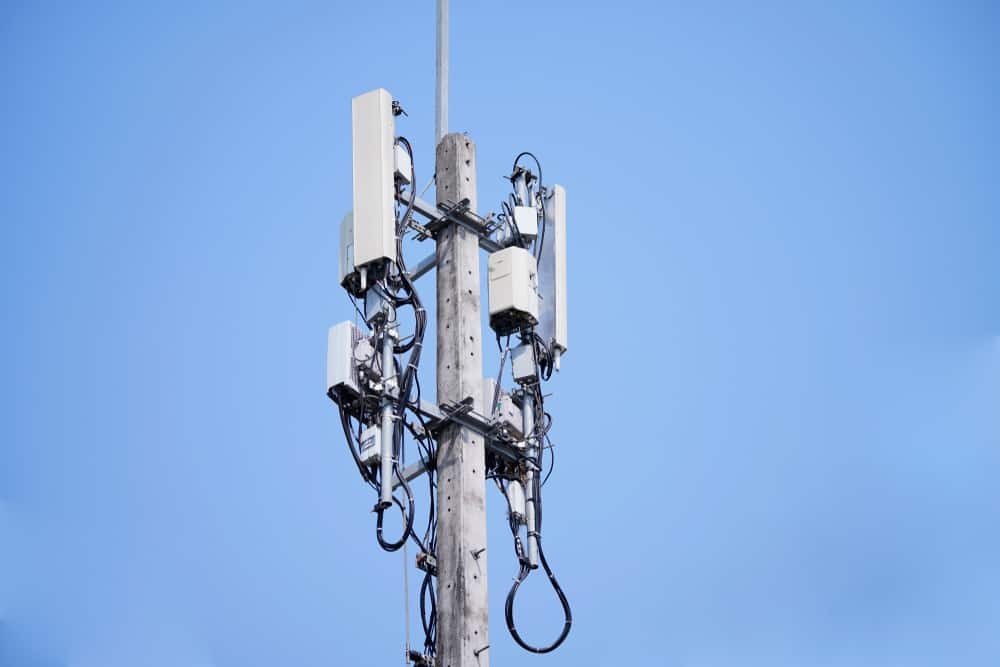
Telstra, the Australian telecommunications company, has reiterated its intention to shut down its 3G network, also known as the Telstra Next G network, on June 30, 2024. The closure will enable the company to repurpose the 3G spectrum in order to strengthen its 4G and 5G mobile infrastructure, improve coverage, and increase network reliability.
The 3G network was introduced in 2003, when mobile devices were mostly used for making calls, texting, and accessing basic information online. Fast forwards 20 years, and the modern mobile experience is heavily data-driven, with demand for mobile data increasing by approximately 30% per year.
Telstra also confirmed that, following the closure of the 3G network, it intends to repurpose the radio spectrum previously used by the 3G network in order to increase the capacity and reach of its 5G network.
The planned closure of the 3G network was first announced to customers in October 2019 to give them enough time to understand what changes they needed to make.
Telstra assured that, in order to ensure 4G coverage equivalence in regions reliant on the 3G network, Telstra has been accelerating its 4G rollout and making adjustments to match 3G coverage over the last few years.
Notably, the phased 3G closure plan aligns with the global trend of telecom providers prioritising enhanced, data-bearing networks in response to consumers' growing appetite for data-heavy tasks. Customers who rely solely on the 3G network will need to upgrade their devices to support the newer 4G or 5G networks to ensure a seamless mobile experience.
(Source: TelcoNews)