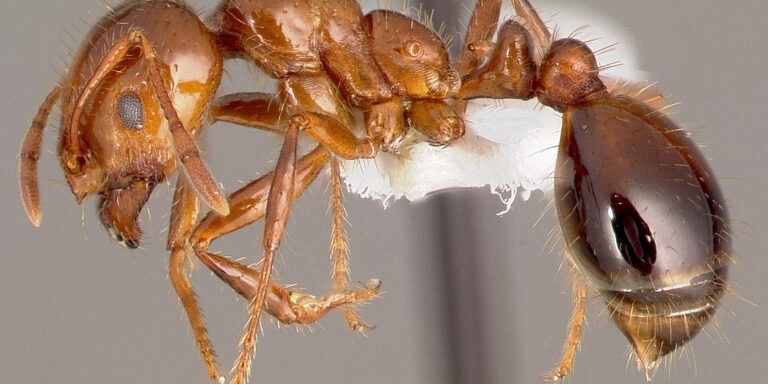
You may have recently seen in the media, the NSW Government has confirmed the detection and destruction of a red imported fire ant nest in Tweed Heads, prompting an urgent biosecurity response to prevent the pest from gaining a foothold in the state.
The nest was found on a private property, following a report by a vigilant pest control contractor. Biosecurity teams moved swiftly, with the NSW Department of Primary Industries (DPI) and the National Fire Ant Eradication Program treating and destroying the nest.
“This is a critical moment,” said NSW Chief Invasive Species Officer Scott Charlton. “The nest was immature, which means it likely hadn’t started producing queens - but we’re treating this as a serious threat.”
Fire ants are one of the most invasive and destructive pests globally. Known for their aggressive swarming behaviour and painful stings, they pose a direct threat not just to public safety, but also to farming and food production.
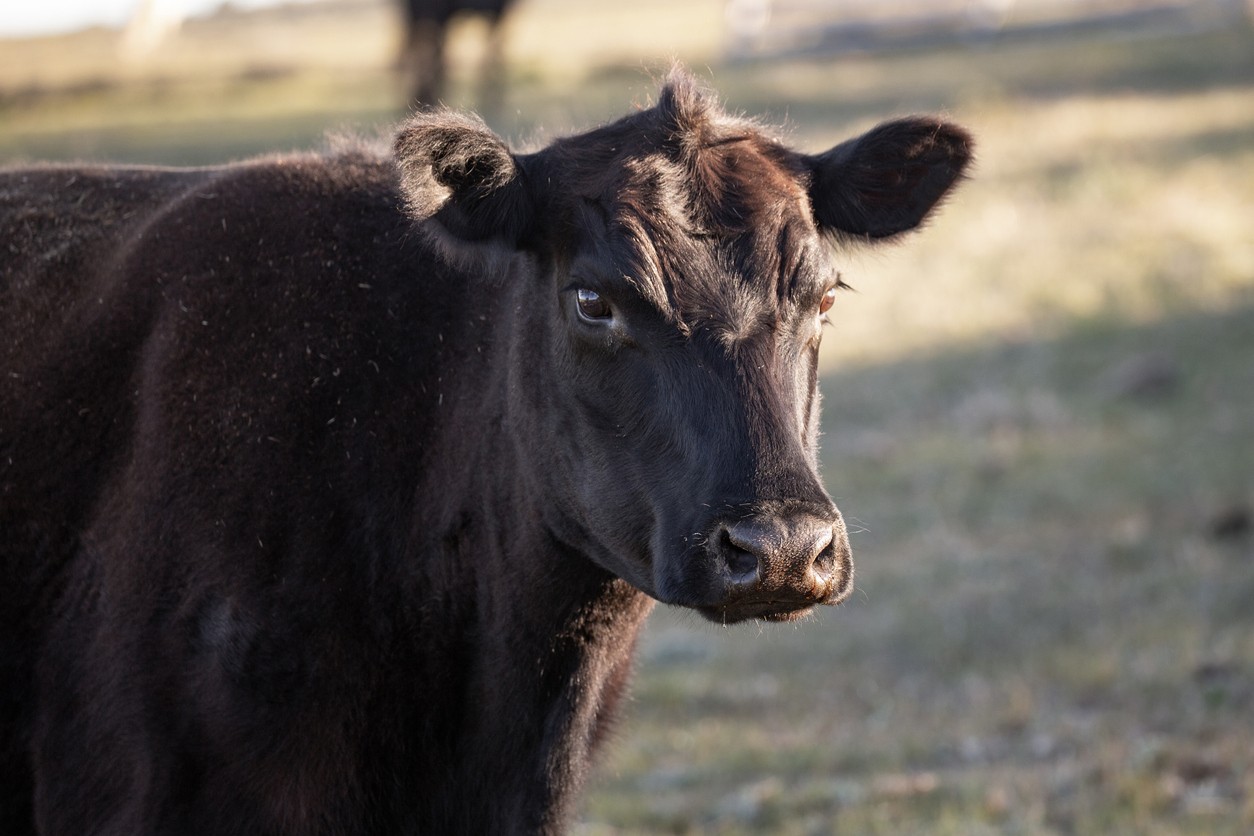
“These ants can decimate young crops, kill livestock, and damage irrigation and machinery,” Charlton warned. “If fire ants establish themselves in NSW, it could have devastating long-term impacts on our agriculture and economy.”
In response to the detection, a 5-kilometre Biosecurity Emergency Control Zone is being established around the Tweed Heads site. This zone restricts the movement of high-risk materials - including turf, soil, mulch, hay, and other landscaping supplies - that could carry fire ants or their eggs.
“This level of early detection and immediate treatment is exactly what our systems are designed to do,” said Minister for Agriculture Tara Moriarty. “It’s a testament to the training, preparation, and strong community awareness we’ve built across the Northern Rivers.”
The NSW Government has significantly increased its fire ant response funding, from $15 million to $95 million, ensuring that detection teams, enforcement officers, and community education programs are well-resourced.
The community’s role in identifying and reporting suspicious ant activity is critical. This latest detection was only possible because of are port from a trained contractor.
“Biosecurity is a shared responsibility,” said Minister Moriarty. “We need farmers, landholders, business owners, and everyday residents to know what to look for and report anything unusual.”
What You Can Do
- Inspect your property, especially if you’ve received turf, mulch, or soil from Queensland.
- Do not move high-risk materials in or out of restricted zones.
- Report any suspected fire ant activity immediately to 1800680 244.
This detection isn't the first of its kind but may mark a turning point in NSW’s fight against one of Australia’s most dangerous invasive species. With the right mix of government action, industry compliance, and public awareness, there’s still time to stop fire ants from spreading across the state - and save thousands of farms from a future of pain and losses.
Image Source: NSW Nationals