You may have seen the annoncement recently on Australian agriculture reaching a massive $100 billion in total production value.
It’s a huge milestone, but if you look just under the hood, there’s a critical story unfolding at the processing level that every producer
needs to have on their radar.
Recent figures from the Australian Meat Processor Corporation (AMPC) and the Australian Meat Industry Council (AMIC) lay out a pretty stark
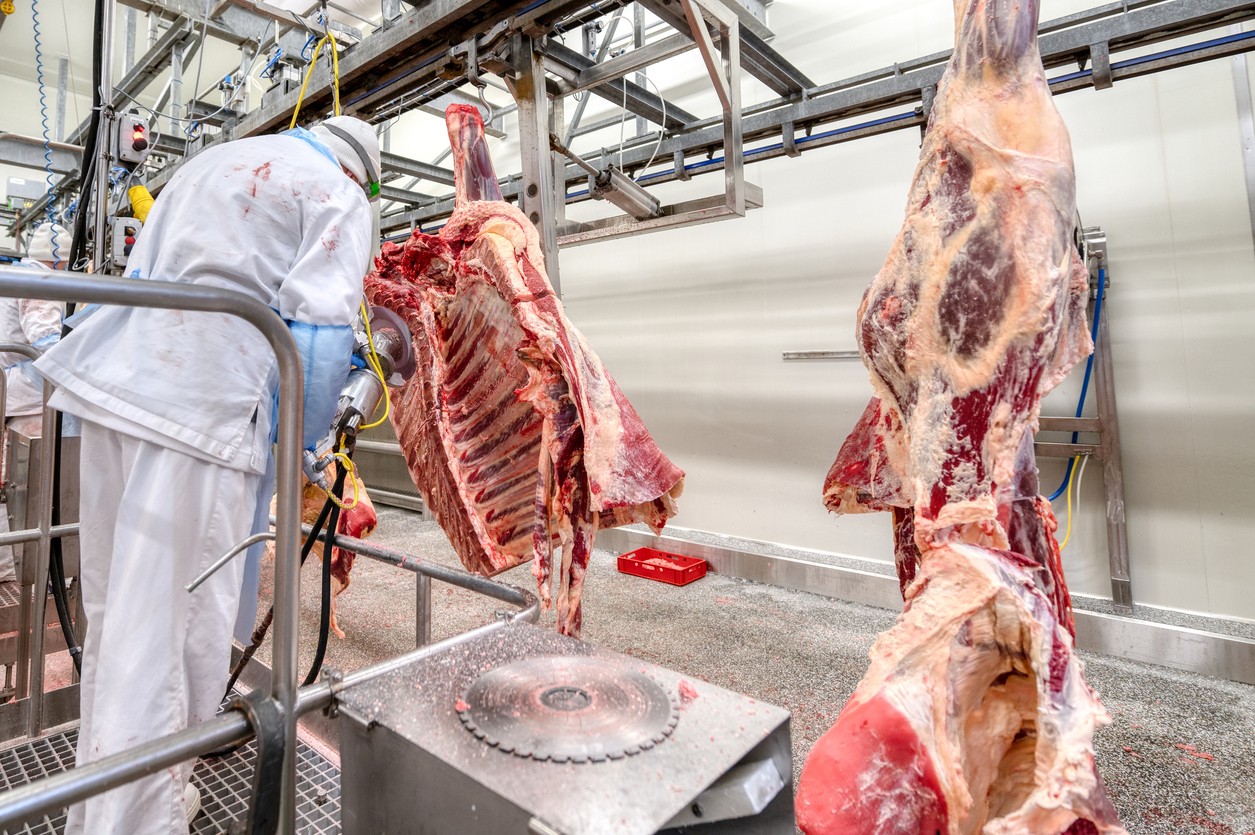
reality. The cost of processing livestock in Australia has jumped sharply over the last decade, well above normal inflation.
So let’s unpack the facts of what’s happening right now, why it inevitably impacts the paddock, and where the opportunities lie to fix it.
How operating costs stack up
When you break down the actual numbers over a ten-year period, the shift is hard to ignore:
| Beef Processing |
In 2014–15, it cost roughly $360 to process a single beef animal.
Today, that baseline cost sits at $530.80 per head a 47% increase.
|
| Sheepmeat Processing |
Over that same decade, sheep processing costs have shot up by 58%. |
| Fuel & Freight |
Every 10c/litre increase in diesel fuel adds an estimated $24.9 million in extra costs across the Australian processing sector. That
equates to roughly $1.82 per head on beef and 22c per head on sheep.
|
| Audit Load |
Many processing facilities are currently navigating up to 66 separate audited programs a year across state, federal, international, and
commercial customer mandates.
|
What happens at the abattoir impacts the farmgate
It’s easy to view abattoir operations as entirely separate from day-to-day farm management, but the red meat supply chain is tightly linked.
What processors earn in global export markets directly dictates what they can afford to pay for livestock over time.
When processor margins get squeezed, a few key pressures start to flow backwards:
-
Reduced buffers for market drops: When fixed overheads rise, processors lose the financial buffer needed to absorb sudden
livestock price swings or international market dips.
-
Export bottlenecks: Around $2 billion worth of Australian meat exports are currently affected by tariff triggers, quotas,
or non-tariff technical barriers in major markets like China, South Korea, and Indonesia. When trade slows down overseas, livestock
gridlocks occur locally.
-
Margin compression: If processing an animal costs significantly more and overseas sell prices remain flat or drop, that
margin squeeze eventually reaches the paddock bid.
What are the fixes?
Recognising these challenges early gives us the opportunity to address them before they turn into bigger roadblocks. The good news is that
the core drivers behind these rising costs point directly to practical solutions:
Slashing audit duplication
|
AMPC is actively working with governments and global trade bodies to standardise and digitalise audits. Unifying those 66 separate checks
into single, streamlined digital workflows strips out huge administrative costs without compromising food safety.
|
| Smart plant technology |
Australian processors are adopting advanced carcase optimization, automated deboning support, and digital tracking. Investing in
technology keeps regional processing facilities efficient, competitive, and able to pay fair value for stock.
|
Regional freight & infrastructure
|
Improving regional road networks, upgrading key rail corridors, and exploring local energy options (like microgrids or waste-to-energy at
processing sites) directly tackles the rising fuel and utility costs hitting transport routes.
|
Outcome focused trade advocacy
|
Peak industry bodies continue to press the Federal Government for concrete commercial trade outcomes ensuring technical market barriers
are resolved quickly when global conditions shift.
|
At the end of the day, no one expects farming to be easy, but we all know the supply chain only works when everyone along it can stay
viable. We’re producing some of the highest-quality red meat on the planet, and the global demand for it isn't going anywhere. But we can't
afford to ignore the rising costs piling up at the factory gate, because eventually, that weight lands right on the producer's shoulders.
By pushing for smarter regulations, real infrastructure upgrades, and keeping the pressure on for open export markets, we can protect the
bottom line for local families who after all are putting in the hard yards day in, day out.