The Southern 'hunger' vs. Record low supply
Southern NSW and Victoria have officially emerged as the nation’s beef processing powerhouse. With a 15% increase in processing capacity, these facilities are hungry. However, the irony is stark: while the south has built the most capacity, it has also lost the most cattle.
Southern Australia’s record female kill ratio of 67.4% is the highest in 50 years. This has effectively decimated the southern breeding herd. As we move into a national rebuild phase, analysts like Simon Quilty of Global AgriTrends forecast the national kill to drop from 8.5 million head in 2026 to 7.2 million in 2027.
The Angus spread & the 'Pivot' strategy
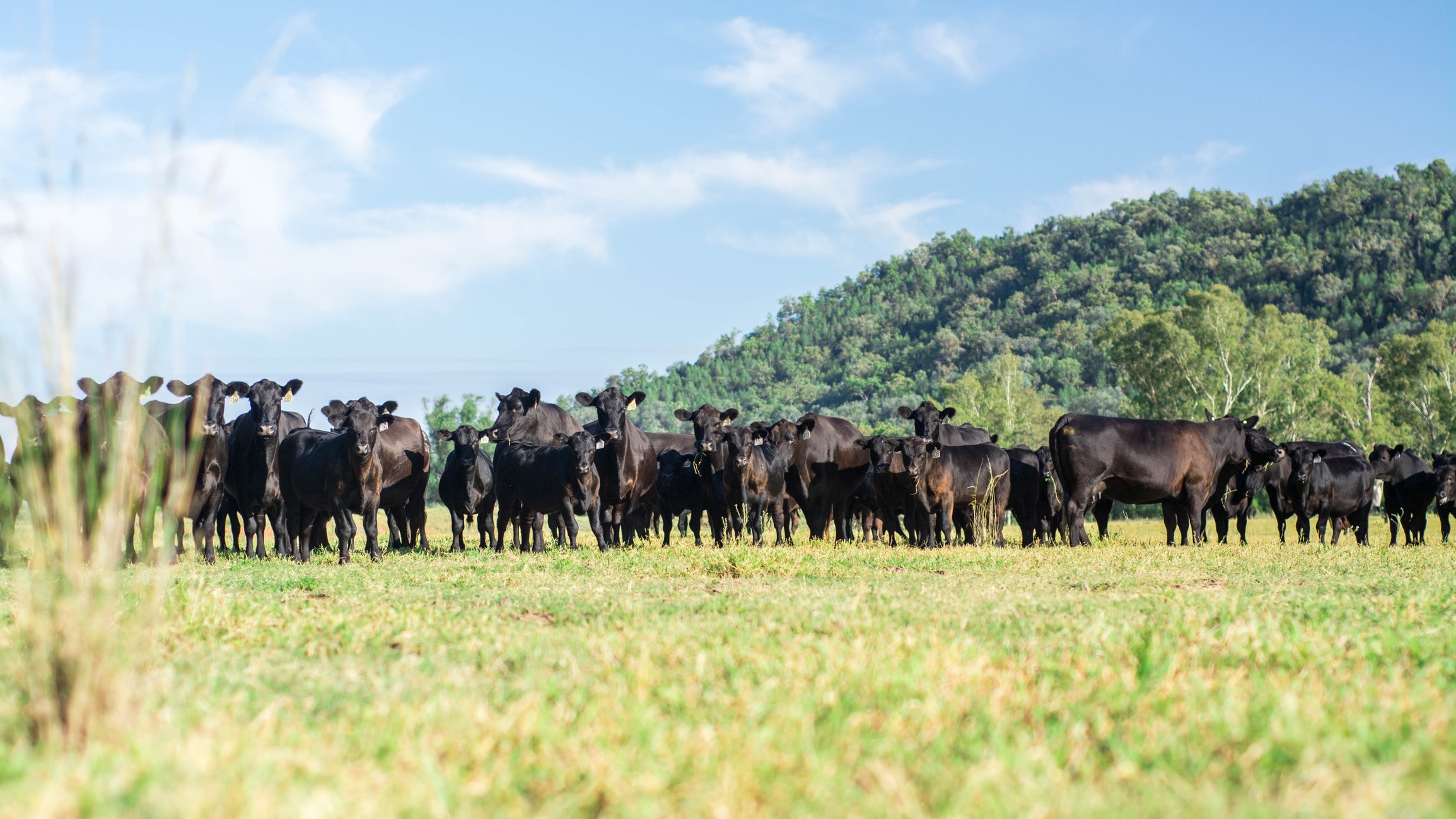
Angus producers are in a unique position. With the breed comprising 73% of southern breeding herds, the current lack of Angus beef in the system is expected to widen the price spread between flatback and Angus steers significantly.
While domestic markets are currently bringing forward animals contracted for 150-200 days to a reduced 120 days on feed to meet April/May shipments to China, long-term global dynamics are shifting:
- The US Factor: The US herd is at a 74-year low. As US production falls, they will export less and import more, creating a massive vacuum for Australian beef to fill at elevated prices.
- The China Quota: With concerns around triggering the 2026 Chinese import quota by late April, exporters may need to pivot cuts like shin, shank, and brisket into Japan, Korea, and North America.
- High-End Exports: Despite regional uncertainty, 23% of Australian grain-fed tenderloins are currently being airfreighted to the Persian Gulf states.
Forecasting the peak: What the numbers say
In this climate, wait and see is an expensive strategy. Staying ahead of the curve means understanding the trajectory of these peaks:
Feeder Steers - Current average 474 c/kg
Nov 2026 Forecast - 535 c/kg
2027 Peak Forecast - 650 c/kg (June/July)
Angus Feed Steers - Current average 510-515 c/kg
Nov 2026 Forecast - 580 c/kg
2027 Peak Forecast - 700 c/kg
Heifers - Current average 425 c/kg
Nov 2026 Forecast - 482 c/kg
2027 Peak Forecast 550 c/kg (March/April)
Plan to be the heartbeat, Not just a headcount
The market hasn't hit its real highs yet. With 80,000 tonnes of North American beef potentially diverted into China, a massive hole is opening in the Japanese and Korean markets and Australia is the only country poised to fill it.
I encourage you to look at your turn-off strategies now. Whether it’s moving toward heavy feeder steers (450kg+) to hit quick-turnaround premiums or holding for the 2027 surge, the most successful operations will be the ones that plan their work and work their plan.
Let's not be another number in the yards. Let’s get our businesses working for you 24/7.