While we always look for the silver lining, the consensus across the red meat sector is that this deal has missed the mark. It’s a bit of a 'kick in the guts' for an industry that has been doing the heavy lifting for the Australian economy.
The Fair Go Gap
The real frustration isn't just about the numbers; it’s about the principle. A Free Trade Agreement is supposed to do exactly what it says on the tin: promote trade. Instead, this deal seems to lock in constraints that put Australian producers at a permanent disadvantage compared to our global competitors.
- The Beef Volume: We secured access for 30,600 tonnes, but that’s a long road ahead. This deal is locked at just over 10,000 tonnes until at least 2032. Compare that to the 50,000 tonnes our competitors walked away with, and you can see why the "Fair Go" feels a bit lopsided.
- The Grain-fed Hit: In a move that’s particularly hard to swallow, grain-fed beef which previously entered the EU tariff-free, will now face a 7.5% tariff under the new quota.
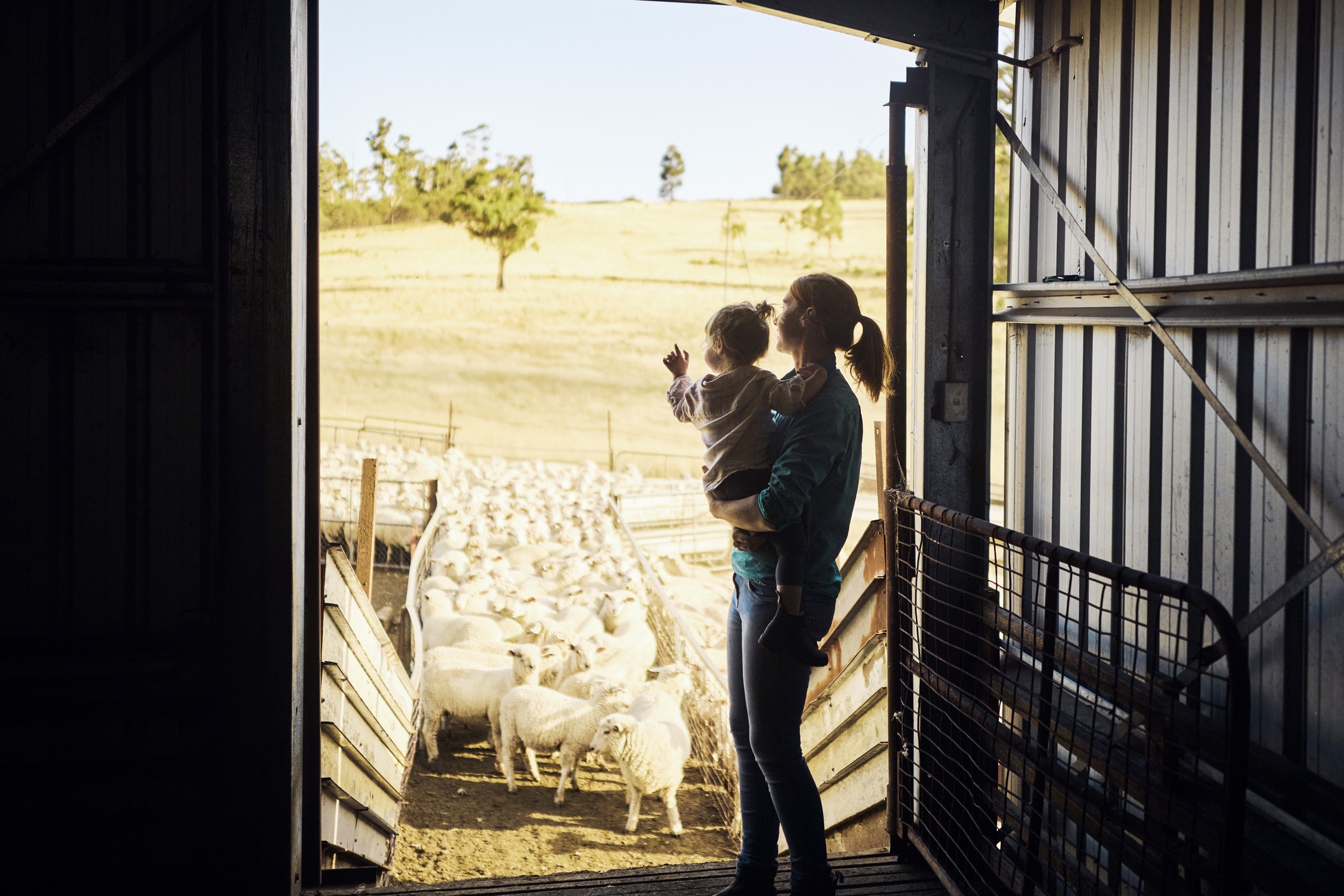
- The Sheepmeat Discrepancy: We landed 25,000 tonnes of access, while our neighbours in New Zealand secured over 163,000 tonnes. I know who's smiling there!
Wrong people at the table?
There’s a feeling in the yards that this was a case of 'amateurs playing against professionals.' Cattle Australia chair Garry Edwards didn't mince his words, suggesting the industry has been let down by a negotiation that failed to reflect the actual value of what we produce every day.
When we have 450 million consumers in Europe hungry for high-quality, sustainable Australian beef and lamb, it seems bewildering to sign a deal that makes it harder, not easier, to get our product onto their plates.
This isn't just about politics or international borders; it’s about the productivity and profitability of our farms. At a time when we are already facing increased export taxes, fuel pressures, and regulatory hurdles, we need to make sure the 'heartbeat' of the industry, the producers are actually being heard.
The government is expecting a negative response, but as AgForce and the NFF have pointed out, this is not just about complaining, it’s about asking for a seat at the table that actually represents the interests of regional Australia.
Albanese Government - epic fail