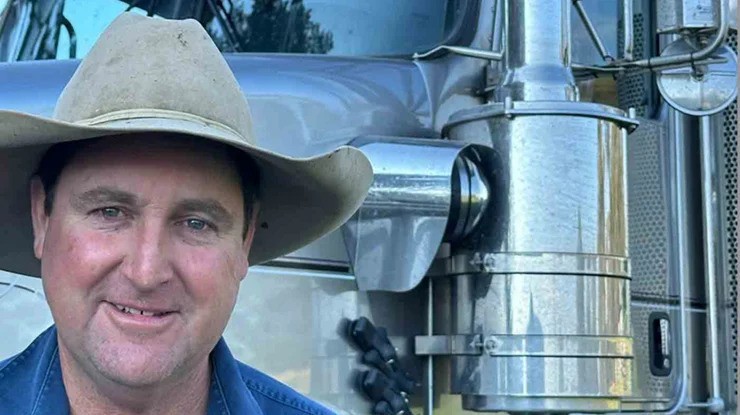
John Matthewson’s venture into the transport business began as a side hustle but quickly blossomed into a full-time enterprise. With a background deeply rooted in the red meat industry, John leveraged his years of experience in various roles, from buying for major supermarkets to exporting and working in transport, to build his company, BeefTrans.
“Trucking has always been in my blood. My father had a business which started in our home in Grafton,” John shared, reflecting on his long history in the industry.
John and his wife, Jenneke, launched BeefTrans in the New England area, where they now manage a fleet of eight trucks. Their business quickly expanded as demand for livestock transport services grew, and they sought to create a family-run operation that would provide opportunities for their sons. “After close to 30 years of working for other businesses, we decided to move into our own business. We have three sons and are trying to create a mixed business that gives our family members some options to become a part of it, if they choose,” John explained. Despite challenges in the industry, such as the decline of small trucking companies, BeefTrans has thrived, offering reliable, essential services for their farm and others.
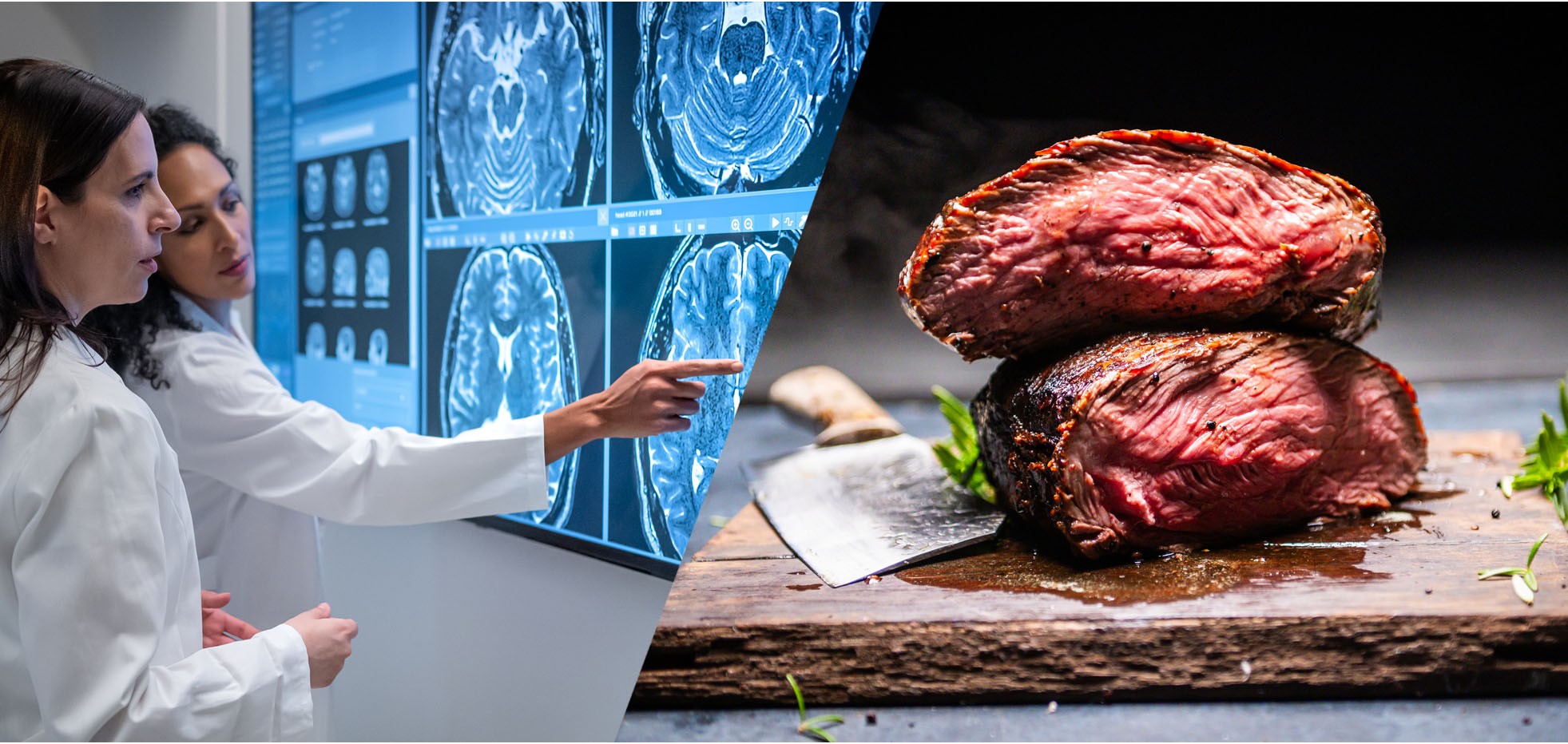
As a producer with first hand experience in the supply chain, John emphasised the importance of proper livestock preparation before transport. “We try to communicate with the people who use our services that the animal has to be as important as a person on a bus – they deserve a comfortable ride,” he said. His professional background has also given him a unique perspective on how livestock transport affects meat quality. “I’ve been involved with processing a lot of supermarket cattle over time and have seen a lot of meat quality issues that come down to animal welfare and animals not being properly prepared prior to trucking,” John noted.
John’s insights into managing stress in livestock and the proper handling of effluent highlight the careful planning necessary for successful transport operations. "The minute you go into the paddock to get that animal, their clock starts ticking and their stress rises. This affects everything from meat colour, fat colour and pH levels,” he explained. He also emphasised the challenges of managing effluent during transport: “Despite having up to date vehicles and tanks, a rain event can mean the overflow comes out the side of the trucks.”
Maintaining high standards of service, the Matthewsons are focused on quality over quantity, ensuring that their vehicles and drivers meet the highest criteria. “We’ve grown because people trust us – there’s surety of who drives into their place and the calibre of person who handles the cattle,” John said. While growing demand has presented opportunities, John is committed to keeping his business streamlined and efficient. “Rather than grow in size, we want to keep our gear modern, and just keep rolling along as best we can.”
Source: mla.com
image source: mla.com