If you’ve been watching the cattle market lately, you’ll know just how much stock has moved through the system over the past year or so.
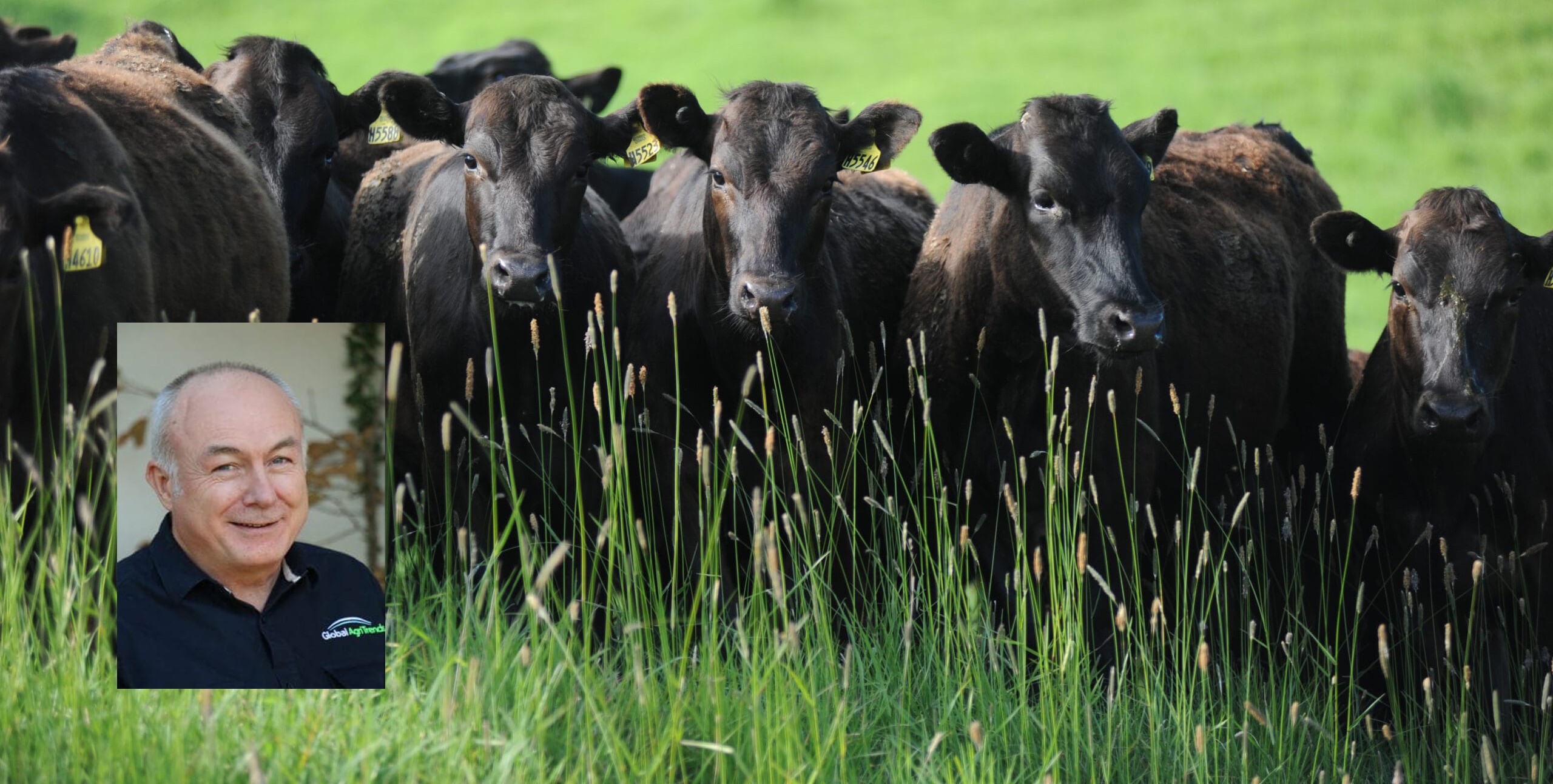
Recently, I’ve been digging into the latest market commentary from independent analyst Simon Quilty (Global AgriTrends), and his message is
one you might want to pay close attention to: Australia looks to be standing right on the edge of a herd rebuild.
Why the numbers point to a turn
Looking at the ABS figures (Mid 2026), southern Australian female slaughter ratios have pushed as high as 65.1% well above the 56.7% mark
where the herd generally holds steady. Combine that with the heavy offloading we’ve seen right here across New England and up into
southeast Queensland, and it’s clear the industry has been digging deep into its breeding base.
We’ve seen this movie before back in 2009 and 2016. When female turn-off runs that hard for several quarters, it rarely tapers off
gently once the season and price signals line up, female kills drop away fast and restockers step back into the market in a hurry.
What makes this cycle especially interesting is what’s happening overseas. Both the US and Brazil are in their own herd rebuilding phases,
which is tightening up global beef supplies. With US exports pulling back, Australian beef is increasingly stepping in to fill the gap
across major Asian markets like Japan, South Korea, and China.
Closer to home, southern processors, who carry about 14% more capacity than the north have been forced to reach north for cattle just to
keep their chains running. That underlying competition isn't going anywhere.
Why now is the time to plan ahead
Now, nobody has a crystal ball on exact timing. MLA’s projections paint a steadier recovery than Quilty’s forecast of a sharp price surge
into 2027. Either way, we all know how quickly the Australian cattle market can shift gears once confidence returns. By the time everyone
agrees a rebuild is underway, replacement cattle are usually a lot dearer to buy.
With that in mind, here are a few things worth thinking through for your own place right now:
-
Don’t wait to lock in your core breeders. If southern restocker demand fires up, buying back in late will eat straight into your margins.
If you’re looking to retain heifers or secure quality breeders, getting ahead of the curve could save you plenty down the track.
-
You can only rebuild as fast as your country allows. Taking stock of your pasture base, fodder reserves, and water setup
now puts you in control so you’re not forced to sell into a dip if the weather turns dry.
-
Plan for the cash flow shift. Moving from heavy turn-off years into a retention phase changes how money flows through the business. Holding
back heifers means building value in the paddock rather than seeing it hit the bank account straight away, so it’s worth sitting down with
your accountant or advisor early to map out your working capital.
Markets never ring a bell at the bottom of a cycle. Whether things lift steadily or take off quickly into 2027, having a clear game plan for
your herd, your feed, and your finances is the best way to make sure you’re on the front foot.
If you want to bounce some ideas around about your herd strategy, forward marketing options, or where the market is heading, give me a call
or catch up with the team at James Bradford Rural. We’re always happy to have a yarn and help you plan for the seasons
ahead.