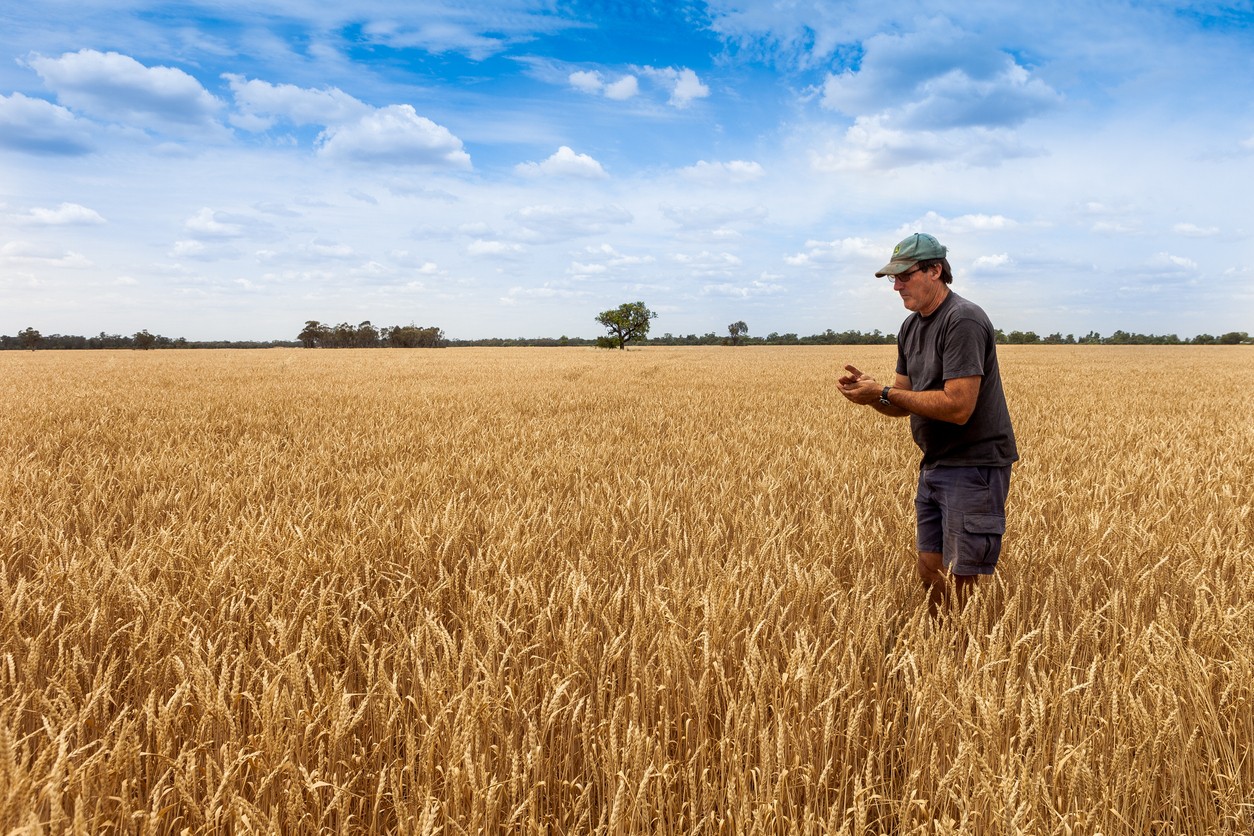
With fodder reserves currently high and a strong production period underway, landholders across New England and North West NSW are presented
with a timely window to secure their feed strategies ahead of changing weather patterns.
According to fodder broker Feed Central, current hay stocks remain healthy across major growing belts. However, Managing Director Tim Ford
warns that history often repeats itself, reminding producers how quickly surplus feed can evaporate when dry conditions set in.
"Less than 12 months ago, within our system we were down to about 20,000 tonnes and bringing hay in from Western Australia by road and
rail," Mr. Ford noted. "This shows just how fast these carryover seasons can disappear."
With long-term forecasts pointing toward expanding El Niño conditions already impacting parts of Queensland and spreading south the key
advice for growers and livestock producers alike is simple: make quality hay now and prepare for the long haul.
Local Beef Market Dynamics & Capacity
For producers in New England and North West NSW, aligning feed strategy with current livestock markets is essential:
-
Shifting yardings: Local saleyards across Tamworth, Gunnedah, and Inverell have seen fluctuating yardings as producers
weigh up seasonal options. Increased numbers of store cattle have entered the market in recent weeks as some vendors adjust stocking rates
ahead of the warmer months.
-
Pricing trends: Feeder steer prices have shown resilience, holding steady to firm, while secondary store cattle and
lighter lines present buying opportunities for those with secure feed options.
-
Building capacity wisely: Is now the right time to build herd capacity? If you have abundant local pasture or are putting
away high-density, high-quality fodder reserves, taking advantage of current store pricing allows you to build capacity cost-effectively.
However, doing so requires a clear long-term plan that accounts for rising feed costs if dry conditions stretch into next year.
Maximizing Value
For growers cutting and baling this season, freight efficiency is critical given current fuel costs increasing.
"Bale weight, density, location, and truck access are key considerations," Mr. Ford highlighted. Ensuring bales are tightly packed allows
transport companies to load to full capacity, reducing freight costs per tonne a win for sellers, buyers, and carriers alike.
While new-season supply may lead to short-term price adjustments for fodder, high-volume buyers such as feedlots and dairies remain active.
Staying proactive, focusing on top-tier hay quality, and locking in feed security now will ensure regional producers remain resilient no
matter what the upcoming season brings.
For tailored advice on local property, stocking options, and market insights across New England and North West NSW, get in touch with
the team at James Bradford Rural.