Stand on the edge of any paddock at sunrise across our region, and you’ll see a landscape built on generations of grit, local knowledge, and
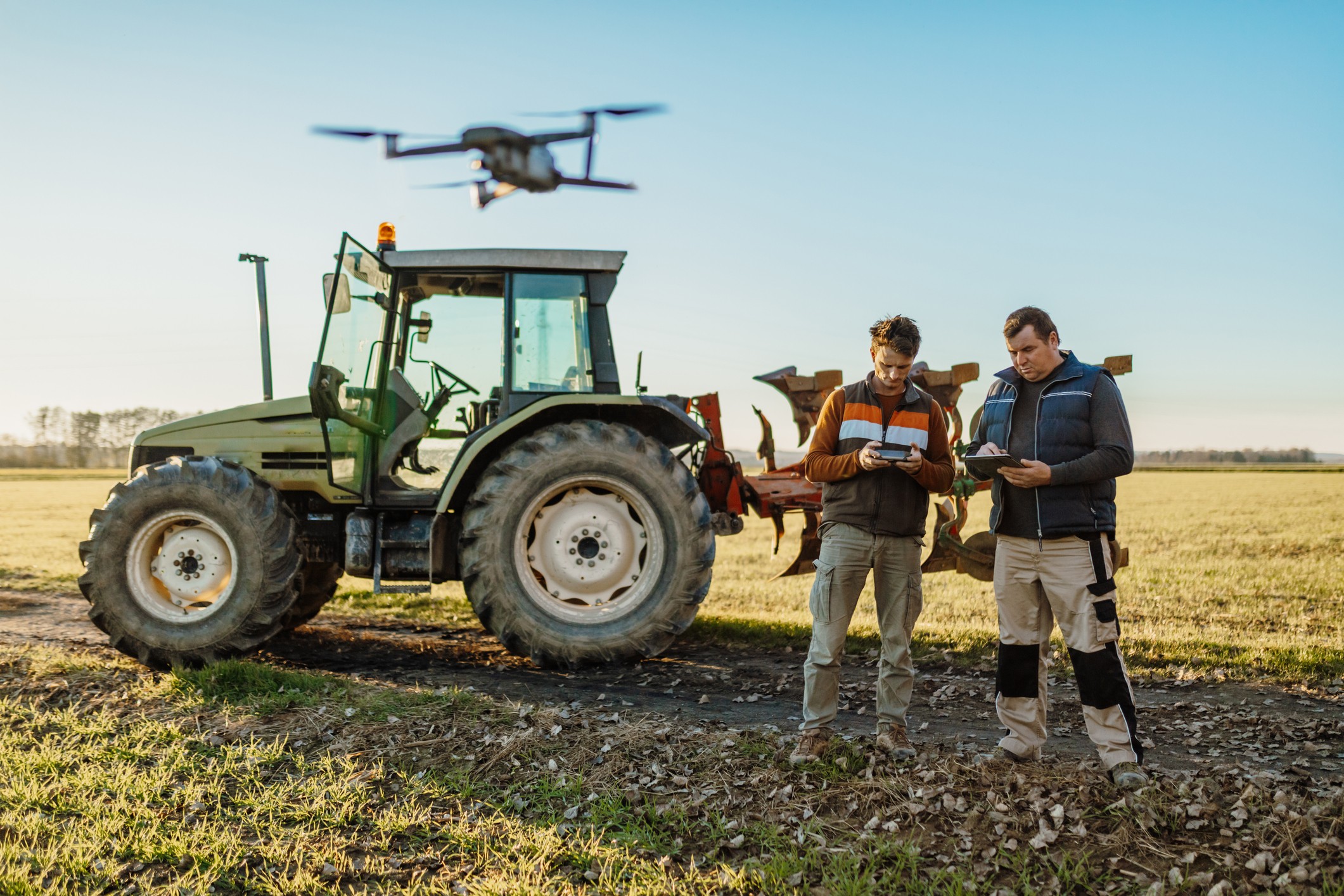
good old-fashioned hard work. But look a little closer at the horizon today, and you might just catch a user-friendly drone hovering
silently into view.
Agriculture is entering one of the most exciting chapters in its history. The next generation of Australian farmers isn't just inheriting
the land, they’re equipping it with Artificial Intelligence (AI). And far from replacing traditional bush smarts, these tools are proving
to be the ultimate game-changer for regional families.
Spotting weeds from the sky
Take weed management, one of the most labour-intensive challenges any land manager faces. Innovative platforms are bringing high-tech
intelligence straight to the farm gate.
Instead of spending days bouncing around in a ute doing manual surveys, landholders can now deploy drones equipped with AI and real-time
object detection models.
By analyzing high-resolution aerial imagery against customised colour swatches, say, the bright yellow bloom of a flowering weed the
software maps exact coordinates of target species in minutes.
But like everything, powerful tech only makes a real difference if everyday people can use it easily and affordably. By making weed
detection as simple as picking a colour on a screen, farmers can deploy sprayers with pinpoint accuracy, saving thousands in chemical costs
while protecting native pastures.
Checking livestock without opening a gate
While weed mapping is here today, the next big leap forward for regional graziers is automated livestock management.
Imagine checking a 2,000-acre paddock without starting the cruiser (no sponsorship included here). The next wave of agricultural AI will
blend thermal drone optics, satellite connectivity, and smart water-trough sensors to deliver real-time stock updates directly to a phone
screen:
-
Thermal sensors on autonomous drones will count cattle at first light, picking up subtle changes in body temperature or movement patterns
that indicate sickness days before a human eye notices.
-
Next, automated telemetry will monitor tank levels, water flow, and pasture biomass, telling you exactly which paddock has the feed and
where stock need moving next.
-
Machine learning algorithms will flag mothering behaviour or distress during calving, letting you intervene only when a beast genuinely
needs a hand.
A future built for the next generation
For my family, this evolving landscape isn't just a fascinating industry trend, it’s the exact future my three boys will grow up
to run.
Raising three young lads on the land means thinking deeply about what farming will look like in 10, 15, or 20 years. When my boys take
the reins of their own livestock operations, their days won't be defined by endless hours spent chasing water leaks or searching dense
scrub for stray cows.
There day might look like:
6:00am - review morning AI paddock scan & water telemetry report
7:30am - Target precision weed spot-spraying based on drone maps
10:00am - Focius on stock genetics, business growth and land health.
They will be true tech-enabled land managers. They’ll use AI data to make sharper decision with an accuracy previous generations could only
dream of.
And the best thing is the heart of farming, the love for the livestock, the connection to the country, and the mateship across the
fence won't change one bit. But the tools will make the lifestyle more sustainable, more profitable, and far more rewarding.
The future of regional agriculture is bright, smart, and well worth getting excited about.