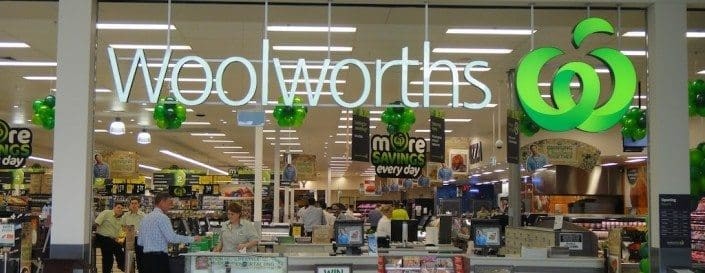
Woolworths, Australia's largest supermarket chain, announced a net profit of $1.7 billion for the financial year ending 30 June, marking a 3% increase from the previous year. This announcement comes amid heightened scrutiny of supermarket practices, particularly in relation to pricing and profit margins.
Both Woolworths and Coles have faced intense examination over the past year, with several parliamentary and regulatory inquiries delving into their pricing strategies. Coles reported a net profit of $1.128 billion yesterday, further fueling the debate about supermarket profits and their impact on consumers and farmers alike.
Sales and Profit Overview
Woolworths reported a 5.6% increase in sales to $67.9 billion, largely driven by its Australian supermarket operations. Despite experiencing losses in its New Zealand segment, the company achieved a net profit of $1.08 billion. The Australian supermarket division saw a 3.4% rise in sales, with eCommerce sales growing significantly by 20.2%.
After a decline in store-originated sales in the first half of the year, due to weaker consumer sentiment, there was some recovery in the fourth quarter. Woolworths also saw a reduction in average retail prices for the first time since early 2022, with a 0.2% drop in Q3 and a 0.6% decrease in Q4, particularly in fresh meat and produce.
Impact on Farmers and Regional Communities
The substantial profits reported by Woolworths have sparked concerns among farmers across regional NSW. Woolworths’ Australian supermarket division alone generated $50.1 billion in sales last year, a 5.3% increase, with pre-tax earnings rising by 6%. Despite this, average retail prices for fruits, vegetables, and meat have decreased, reflecting lower livestock prices passed on to consumers.
Rebecca Reardon, Vice President of NSW Farmers, highlighted that these high profits underscore the financial pressures faced by farmers. "The billion-dollar profits of these supermarket giants contrast sharply with the financial difficulties experienced by farmers," Reardon said. "Food prices have increased by over 14% in recent years, yet many farmers are receiving prices below their production costs. This disparity puts undue pressure on our farming community, which is essential for supplying food to Australian families."
Reardon called for urgent reforms, including a mandatory Food and Grocery Code of Conduct and enhanced regulatory powers, to address supermarket practices. She stressed the need for meaningful action to ensure fair competition and pricing in the food supply chain.
Woolworths’ Expansion and Shareholder Returns
Woolworths has expanded its operations, now running 1,111 supermarkets across Australia, including 17 new stores added over the past year. The board declared a final dividend of 57 cents per share, along with a special dividend of 40 cents, bringing the total full-year dividend to $1.44 per share—a 38.5% increase from the previous year.
With Woolworths’ shares trading at $36.50, up around a dollar from the previous day, the company continues to navigate the challenges and opportunities within the competitive supermarket sector.
Looking Ahead
As Woolworths and Coles report their record profits, attention remains focused on the broader implications for regional NSW farmers and the need for systemic reforms to address pricing and competition issues in the supermarket industry.
Source: Beef Central