If you’ve been keeping an eye on global beef markets, you might have noticed a quiet but significant shift happening across the UK and it’s good news for Australian beef producers, but no surprise.
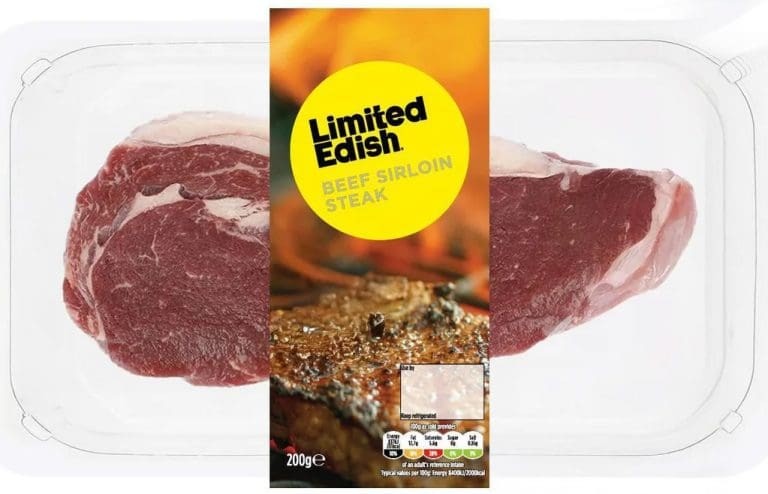
One of Britain’s biggest supermarket chains, Morrisons, has expanded its trial of Australian fresh beef across 40 of its major stores. For decades, Morrisons proudly stuck to a 100% British meat policy, so this move marks a real turning point in UK retail.
The range branded under the cheeky name “Limited Edish” features Aussie ribeyes, sirloins, rumps, and eye fillets, sourced mainly from JBS Australia’s certified grassfed programs. While it still makes up less than 2% of Morrisons’ fresh beef turnover, the signal is clear: the door is opening for Australian beef in a market that has been notoriously hard to access.
So, what’s driving the change?
The UK beef market is under serious pressure. Domestic production is forecast to fall by around 4% in 2025, while retail beef prices have surged by 30–44% in the past year. Put simply UK shoppers are paying more, and retailers are scrambling to keep meat affordable.
That’s where Australia steps in.
Through the post-Brexit UK-Australia Free Trade Agreement, our exporters now have smoother access to one of the world’s highest-value beef markets. Aussie beef, long prized for its quality, consistency, and value, is now being used by UK supermarkets to bridge the supply gap and offer customers premium meat at more competitive prices.
To give you an idea of the price point difference:
- UK ribeye steak: £30/kg
- Australian ribeye (Limited Edish range): £30/kg
- Premium British sirloin: up to £46/kg
So while the price advantage isn’t enormous yet, the consistency of Australian supply and quality could make all the difference as UK farmers face cost and climate pressures.
Of course, not everyone is thrilled. UK farmers and advocacy groups have voiced concerns about “undermining British agriculture” and differences in welfare standards. But as Morrisons and other retailers like Asda and Sainsbury’s broaden their sourcing, it’s clear this shift isn’t just a passing phase, it’s part of a global recalibration of red meat supply.
For Australia, the opportunity here is strategic and long-term:
✅ Continue to strengthen our reputation in premium overseas markets.
✅ Build brand recognition for grassfed and sustainable Australian beef.
✅ Diversify export demand as Asia and North America markets fluctuate.
While it’s still early days, this trial hints at a bigger opportunity for Australia to secure shelf space and consumer trust in one of the world’s most discerning markets.
As global beef dynamics evolve, one thing’s for sure: Australian beef isn’t just competing - it’s quietly winning new ground
Image source: Beef Central