With bumper rainfall across the region this winter, pastures are thriving but so too is the risk of bloat in cattle and sheep. As we move into spring, producers should stay vigilant and take proactive steps to protect their stock.
What is bloat and why is it a problem?
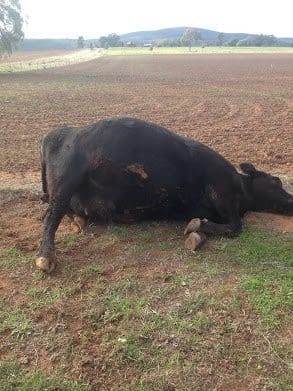
Bloat occurs when gas builds up in the rumen and cannot escape, often caused by young, lush pasture with high legume content (such as clover, medics or lucerne). Foaming agents in these plants trap gas in the rumen, leading to severe swelling on the animal’s left side. If left untreated, bloat can quickly become fatal due to pressure on the lungs and blood flow.
Signs to watch for:
- Swollen left flank
- Animals stop grazing or appear distressed
- Reluctance to move, vocalising, bulging eyes
- Rapid breathing, tongue protruding
- Staggering or going down in severe cases
Treatment and emergency action:
Mild cases can often be managed with oral anti-bloat preparations and movement to mix the product with rumen contents. Moderate to severe cases require urgent attention, sometimes using a stomach tube or, in emergencies, direct relief of pressure via trocar or incision. If you’re unsure or dealing with advanced cases, contact your vet immediately.
Sheep and bloat:
While bloat is generally less severe in sheep, it often coincides with enterotoxaemia (pulpy kidney). Vaccination against clostridial diseases (5-in-1) is strongly recommended before putting sheep on lush pastures.
Prevention is key:
- Fill animals on hay before moving onto risky pasture
- Restrict grazing time or use strip grazing
- Provide anti-bloat blocks, roller lickers or oil additives in water
- Spray pastures with pasture oil or apply anti-bloat treatments directly
- Use anti-bloat capsules for longer-term prevention
- If hand feeding daily, add liquid bloat preventatives or products containing monensin to the feed
With pastures booming thanks to winter rains this year, the risk of bloat is particularly high this spring. Being proactive can save lives and prevent losses.
Source: Beef Central. www.dpi.nsw.gov.au