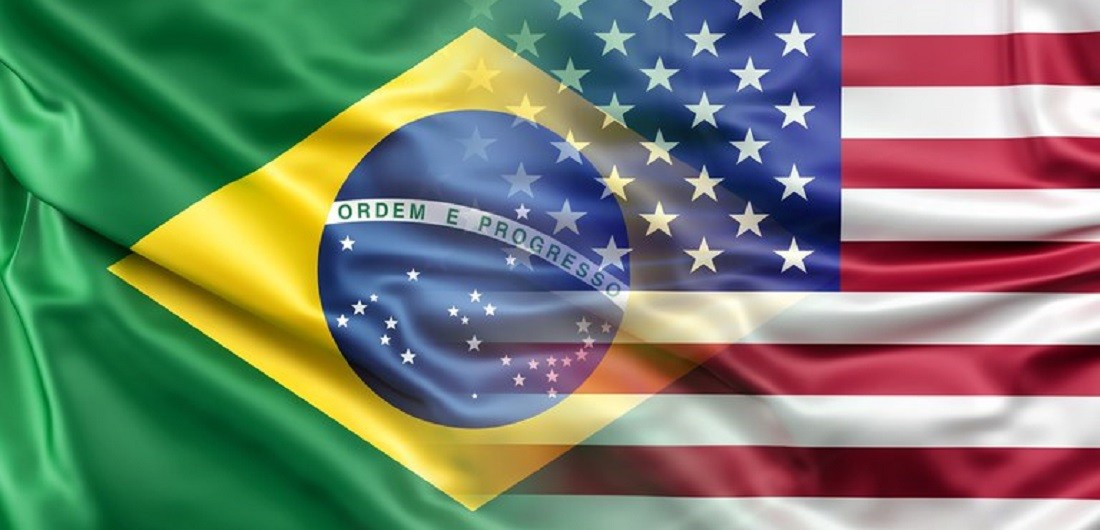
For the first time, Brazil has overtaken Australia as the largest supplier of beef to the United States, reflecting a sharp shift in global trade patterns driven by tightening U.S. cattle supplies and rising demand.
In April 2025, Brazil exported 48,000 tonnes of beef to the U.S., increased dramatically from 8,000 tonnes a year earlier. Meanwhile, Australia - traditionally the top exporter - shipped 38,431 tonne in May, increasing 23% year-on-year, and remains a major player thanks to its 448,000-tonne tariff-free quota under a bilateral free trade agreement.
Brazil’s surge was partly due to the urgency to fill the 65,000 tonne MFN quota in just 17 days in January. Now, all additional Brazilian beef faces a 36.4% tariff (26.4% out-of-quota + 10% reciprocal tariff). In contrast, Australia only pays the 10% tariff, giving it a 26.3% cost advantage over Brazil. Despite this, Brazil’s beef is 9–10c/lb cheaper due to lower land and labour costs. While not used by major U.S. retailers or burger chains like McDonald’s, Brazilian beef is increasingly being used by smaller fast-food outlets and processors seeking lower input costs.
Rising U.S. consumption and record-high domestic cattle prices are also playing a role. In May, U.S. fed cattle slaughtering’s dropped by 7.5% and manufacturing meat production fell 33% compared to two years ago, increasing reliance on imports.
Analysts warn this may signal a broader shift in global agriculture, as lower-cost producers like Brazil gain market share. Brazil’s recent FMD-free status opens doors to premium markets in Japan and Korea, increasing its global competitiveness. However, McDonald’s has identified they will exclusively source their beef from Australia and New Zealand only.
Still, Australia’s focus on high-quality, food-safe beef, positions us well despite increased price pressure. As global trade becomes more fluid, maintaining premium standards may help Australia stay resilient in a more competitive environment.
Content Source: beefcentral.com.au