Gina Rinehart’s recent purchase of the renowned Wirribilla property near Walcha isn’t just a headline-grabbing purchase, it could mark the beginning of a new era for regional New South Wales. The opportunities are numerous as the land is being shifted from foreign ownership to one of Australia's leading agriculture investors. So, what may this mean for regional NSW farming and economy?
The purchase of Wirribilla may be more than just a strategic addition to Gina Rinehart’s growing pastoral empire. It completes a string of notable purchases in the New England area, increasing S. Kidman & Co. and Hancock Agriculture's combined footprint to almost 42,000 hectares. These holdings, which include established cattle infrastructure and rich grassland, present a growing amount of investment that has the potential to change the image of regional NSW, both as a place to invest and a place to live.
Could this growing portfolio of elite pastoral assets encourage a wave of renewed confidence in rural NSW real estate? Only time will tell, but the message is clear…if someone of Gina Rinehart’s scale and strategy is placing long-term bets on the region, others may soon follow.
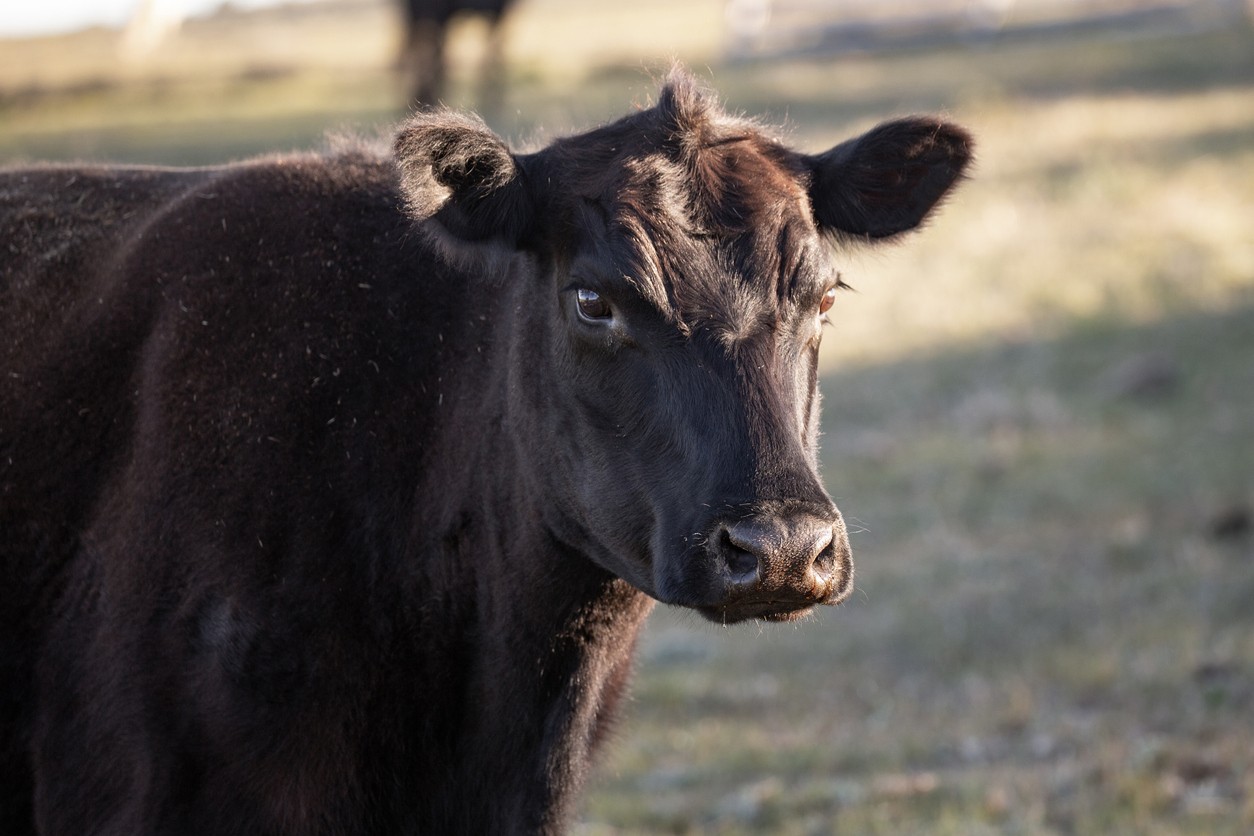
While the full scope of development remains to be seen, these acquisitions could pave the way for job creation and regional skills development. If Wirribilla and the surrounding properties (Inverell and Armidale) are used as intended - for Wagyu cattle breeding and backgrounding - it will likely require new teams of workers, upgraded infrastructure, and ongoing investment in local supply chains.
Adding to this wave of possibility is a change that no one can engineer…rainfall. After enduring prolonged droughts, many areas of regional NSW have received improved and consistent rainfall. The Gunnedah landscape is certainly greener, the creeks are fuller, and the air is lighter with opportunity.
Another tailwind on the horizon is the widely anticipated decline in interest rates. As monetary policy begins to ease, the cost of borrowing for agricultural enterprises is expected to fall, potentially unlocking a new wave of capital investment across the sector. Lower rates could empower both large-scale investors and family-run farms to expand operations, upgrade infrastructure, or innovate with new technologies. Our region is already seeing renewed confidence thanks to high-profile purchases, this could amplify momentum - accelerating the transformation of regional NSW agriculture into a more modern, globally competitive force.
If these favourable conditions continue, they could be the missing link that allows investment and vision to take flight. Productive land, skilled management, decline in interest rates and a more forgiving climate - is a rare combination that could reignite confidence in agriculture’s future.
Image Credit: The Armidale Express