


News
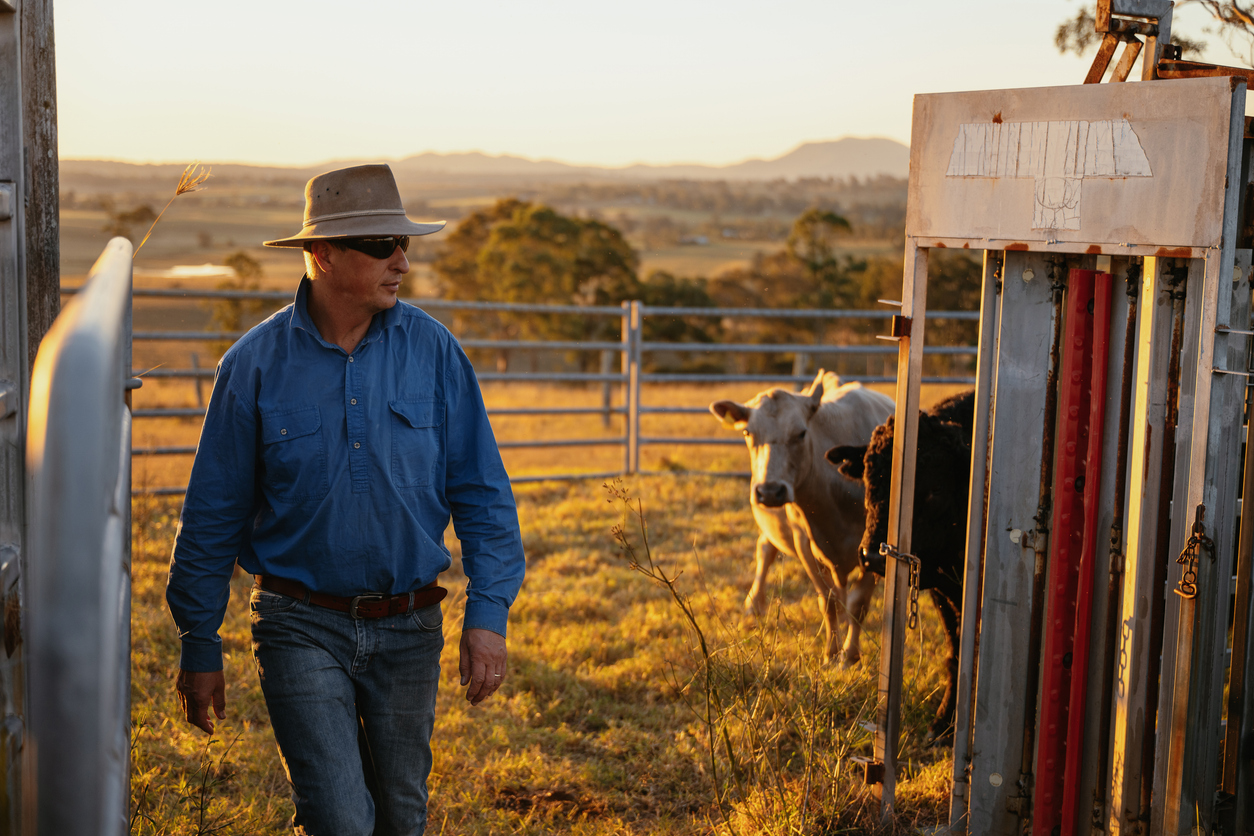
The recent surge in the Australian dollar has taken some of the gloss off local export prices, but a deeper look at the global market reveals massive, long-term opportunities for cattle producers right here in the Gunnedah basin and across the region.
Here is a breakdown of what is happening on the global stage and more importantly, what it means for your gate returns.

If you’ve been keeping an eye on the latest federal budget, you know there’s been plenty of debate. But among the headlines, there is some genuinely good news for our farming community: the Instant Asset Write-Off looks like it will be made permanent.
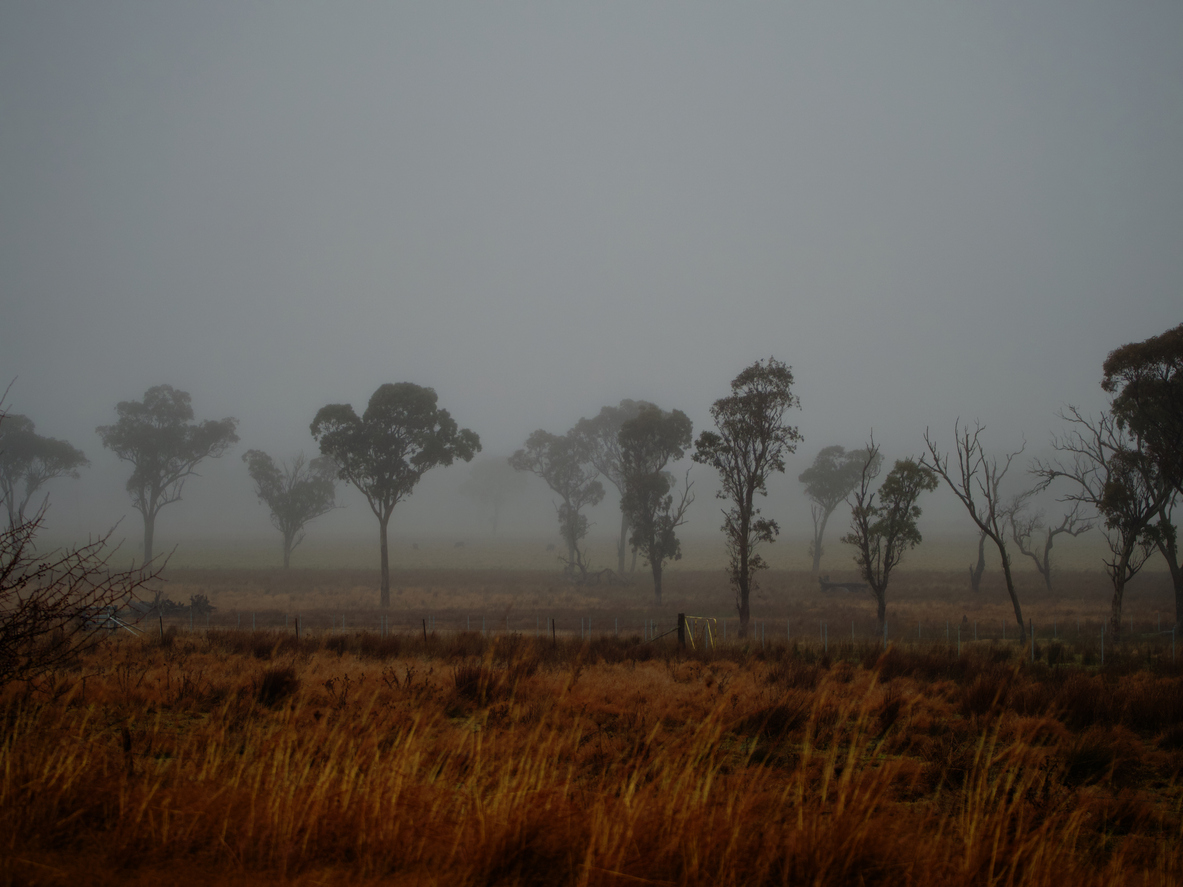
After watching the dust settle across the region for far too long, the skies finally opened up this week, delivering a handy, steady dose of rain exactly where we needed it most. For producers across Tamworth, Gunnedah, and the wider New England and North West regions, the downpour has been described as an absolute godsend—bringing a massive sigh of relief and a much-needed glimmer of hope for the winter season ahead.

If you’ve spent any time in the yards lately, you know the old saying: 'The customer is always right.' But in the modern beef supply chain, that's no longer enough. The new challenge isn’t just giving the customer what they want, it’s providing them with the data and peace of mind they didn’t even know they needed five years ago.

It is often said in this industry that we are all just one good rain away from a change in fortune. While we certainly aren’t weather experts and we’re all still waiting for the sky to truly open up, the little bit of moisture we’ve seen across the region lately has been enough to put a noticeable spring in the step of the market.
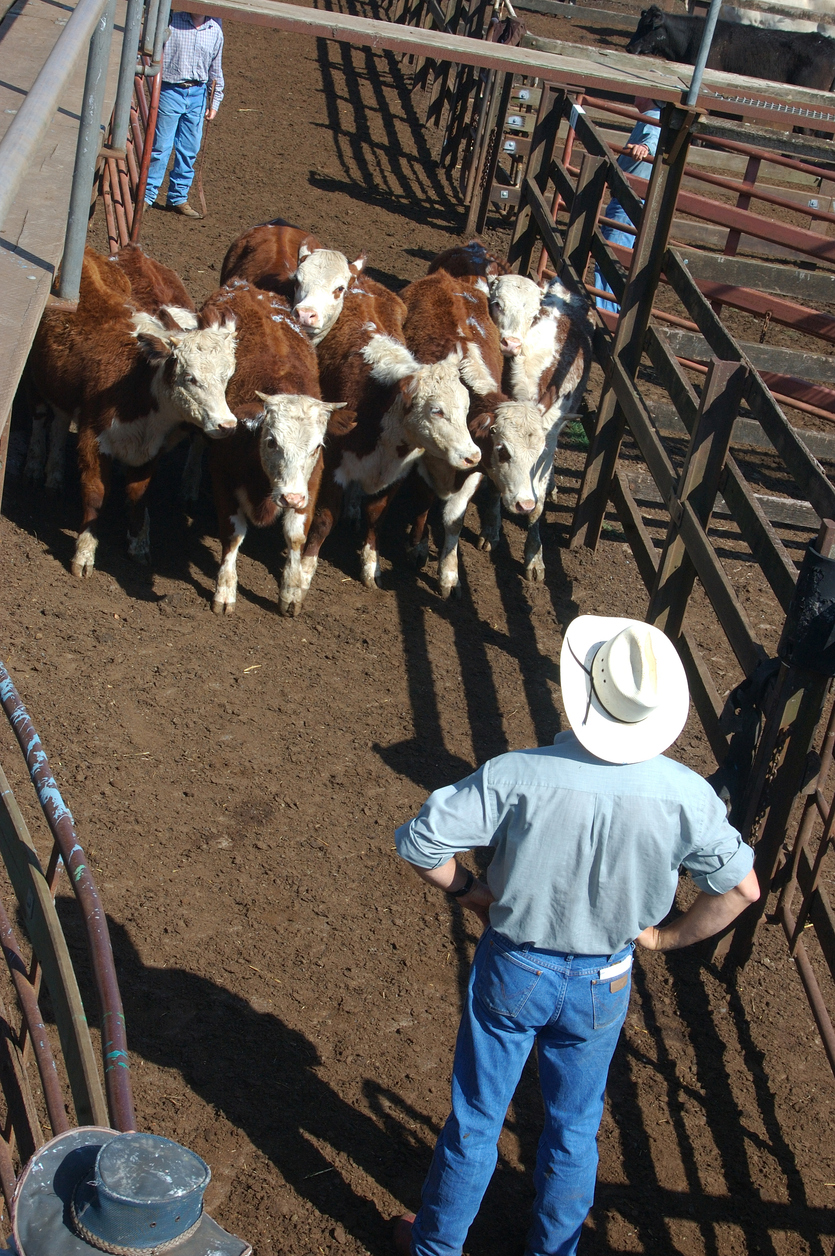
If you've been keeping a close eye on the yards here in Gunnedah this week, and the mood is shifting. We saw close to 6,000 head through the gates on Tuesday, down 1,300 from last week and honestly, that tells the story better than anything else. I think we’ve finally passed the peak of this mass exodus.
We often talk about the farm gate as if it’s a world away from the supermarket checkout. But the reality is that the two are tethered by a very fragile thread and right now, that thread could become under significant tension.

At James Bradford Rural, we take great pride in our accredited membership with the RMA Network. It is a partnership built on independence, strength, and a shared commitment to the livestock and property industries. This week, we are thrilled to join our colleagues across Australia in celebrating a significant leadership milestone for the network.

In the current climate, it’s easy to focus on the hurdles, fuel prices, shipping delays, and global pressures. But as Jack’s Creek Head of Sales, Kaine Allan, recently noted at the London Expo, the demand for Australian beef is defying the odds. The real players in the market, the chefs, the butchers, and the high-end wholesalers are making their choice clear. And they are choosing Australia for one primary reason: Consistency.

As of Wednesday April 1, there is finally some mathematical relief with Prime Minister Anthony Albanese announcing a 26.3 cent per litre reduction in the fuel excise for the next three months. Certainly a welcome breather just in time for the Easter long weekend.
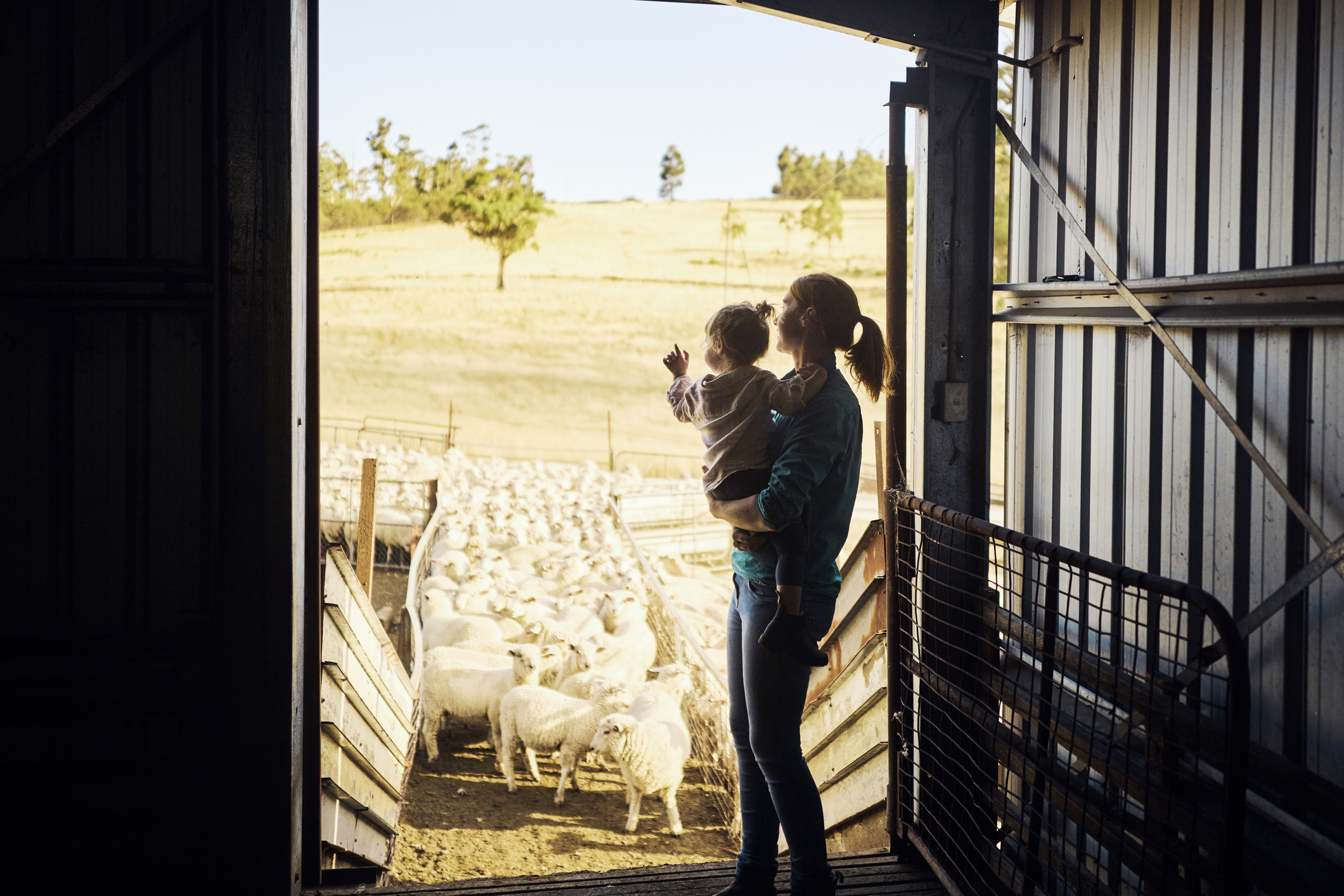
At James Bradford Rural, we believe in a "Fair Go" the idea that if you put in the hard work, you should get a clear run at the rewards. Unfortunately, the news coming out of the latest Australia–EU Free Trade Agreement (FTA) signed this week feels like our industry was left standing at the gate while the negotiators were inside talking a different language.
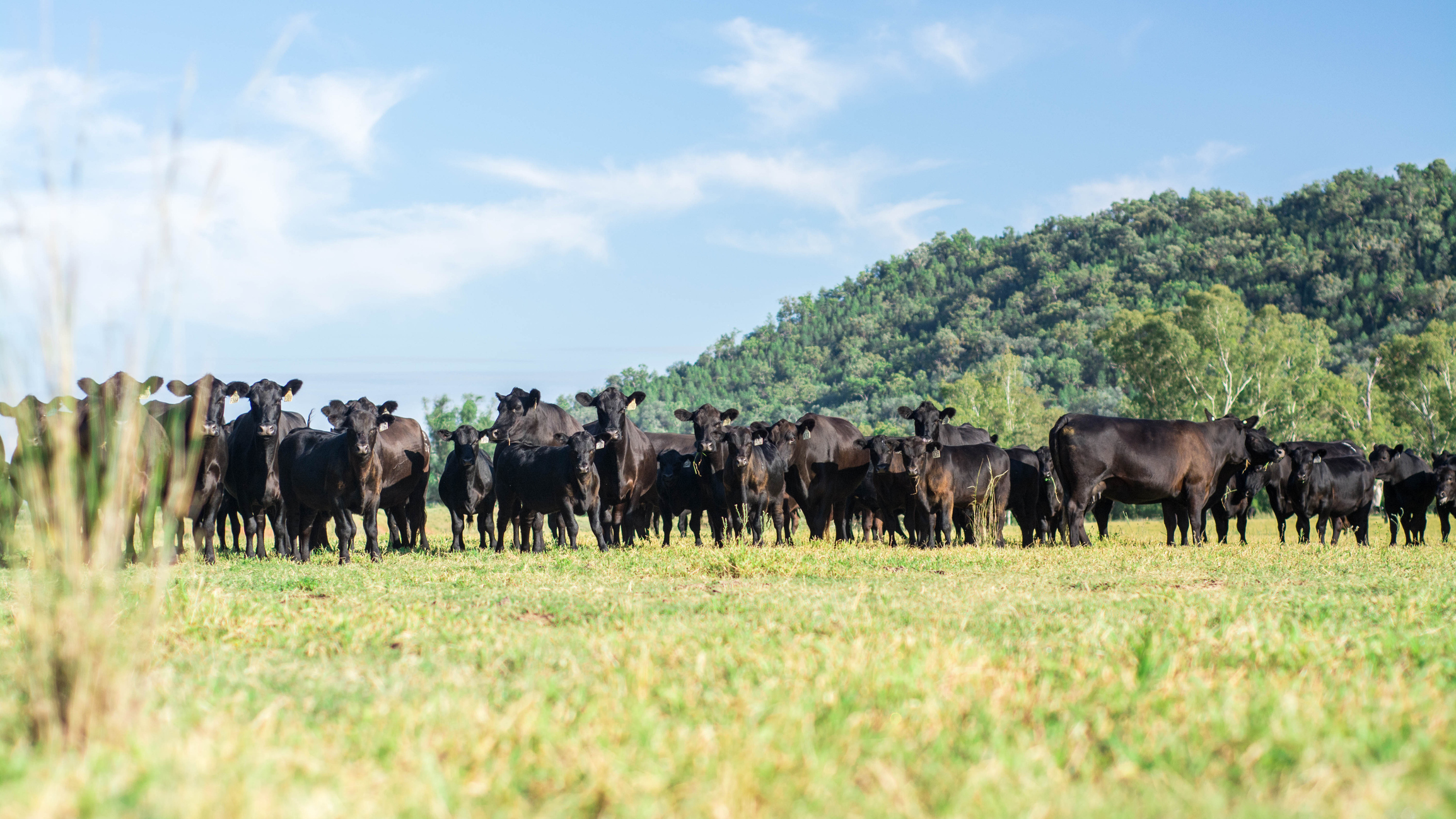
The view from the paddock is changing fast. For the team at James Bradford Rural, our goal is to ensure you aren’t just a passenger to these shifts you are positioned to lead them. Recent insights from the Pasture Agronomy Service conference in Wagga Wagga have painted a vivid picture of a fundamental change in the Australian beef landscape.