I’ve been reading through the latest Rabobank Fertiliser Outlook, and frankly, it’s a wake-up call for anyone who eats. The report highlights that global fertiliser markets are in a state of severe strain. With the ongoing disruptions in the Middle East and the effective closure of the Strait of Hormuz, we aren't just talking about a minor market hiccup; we are witnessing an abrupt supply shock of critical agricultural inputs.
What does this mean for our local farmers?
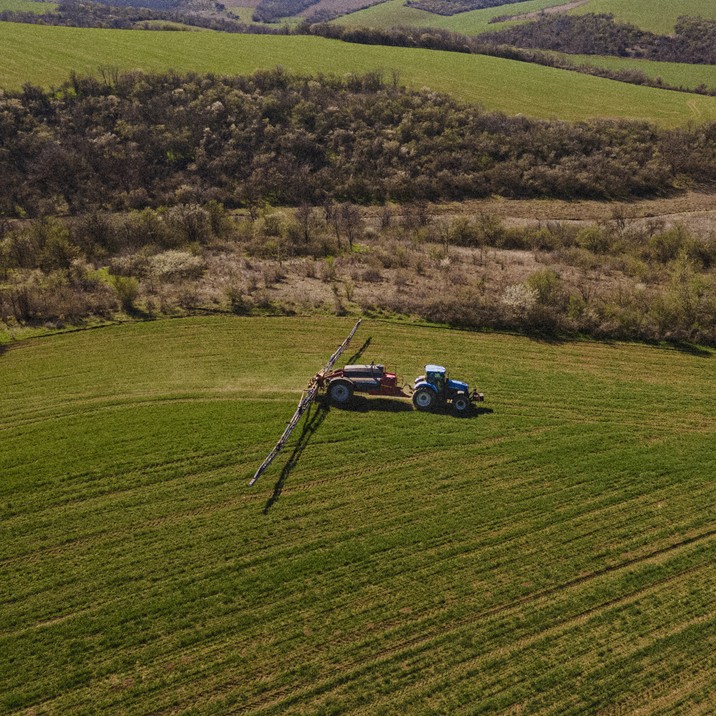
Here in Australia, we are heavily reliant on imported urea and phosphates. Even with a strong Aussie dollar trying to buffer the blow, retail prices for these inputs remain stubbornly high. Farmers are currently caught in a vice: the cost of growing a crop has skyrocketed, while grain prices haven't kept pace.
When you put those two together, you get what we call margin compression. In plain English? It means farmers are being forced to make some tough calls. They’re looking at shifting away from traditional crops like wheat in favour of varieties that require less fertiliser, or worse, they’re reducing application rates altogether.
Why you should care
If we continue down this path of demand destruction where farmers simply cannot afford to grow crops at current price points, the long-term impact on global food stability is unavoidable. We are looking at a future where the ingredients for your morning toast, your evening pasta, and your fresh produce become more expensive, or less reliable, because the foundational inputs for our food system are being squeezed out of the market.
It’s easy to look at global geopolitics and think it’s someone else’s problem. But when our food security is tied to the price of urea in the Middle East, it becomes everyone’s problem.
Let’s start the conversation.
Have you noticed shifts in the grocery aisle recently?
How do you think we can better support our regional producers during these volatile times?
Do you have concerns about how these costs are affecting your local community?
Share your perspective, I’d love to hear how you’re seeing these pressures play out at home.