This week’s falls could be a Godsend for the season
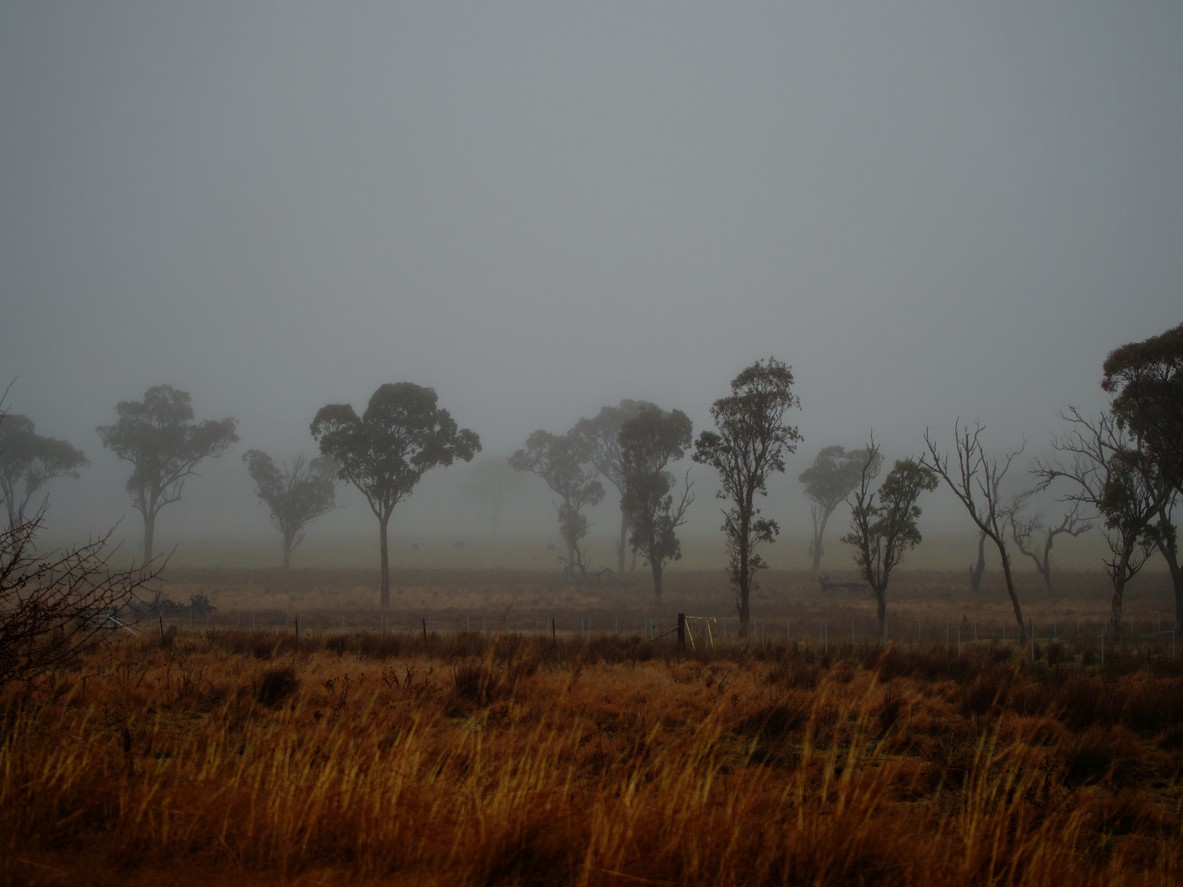
Steady rain finally arrived this week across Tamworth, Gunnedah, and the wider New England and North West regions, bringing much-needed relief and hope to local producers ahead of winter.
Read more
Steady rain finally arrived this week across Tamworth, Gunnedah, and the wider New England and North West regions, bringing much-needed relief and hope to local producers ahead of winter.
If you’ve spent any time in the yards lately, you know the old saying: 'The customer is always right.' But in the modern beef supply chain, that's no longer enough. The new challenge isn’t just giving the customer what they want, it’s providing them with the data and peace of mind they didn’t even know they needed five years ago.
It is often said in this industry that we are all just one good rain away from a change in fortune. While we certainly aren’t weather experts and we’re all still waiting for the sky to truly open up, the little bit of moisture we’ve seen across the region lately has been enough to put a noticeable spring in the step of the market.
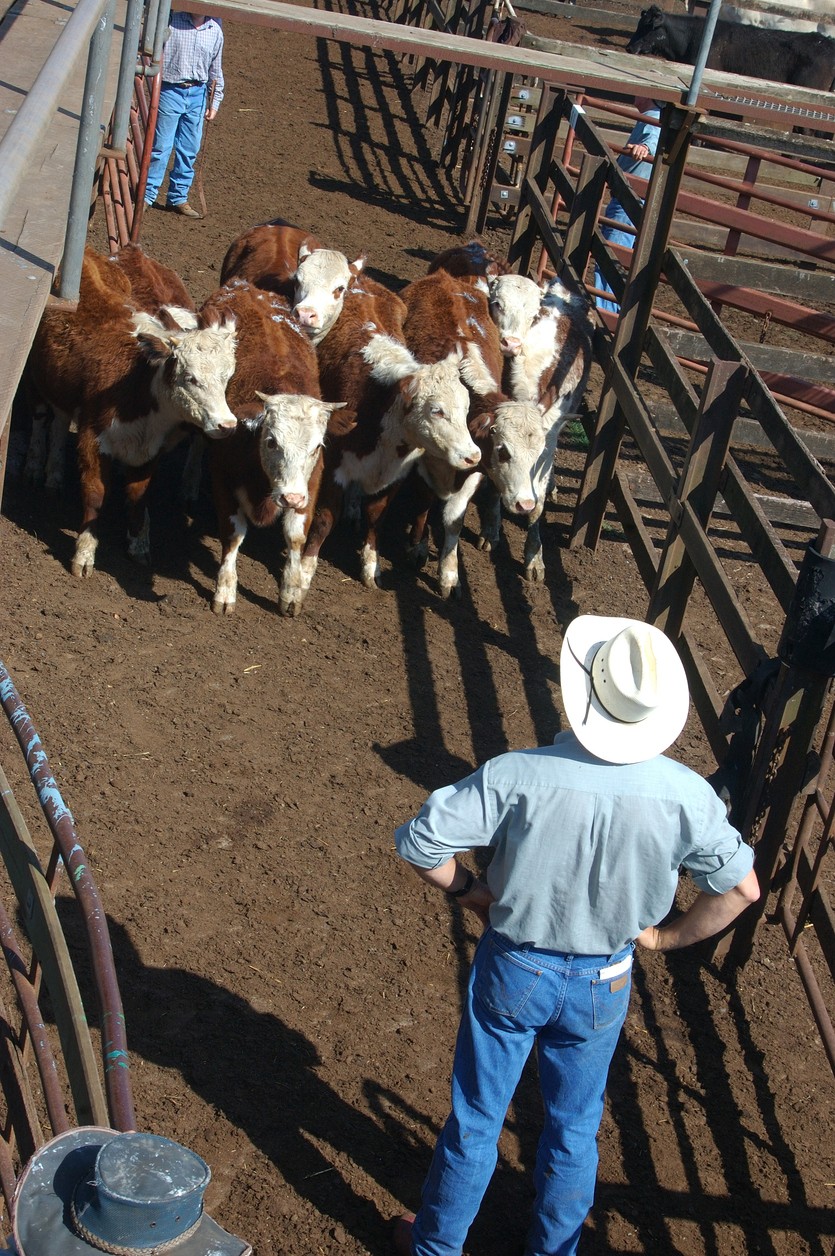
If you've been keeping a close eye on the yards here in Gunnedah this week, and the mood is shifting. We saw close to 6,000 head through the gates on Tuesday, down 1,300 from last week and honestly, that tells the story better than anything else. I think we’ve finally passed the peak of this mass exodus.
We often talk about the farm gate as if it’s a world away from the supermarket checkout. But the reality is that the two are tethered by a very fragile thread and right now, that thread could become under significant tension.
At James Bradford Rural, we take great pride in our accredited membership with the RMA Network. It is a partnership built on independence, strength, and a shared commitment to the livestock and property industries. This week, we are thrilled to join our colleagues across Australia in celebrating a significant leadership milestone for the network.
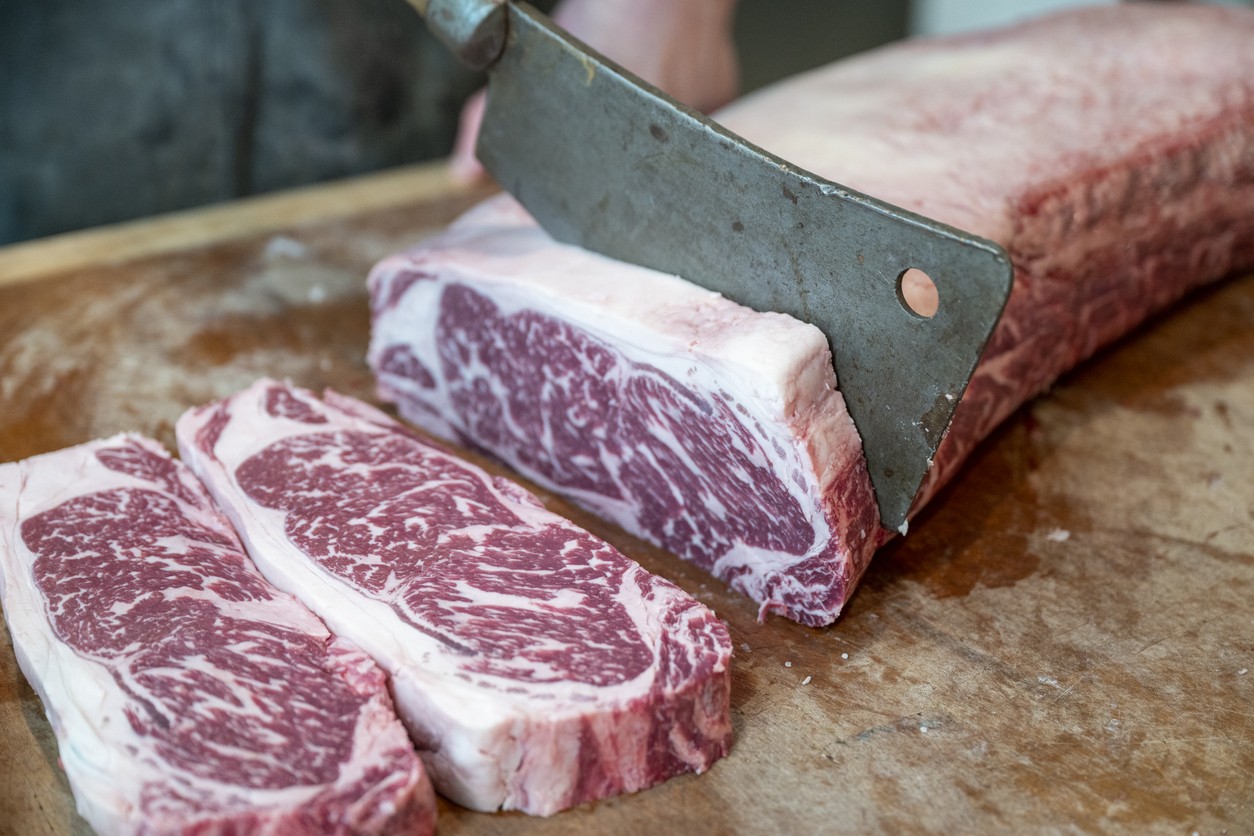
In the current climate, it’s easy to focus on the hurdles, fuel prices, shipping delays, and global pressures. But as Jack’s Creek Head of Sales, Kaine Allan, recently noted at the London Expo, the demand for Australian beef is defying the odds. The real players in the market, the chefs, the butchers, and the high-end wholesalers are making their choice clear. And they are choosing Australia for one primary reason: Consistency.
As of Wednesday April 1, there is finally some mathematical relief with Prime Minister Anthony Albanese announcing a 26.3 cent per litre reduction in the fuel excise for the next three months. Certainly a welcome breather just in time for the Easter long weekend.
At James Bradford Rural, we believe in a "Fair Go" the idea that if you put in the hard work, you should get a clear run at the rewards. Unfortunately, the news coming out of the latest Australia–EU Free Trade Agreement (FTA) signed this week feels like our industry was left standing at the gate while the negotiators were inside talking a different language.
The view from the paddock is changing fast. For the team at James Bradford Rural, our goal is to ensure you aren’t just a passenger to these shifts you are positioned to lead them. Recent insights from the Pasture Agronomy Service conference in Wagga Wagga have painted a vivid picture of a fundamental change in the Australian beef landscape.
I was reading a story this morning that really stuck with me. Probably because we all have rain on the brain at the moment in Northwest NSW.
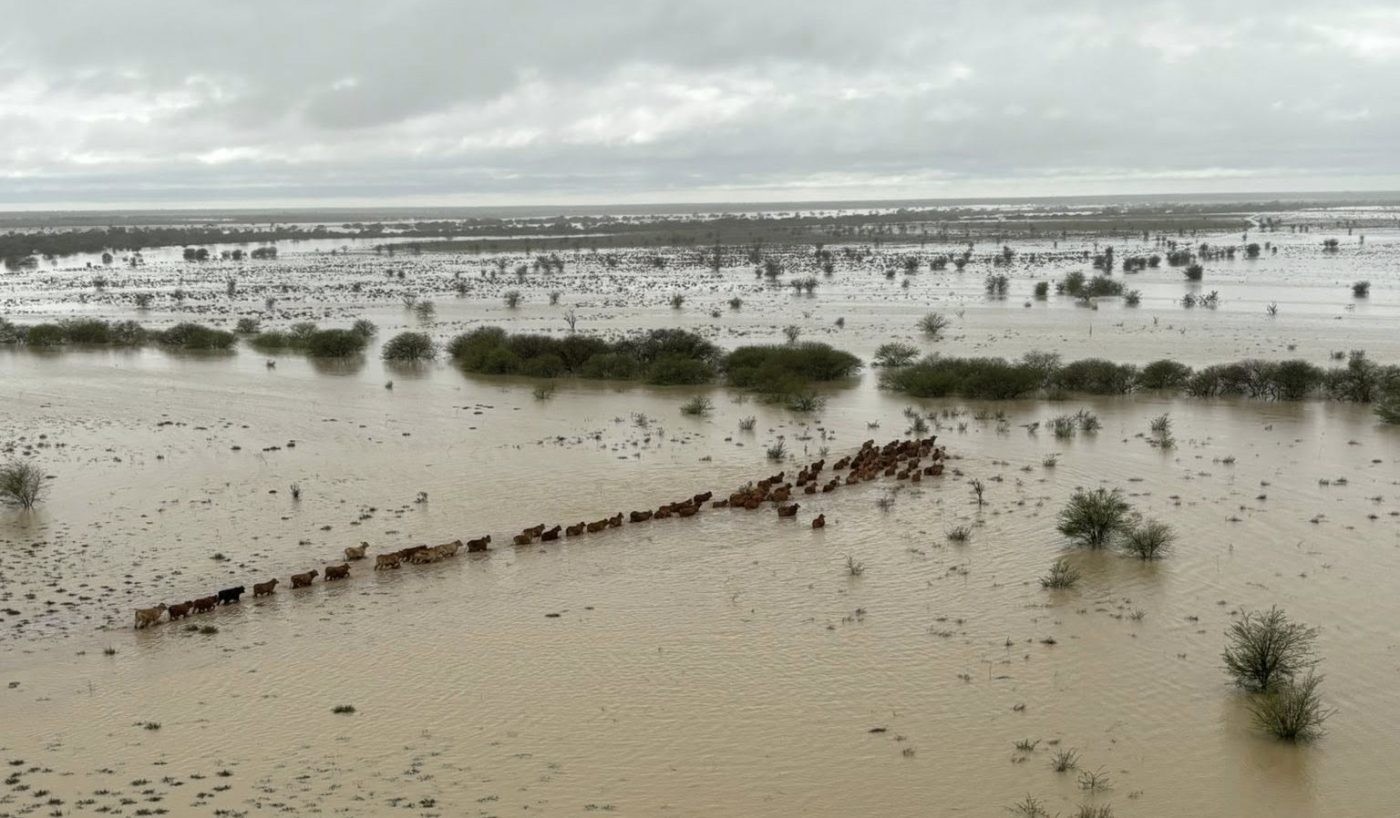
But in this case it was a report on the Flood Refuge Mounds (FRMs) up in North-West Queensland.
We’ve all seen the numbers at the bowser lately, and let’s be honest, they’re enough to make anyone uncomfortable. With diesel prices jumping between 30 and 60 cents in just a few days, it’s the talk of the town from the coffee shop to the saleyards.
The situation in the Middle East is moving fast, and as an export-dependent nation, it looks like Australia is right in the firing line. While the headlines often focus on the conflict itself, the "side effects" for the Australian ag sector, specifically fuel and fertiliser could be the real story for our local economy over the coming weeks.
It’s been a massive week for global trade news. If you’ve been watching the headlines out of Washington, you’d be forgiven for having a bit of whiplash. Following a high-stakes showdown in the US Supreme Court, President Trump has overhauled his tariff regime.
Has the world gone mad?
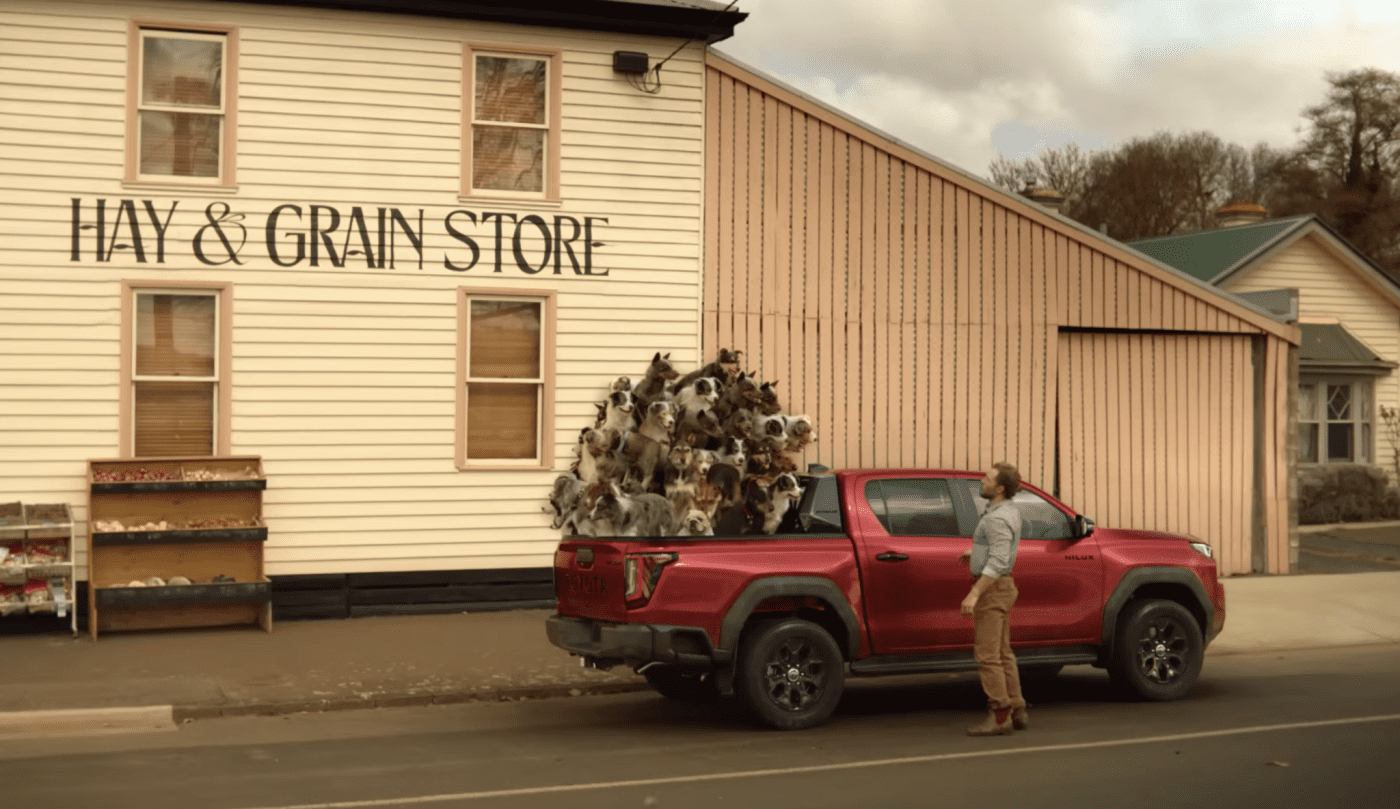
The latest Toyota HiLux "Pied Piper" commercial has officially been sent to the doghouse by Australia’s Ad Standards watchdog. Why? Because the dogs weren't "tethered" in the back of the tray
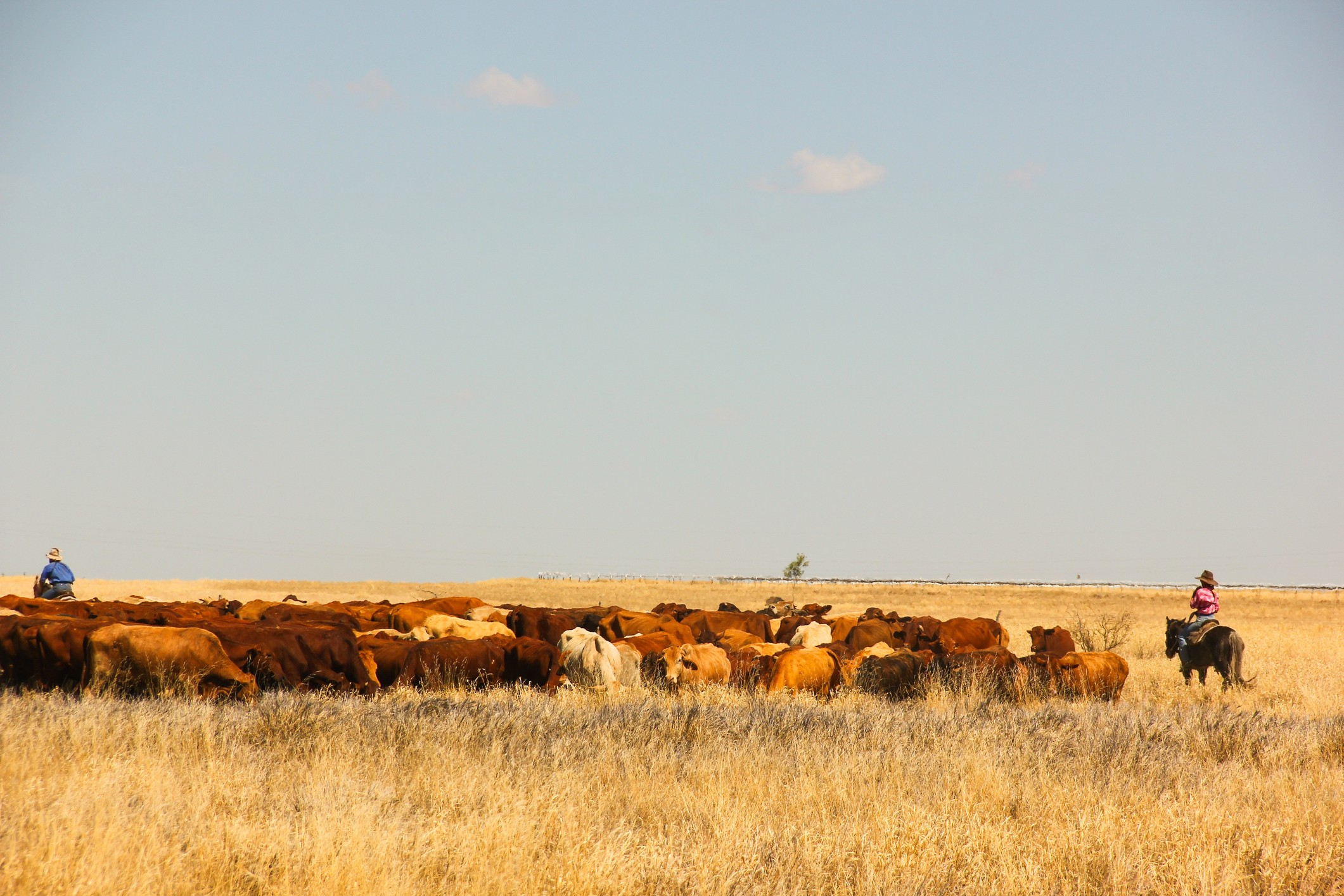
After a grueling stretch of scorching temperatures and relentless dry spells, I'm sure all of us across regional New South Wales are looking to the skies this week with renewed hope. With the mercury regularly hitting the high 30s and 40s, the landscape has taken a hit. Pastures are parched, and surface water is vanishing at a rapid rate.
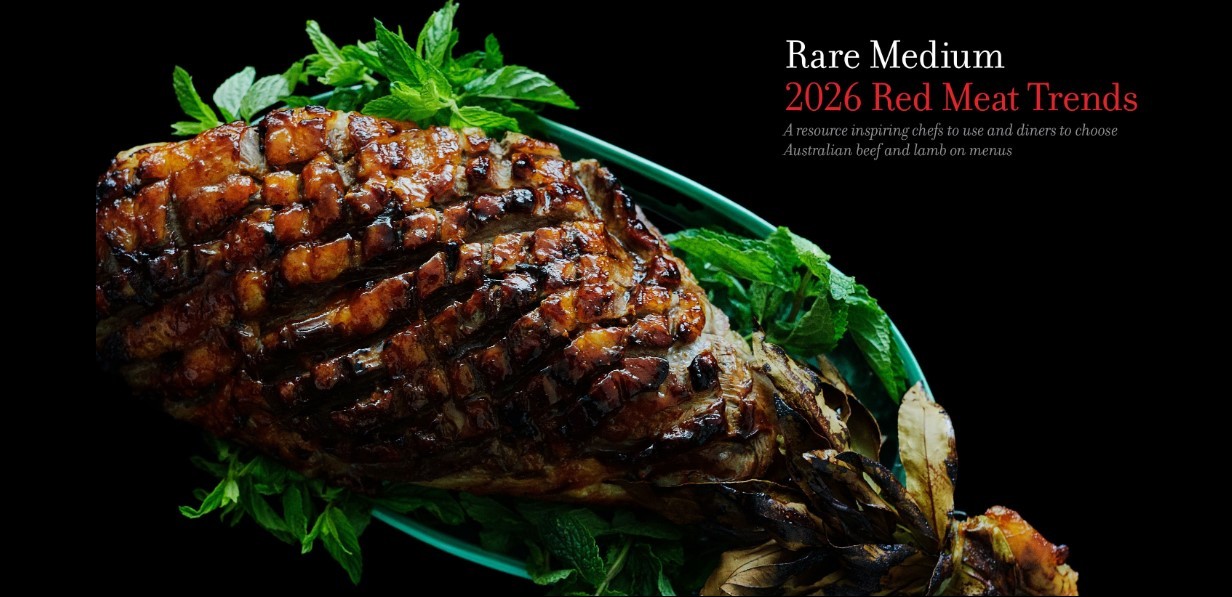
If there is one thing we know about Aussies, it’s that we have a massive appetite for discovery, especially when it involves a world-class piece of beef or lamb.
We’ve always been a nation of meat lovers, but lately, there’s a new energy in the air. It’s coming from our local chefs and home cooks who are rolling up their sleeves and pushing the boundaries.
With the mercury pushing into the high 30s and 40s across the region this week, we’re all feeling the heat and our livestock are no different. Check out our "boots-on-the-ground" guide to help you and your stock get through this flush of heat safely.
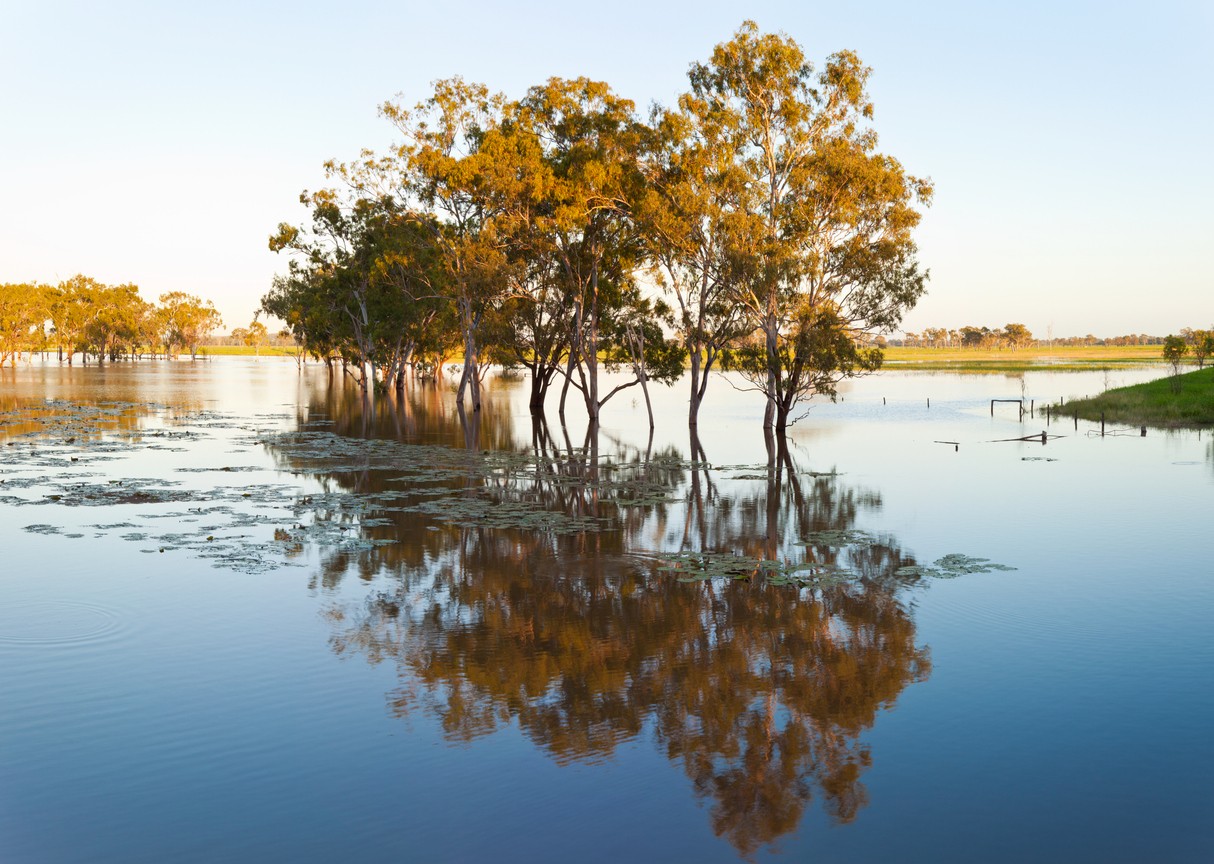
The recent flooding in North-West Queensland (late December 2025 – January 2026) is expected to have a multi-layered impact on livestock market prices, characterised by short-term supply tightening and long-term herd rebuilding pressures.
There is a specific kind of energy that takes over Tamworth when the Australian Equine and Livestock Events Centre (AELEC) fills to capacity. This January, that energy was driven by the next generation. Standing on the sidelines of the 2026 Angus Youth Roundup, I couldn’t help but reflect on how fortunate we are to have world-class events like this right here in our own backyard. I remember when Iwas younger attending events like this and how they left a lasting impact in my life today.
Australian beef sector is entering one of the strongest and most strategically important cycles we’ve seen in over a decade and that creates real opportunity for both producers looking to retire and those looking to expand in 2026
The next chapter of Australian beef is already taking shape and it’s being driven by data, chefs, and a new generation of consumers.
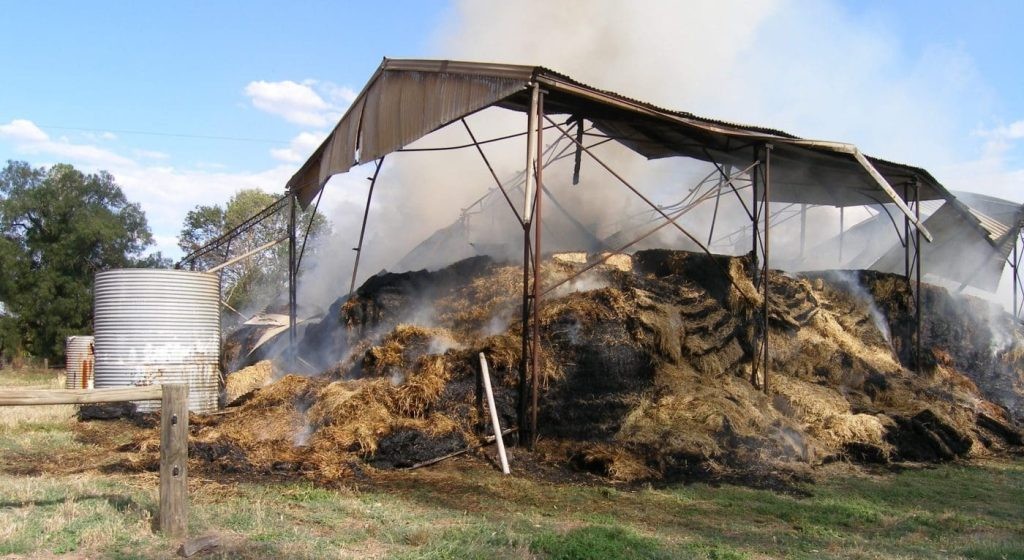
Recent rain and cooler conditions across our region have been welcomed by producers, but with warmer weather and rising temperatures on the horizon, now is the critical time to keep a close eye on stored hay.
For many beef producers, genetic improvement can feel like a slow and steady game played over decades. But behind the scenes, advances in reproductive technology are accelerating that progress at a pace we’ve never seen before, quietly reshaping what’s possible for commercial and seedstock businesses alike.
The dramatic collapse in livestock prices in October 2023 is still fresh in the minds of many producers. That steep fall left plenty of people asking the same question: could it happen again?
According to Simon Quilty’s latest report, the answer is complex but there’s good reason to believe the next decade will look very different.
In a world that often assumes success is born in big cities, the story of Richard Rains proves that regional Australia continues to shape some of the most influential business leaders in our industry.
Australia’s beef industry is watching closely and waiting as the United States moves towards implementing a new tariff structure that could have serious consequences for our export market.
As Australia steps up its commitment to national emissions targets, farmers are once again in the spotlight, not just as stewards of the land, but as key players in the country’s net zero future.
This November, the National Carbon Farming Conference & Expo in Albury will give producers the tools, insights and confidence to turn policy into practical, profitable action on their farms.
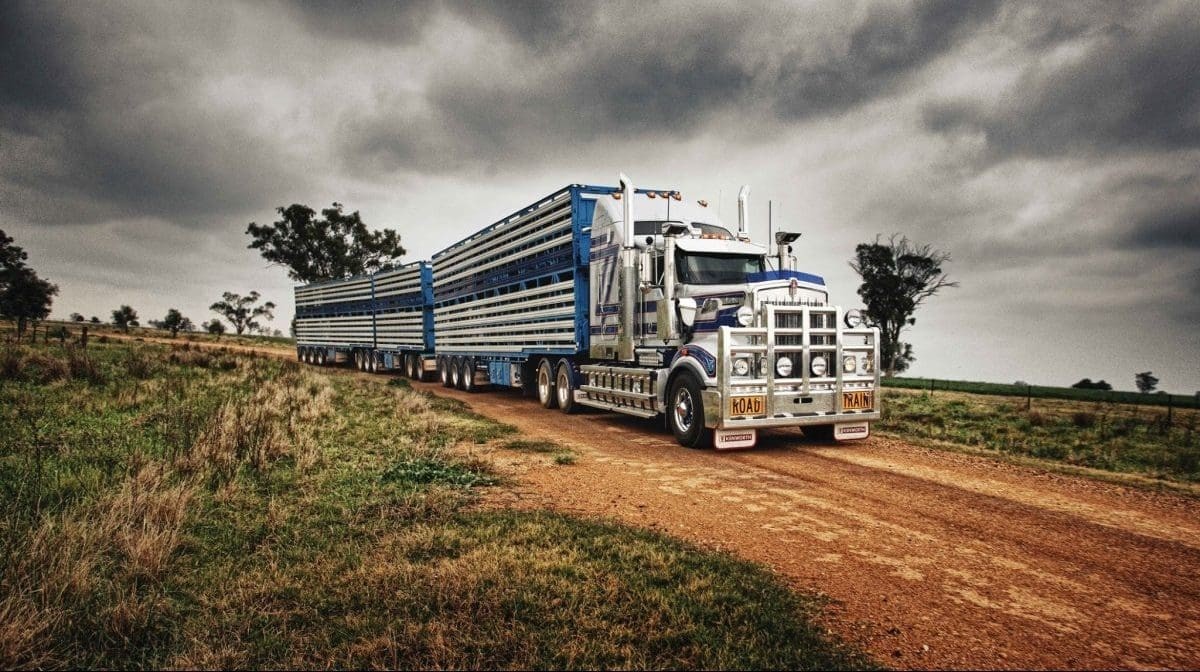
One of the biggest challenges facing the livestock transport sector – trucks running empty on return trips – is starting to find a solution through greater collaboration and smart technology.
The Reserve Bank of Australia (RBA) has reduced the official cash rate by 25 basis points to 3.6% in early August, marking a total drop of 75 basis points since the start of the year. The decision comes as inflation trends back towards the RBA’s target range of 2–3%, and labour market conditions show signs of easing.
Gina Rinehart’s recent purchase of the renowned Wirribilla property near Walcha isn’t just a headline-grabbing purchase - it could mark the beginning of a new era for regional New South Wales.
While the national rural property market enters a period of plateau after several years of unprecedented growth, some regions are proving their resilience and the New England stands out as one of them.
Young cattle producers with ambition, ability, and a passion for shaping the future of Australian agriculture are being encouraged to apply for Cattle Australia’s prestigious National Beef Leaders (NBL) program.
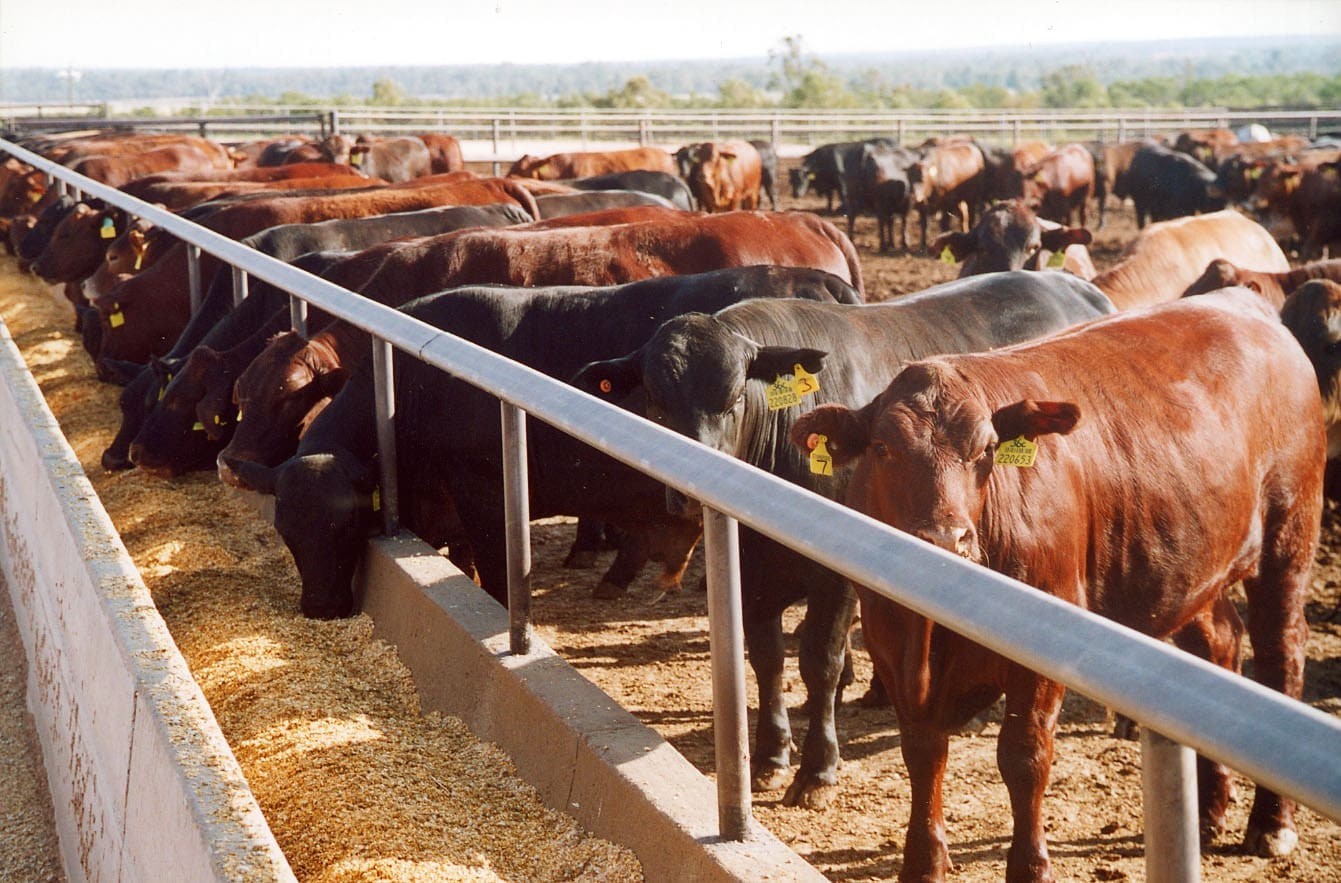
There’s been a noticeable shift across many NSW and QLD feedyards this year with heifers taking over the pens in domestic grainfed programs. While it’s not uncommon for supermarket chains like Woolworths and Coles to have a solid proportion of heifers in their programs, right now some yards are feeding nothing but females.
Global cattle markets have been on an upward trend throughout the first half of 2025 - a positive sign for producers after a few unpredictable years. But behind the scenes, geopolitical shifts, biosecurity threats, and global production declines are creating a complex landscape, especially for exporters.
Finally, a dose of common sense has made its way to Canberra. After months of pushback from farmers, small business owners, and industry leaders, the Federal Government has backed down on one of its most controversial tax proposals - the superannuation tax on unrealised gains.
At James Bradford Rural, we believe our industry’s strength lies in the hands and hearts of the people who built it, people like Bob Hart, whose century-long life was dedicated to progress, integrity, and community.
As winter brings its usual price fluctuations to southern markets, cattle producers across the country are being urged to look past short-term volatility and focus on forward planning. With supply in the South remaining tight, now is the moment to prepare your herd and your business for spring opportunities, not get caught in reactionary decision-making.
For the first time, Brazil has overtaken Australia as the largest supplier of beef to the United States, reflecting a sharp shift in global trade patterns driven by tightening U.S. cattle supplies and rising demand.
With bumper rainfall across the region this winter, pastures are thriving — but so too is the risk of bloat in cattle and sheep. As we move into spring, producers should stay vigilant and take proactive steps to protect their stock.
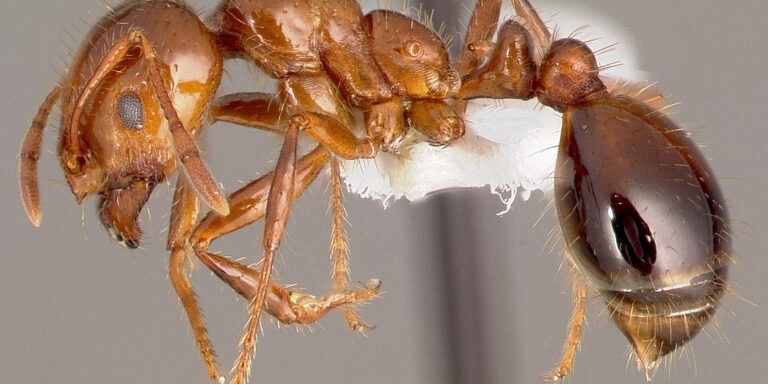
You may have recently seen in the media, the NSW Government has confirmed the detection and destruction of a red imported fire ant nest in Tweed Heads, prompting an urgent biosecurity response to prevent the pest from gaining a foothold in the state.
Australian beef exporters are set to benefit from a major shake-up in global meat trade dynamics, following a shock move by U.S President Donald Trump to impose steep new tariffs on Brazilian beef.
If you’ve been keeping an eye on global beef markets, you might have noticed a quiet but significant shift happening across the UK and it’s good news for Australian beef producers.
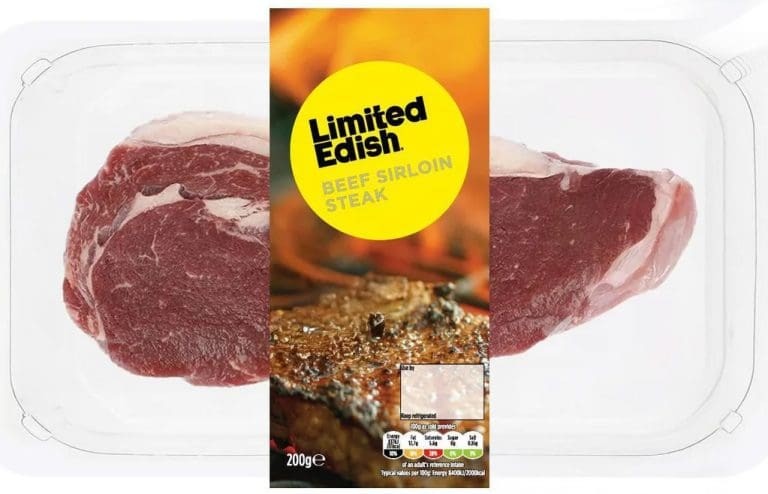
One of Britain’s biggest supermarket chains, Morrisons, has expanded its trial of Australian fresh beef across 40 of its major stores. For decades, Morrisons proudly stuck to a 100% British meat policy, so this move marks a real turning point in UK retail.
The numbers tell a story of opportunity, resilience, and global demand that’s showing no sign of slowing down.
In October alone, Australia exported 139,286 tonnes of beef, one of the highest months on record and more than 7% higher than the same time last year. Only July saw bigger numbers, when shipments topped a massive 150,000 tonnes.
Australia’s beef industry is riding a historic export wave. In August alone, chilled and frozen shipments reached 135,570 tonnes the second-highest monthly volume ever, following July’s record 150,000 tonnes. MLA now forecasts 1.5 million tonnes of beef exports in 2025, well above last year’s record of 1.34 million tonnes.
As temperatures swing and conditions shift, respiratory illness in cattle can spike costing producers dearly in lost weight gain, extra treatments, and even mortalities. Bovine Respiratory Disease (BRD) remains the feedlot industry’s most expensive health challenge, and the seasonal transition we’re experiencing now makes vigilance critical.
Cattle producers are being urged to remember that their duty of care under Chain of Responsibility (CoR) laws continues well beyond the farm boundary.
After nearly two decades of stringent biosecurity restrictions, Australia has officially lifted its ban on certain US beef imports. While the US has technically been able to export beef to Australia since 2019, a key concern, tracing cattle sourced from Canada or Mexico and processed in the US - rendered most American beef ineligible for import. That’s now changed.
The theft of a $100,000 tank of Wagyu cattle semen and the alleged fraudulent purchase of 114 cattle by a trusted employee highlights a serious vulnerability in agricultural business practices: internal trust and accountability.
Teys family has announced it will sell its remaining 50% stake in Teys Australia to long-time joint venture partner and global agribusiness giant, Cargill.
S. Kidman & Co has purchased the 7,000ha Jindabyne Station near Inverell, NSW, for $36 million—its first acquisition in over 20 years—as part of a strategic shift toward Wagyu-Angus beef production under the Kidman Premium brand.
A 90-day tariff pause starting May 14 offers the US partial re-entry into the Chinese beef market, but Australia remains in the driver’s seat due to better access and stable supply.
The National Farmers’ Federation has criticised election animal welfare policies from Labor and the Greens, claiming they were developed without consulting farmers and risk harming the agriculture sector.
Cattle trains are running again from Clermont in Central Queensland to Teys Beenleigh after several quiet years, with more services scheduled soon. Teys Australia is keen to use rail to help manage rising cattle numbers, stressing the need for reliable, scheduled transport.
Young bird sale - all birds hatched in 2024 Saturday 31st May 2025. Sale Commences at 9.30am Poultry Pavilion, Gunnedah Showgrounds
Australian beef, sheepmeat, and goatmeat will face a 10% tariff when exported to the US, as part of new measures announced by President Trump.
Cyclone Alfred's aftermath continues to disrupt NSW and Queensland, with ports closed, major roads flooded, and beef processing plants slowly resuming operations.
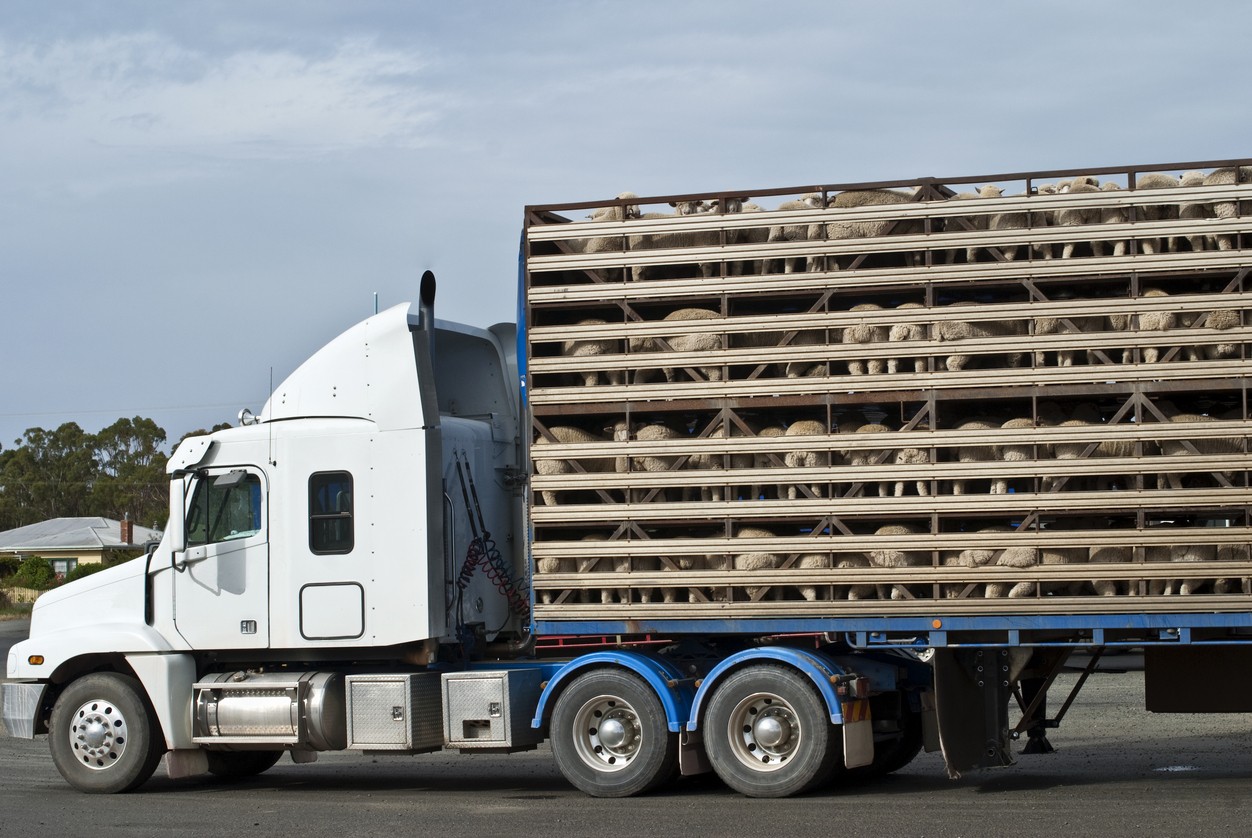
Livestock carriers are facing a surge in vigilante vandalism as animal rights activists target trucks with costly damage. With graffiti, punctured tyres, and destroyed equipment, these attacks are hitting the industry hard. Learn how to protect your business from growing threats and stay vigilant.
A Senate Inquiry has found that telcos failed to adequately support farm communities in staying safe and connected after the 3G shutdown.
© James Bradford Rural 2026 | Privacy Policy | Created by 2 Creative Media